Peucedanum, Genus, officinale, Species,
- Genus & species
Hog's fennel
Europe and western Asia (Britain and Mediterranean Europe east to the Caucasus; coastal marshes, grasslands, and damp meadows)
Overview
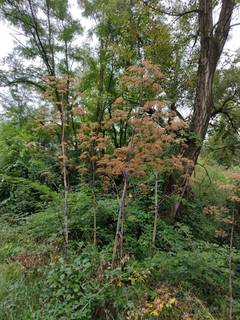
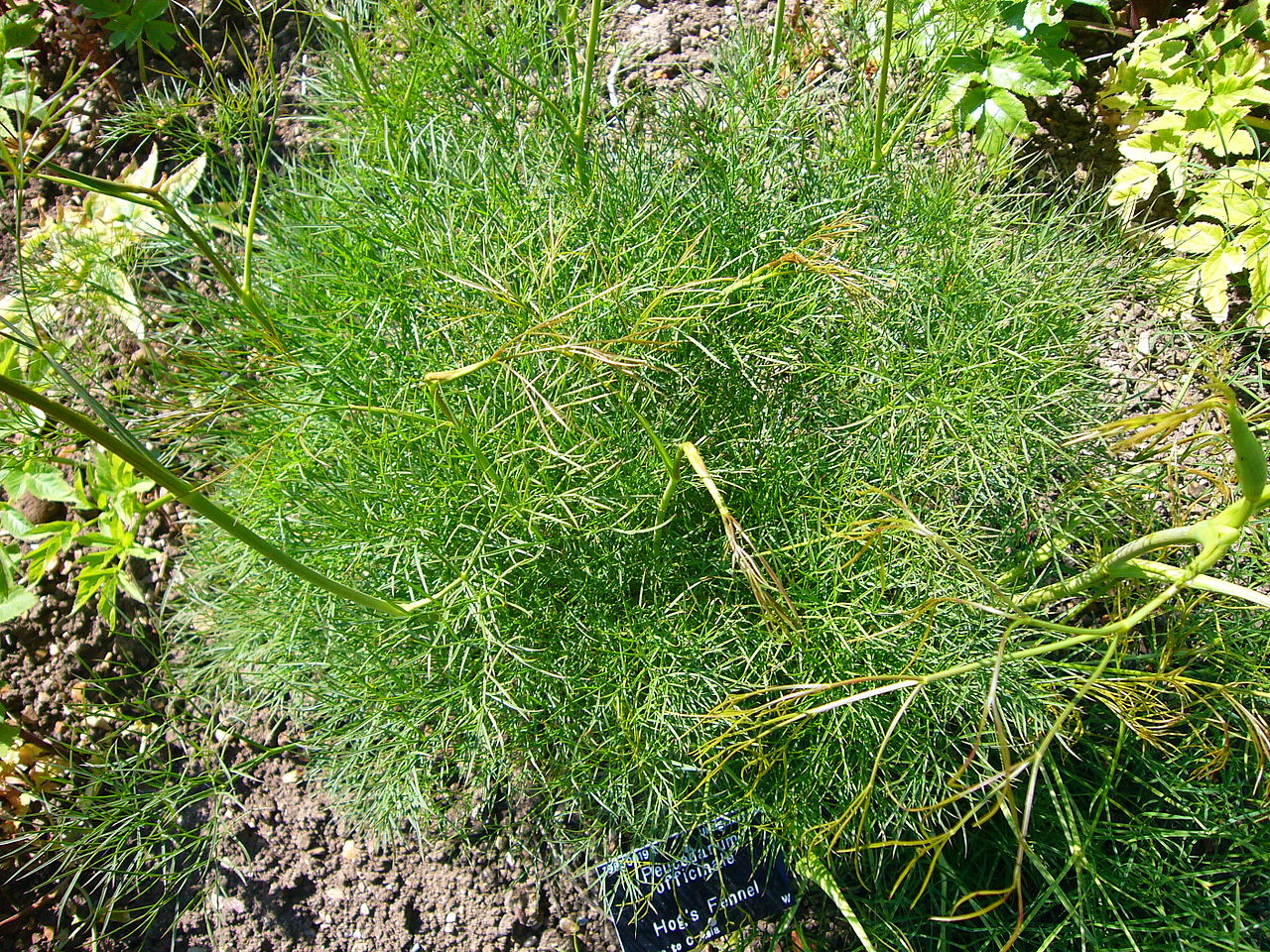
Peucedanum officinale is a deciduous perennial reaching 3–5 feet (0.9–1.5 m) tall with a spread of 2–3 feet (0.6–0.9 m) and an upright open airy habit with thread-like divided foliage. Native to Europe and western Asia, this member of the Apiaceae opens flat-topped compound umbels 3–6 inches (8–15 cm) across of tiny greenish-yellow flowers on slender branching stems from July through September. Alternate bipinnately to tripinnately compound leaves run 6–12 inches (15–30 cm) long and divide into thread-like segments 1–2 inches (2.5–5 cm) long, which creates a fennel-like foliage texture at close range and from a distance. Leaves run dark green in color. Growth rate runs moderate. Hardy to zone 5. The thread-like foliage supplies narrow textural contrast in mixed perennial borders where broader-leaved plants dominate. The species runs uncommon in North American commercial cultivation and more frequently encountered in European herb-garden and meadow-planting traditions where it has a longer history of garden use. The entire plant runs aromatic when foliage is bruised or cut.
Native Range
Peucedanum officinale is native to Europe and western Asia, ranging from Britain and Mediterranean Europe east through central Europe to the Caucasus. The species grows in coastal marshes, open grasslands, and damp meadow habitats across its native range. The coastal-marsh native ecology translates in garden cultivation to tolerance of clay soils and a preference for consistent moisture during the growing season.Suggested Uses
Planted in perennial borders, meadow gardens, or herb-garden compositions at 2–3 foot (0.6–0.9 m) spacing in zone-5-and-warmer gardens. The thread-like divided foliage creates narrow textural contrast against broader-leaved companion plants, which supplies the species' primary ornamental value across the growing season. Greenish-yellow compound umbels carry the bloom contribution from July through September. The species runs uncommon in commercial trade, which makes specimens harder to source than widely grown Apiaceae. The deep taproot limits transplanting options once plants establish. Hot dry exposed conditions cause foliage scorch, so such sites and positions requiring frequent transplanting are poor fits for the species.How to Identify
Appearance
Size & Dimensions
Height3' - 5'
Width/Spread2' - 3'
Bloom Information
Flat-topped compound umbels 3–6 inches (8–15 cm) across open in tiny greenish-yellow flowers on branching stems from July through September. Fresh bloom duration runs 4–6 weeks. Seed heads persist through autumn and hold structural form into the dormant-season garden.
Detailed Descriptions
Flower Description
Greenish-yellow; tiny in flat-topped compound umbels 3-6 inches across; July-SeptemberFoliage Description
Dark green; bipinnately to tripinnately compound; thread-like segments 1-2 inches; fennel-like texture; aromatic when bruisedGrowing Conditions
Sun Requirements
Requires 4-10 hours of direct sunlight daily
• Full Sun: 6+ hours of direct sunlight
• Partial Shade: 3-6 hours of direct sunlight
• Full Shade: Less than 3 hours of direct sunlight
Care & Maintenance
Care Guide
Full sun to partial shade in moist well-drained soil (pH 6.0–8.0) matches the species' cultivation needs. Hardy to zone 5 (−20°F / −29°C). The species tolerates a broad range of soils including clay and slightly alkaline conditions, which separates it from many drainage-fussy perennials. The thread-like divided foliage scorches in hot dry exposed conditions, so consistent soil moisture develops the cleanest foliage appearance across the summer growing season. The taproot runs deep and makes transplanting established plants difficult because root disturbance stalls regrowth for one or more growing seasons.Pruning
All stems are cut back in late autumn or early spring. Seed heads are left standing through autumn for structural interest or removed before seed set to control volunteer seedling emergence. No other pruning runs through the species' care cycle.Pruning Schedule
Prune: March
early spring