Pericallis, Genus, spp., Multiple species,
- Genus
- Multiple species
Macaronesia (Canary Islands, Madeira, Azores)
Overview
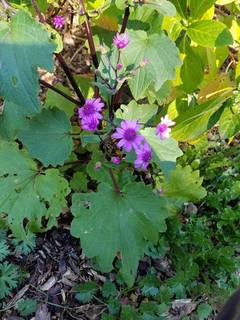
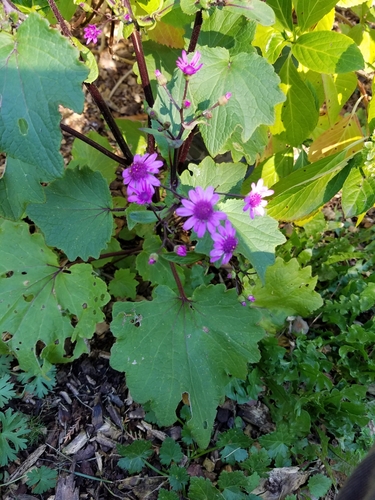
Pericallis is a genus of about 15 perennials and subshrubs in the daisy family, native to the laurel forests and rocky slopes of the Macaronesian islands, including the Canaries, Madeira, and the Azores. Plants form mounds of broad, often ivy-shaped or triangular leaves, frequently white-woolly beneath, 12-24 inches (30-60 cm) tall and wide, with some shrubby species reaching larger sizes. Clusters of daisy flower heads rise above the foliage from winter into spring, in purple, violet-blue, magenta, pink, red, and white, many with a contrasting darker or white ring around the central disk. The florist's cineraria, Pericallis × hybrida, is derived mainly from P. cruenta and P. lanata and is grown as a cool-season pot plant and bedding plant for its dense, brightly colored heads. Most species are tender and frost-sensitive, growing year-round only in mild, frost-free climates and treated as annuals or container plants elsewhere. The genus grows in part shade and moist, free-draining soil and declines in heat, dry soil, and hard frost alike. Plants are short-lived and often replaced after their main flush of bloom. Aphids and powdery mildew are common problems under glass.
Native Range
Pericallis is endemic to the Macaronesian islands of the eastern Atlantic, including the Canary Islands, Madeira, and the Azores. Species grow in laurel forest, on shaded cliffs, and on rocky slopes in mild, humid maritime climates.Suggested Uses
Pericallis is grown as a winter and spring pot plant, in cool-season bedding, and in shaded containers and window boxes for its bright daisy heads. In frost-free maritime gardens the shrubby species are used in mixed borders and on shaded banks.How to Identify
Appearance
Size & Dimensions
Height1' - 2'
Width/Spread1' - 2'
Bloom Information
Flowering runs mainly from late winter into spring, with greenhouse-grown cineraria timed for winter and early-spring sales. Dense clusters of daisy heads open over several weeks above the foliage. The flowers attract bees and other insects where plants grow outdoors in mild climates.
Detailed Descriptions
Flower Description
purple, blue, magenta, pink, red, or whiteFoliage Description
green, white-woolly beneathGrowing Conditions
Sun Requirements
Requires 2-6 hours of direct sunlight daily
• Full Sun: 6+ hours of direct sunlight
• Partial Shade: 3-6 hours of direct sunlight
• Full Shade: Less than 3 hours of direct sunlight
Care & Maintenance
Care Guide
Pericallis grows in part shade and cool, moist, free-draining soil rich in organic matter. The genus is tender and frost-sensitive, growing outdoors year-round only in mild, frost-free maritime climates and grown as a cool-season annual, pot plant, or bedding plant elsewhere. Plants need steady moisture and cool temperatures and decline in heat, dry air, and direct hot sun. Under glass they are kept around 45-60 F (7-16 C) for compact growth and lasting bloom. Aphids, whitefly, and powdery mildew are frequent problems in greenhouse culture. Most plants are short-lived and are replaced after their main bloom.Pruning
Remove spent flower heads to prolong the display and improve appearance. Cut back leggy stems on shrubby species after flowering to encourage denser growth. Bedding and pot plants are usually discarded once bloom finishes rather than pruned.Container Growing
Suitable for container growing
Minimum container size: 1 gallons