Image 1 of 15
1 / 15
Plant Reference
Cenchrus, Genus, alopecuroides, Species,
- Genus & species
Fountain grass
Overview
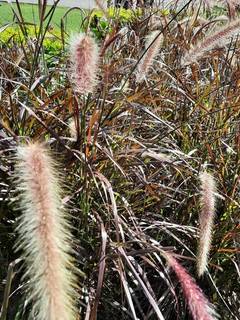
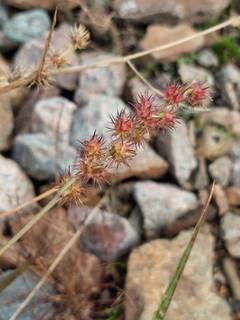
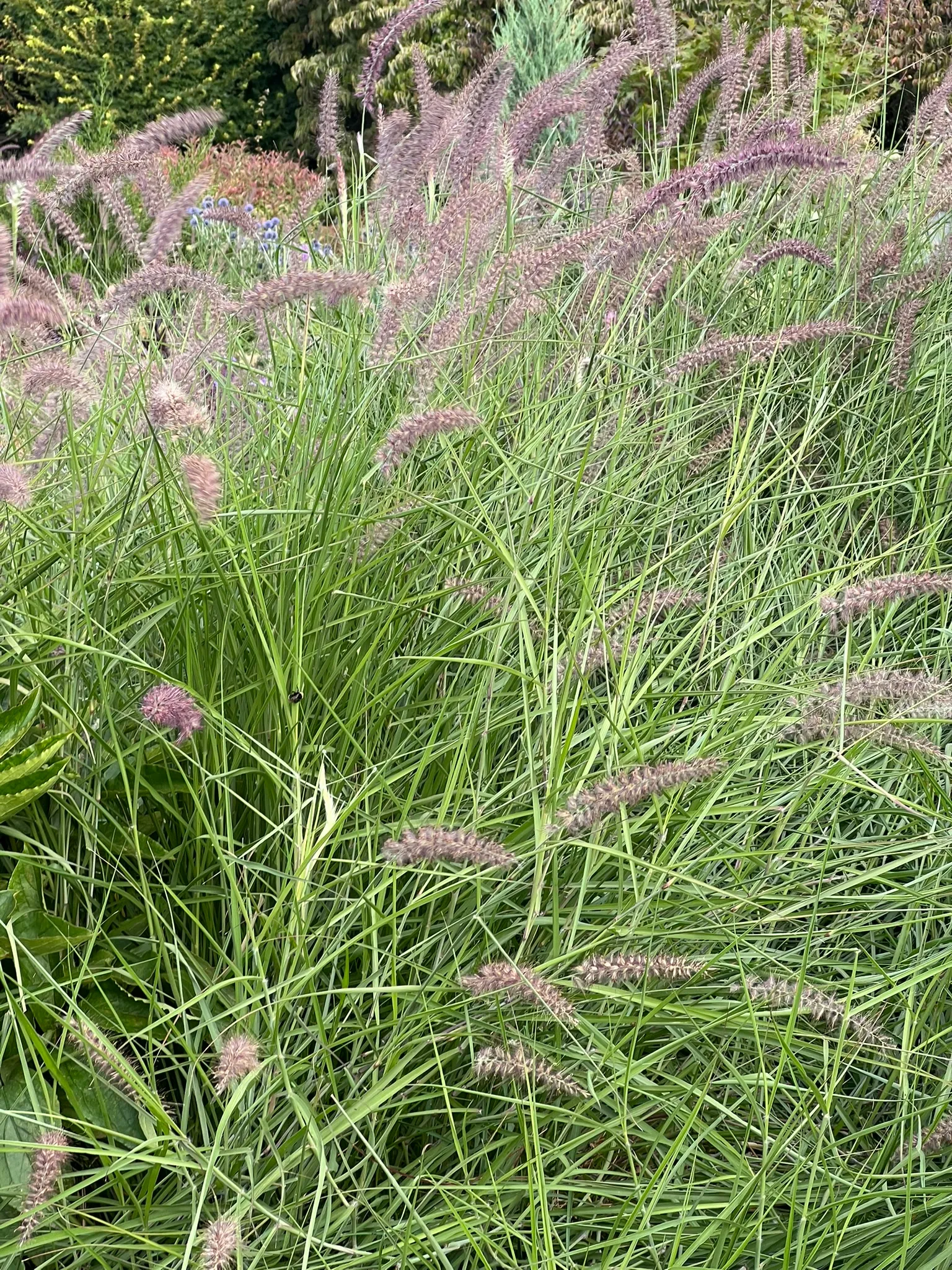
Cenchrus alopecuroides is a warm-season perennial grass forming a dense arching clump 24-36 inches (60-90 cm) tall in leaf and 36-48 inches (90-120 cm) tall in flower, spreading 24-40 inches (60-100 cm) wide. Leaf blades are 12-24 inches (30-60 cm) long and 0.2-0.5 inch (5-12 mm) wide, mid-green through summer, turning golden-tan in October and holding that color into January before weathering to gray-buff. Flower spikes are cylindrical bottlebrush panicles 3-8 inches (8-20 cm) long, built from bristles 0.5-1 inch (1.3-2.5 cm) long that open silvery-white to purple-bronze from July and darken through September. Spikes shatter and drop their bristles from November onward. Growth is slow to start, with shoots breaking dormancy in May in zones 5-6, some 4-6 weeks after cool-season grasses. Clumps split open at the center after 4-6 years. Seed sets freely, with self-sown seedlings appearing 3-10 feet (0.9-3 m) from the parent clump, and the species is recorded as naturalized in parts of the eastern United States. Wet snow and prolonged rain flatten the clump, which does not lift again until it is cut.
Native Range
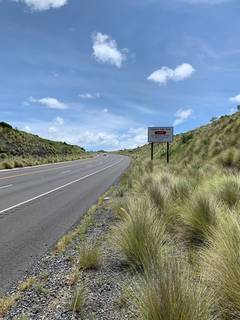
Native to eastern Asia and eastern Australia, across China, Japan, Korea, Taiwan, the Philippines, and the coastal ranges of Queensland and New South Wales. Grows in open grassland, on stream banks, at forest margins, and on disturbed roadsides from sea level to 6,600 feet (2,000 m). Naturalized in parts of the eastern United States following garden planting.Suggested Uses
Planted at 24-36 inch (60-90 cm) spacing in mass plantings, mixed borders, and prairie-style schemes among late perennials, and in containers of 7 gallons (26 L) or larger. Spikes are cut for fresh and dried arrangements once the bristles have opened but before they shatter. Self-seeding limits its use near natural grassland, and low-seeding cultivars are grown where seed spread is a concern.How to Identify
Appearance
Size & Dimensions
Height2' - 4'
Width/Spread2' - 3'4"
Bloom Information
Flower spikes rise from July and continue into October in zones 5-9, opening 3-4 weeks earlier in zones 8-9. Each spike holds its bristles 8-12 weeks before shattering from November. Peak display runs 6-8 weeks from August into September. Cool wet summers below 70F (21C) delay flowering by 2-3 weeks and cut spike numbers.
Detailed Descriptions
Flower Description
Silvery-white to purple-bronzeFoliage Description
Mid-green, golden-tan in autumnGrowing Conditions
Sun Requirements
Requires 6-10 hours of direct sunlight daily
• Full Sun: 6+ hours of direct sunlight
• Partial Shade: 3-6 hours of direct sunlight
• Full Shade: Less than 3 hours of direct sunlight
Care & Maintenance
Care Guide
Water weekly through the first season; established clumps hold through 4-6 weeks of drought with some leaf tip browning. Growth takes 6 or more hours of direct sun, and clumps in shade flop outward and carry half the spike count. Soil from pH 5.5 to 7.5 in loam, clay, or sand is tolerated, with no fertilizer needed on average ground, since nitrogen produces soft growth that collapses. Clumps are lifted and divided in April or May every 4-6 years as the center dies out, with divisions replanted at 24-30 inch (60-75 cm) spacing. Seedlings appear 3-10 feet (0.9-3 m) from the parent and are hoed out in spring where spread is unwanted. Rust marks the foliage orange in humid summers without affecting the following season.Pruning
Old foliage is cut to 3-4 inches (8-10 cm) above ground between late February and early April, before new shoots emerge; cutting into emerging growth leaves brown tips through the season. Growth left standing over winter holds the golden-tan color and shelters the crown, while material cut in autumn leaves bare ground until May. Blades are not trimmed during the growing season, since cut leaves do not regrow from the tip.Pruning Schedule
Prune: February–March
winterearly spring
Container Growing
Suitable for container growing
Minimum container size: 7 gallons