Pelazoneuron, Genus, spp., Multiple species,
- Genus
- Multiple species
Tropical and warm-temperate Americas
Overview
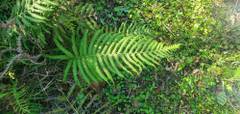
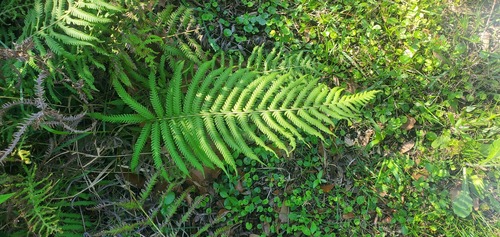
Pelazoneuron is a genus of maiden ferns in the family Thelypteridaceae, segregated from the broader Thelypteris complex and native largely to the warm-temperate and tropical Americas. Plants grow from creeping to short-creeping rhizomes and produce arching, deciduous fronds 12-48 inches (30-120 cm) long. The fronds are once-pinnate with deeply lobed segments, yellow-green to medium green, and carry short hairs along the veins and central stalk. Veins are free and forked, and the lower pinnae are often reduced and angled downward. As in other members of the family, plants reproduce by spores borne in round sori on the undersides of fertile pinnae rather than by flowers or seed. Species such as P. kunthii, the widespread southern maiden fern, colonize stream banks, wet woodlands, limestone seeps, and disturbed moist ground, spreading steadily by rhizome to form colonies. The genus favors steady moisture and tolerates seasonal flooding but browns quickly in drought. Fronds die back after frost in the cooler parts of the range and re-emerge in spring. Because the rhizomes run, plantings can spread well beyond their original footprint in damp soil.
Native Range
Pelazoneuron is native to the Americas, ranging across the southeastern United States, Mexico, Central America, the Caribbean, and parts of South America. Species grow in wet woodlands, along streams, and on moist limestone in warm-temperate to tropical climates.Suggested Uses
Pelazoneuron is used in rain gardens, bog margins, pond edges, and shaded moist borders where its spreading habit fills ground. It suits naturalized wetland plantings in warm-temperate and subtropical gardens.How to Identify
Appearance
Size & Dimensions
Height1' - 4'
Width/Spread2' - 4'
Colors
Foliage Colors
Fall Foliage Colors
Bloom Information
Pelazoneuron produces no flowers; like other ferns it reproduces by spores. Round sori develop on the undersides of fertile fronds through summer and autumn and release spores when mature. New fronds unfurl from the rhizome in spring.
Detailed Descriptions
Foliage Description
yellow-green to medium greenGrowing Conditions
Sun Requirements
Tolerates up to 4 hours of direct sunlight daily
• Full Sun: 6+ hours of direct sunlight
• Partial Shade: 3-6 hours of direct sunlight
• Full Shade: Less than 3 hours of direct sunlight
Water & Climate
Water Needs
Care & Maintenance
Care Guide
Pelazoneuron grows in part shade to full shade in consistently moist to wet, humus-rich soil. The genus tolerates seasonal flooding and boggy ground but browns and dies back where soil dries out. Plants spread by creeping rhizomes and can form broad colonies, so enclosed beds or damp margins suit them. Hardiness varies across the genus, with warm-temperate species tolerating light frost and tropical species needing frost-free conditions. Few pests trouble the foliage. Frost-killed fronds can be cut back in late autumn or late winter.Pruning
Cut spent or frost-damaged fronds to the ground in late winter before new growth unfurls. Remove tattered fronds through the season as needed. Lift and divide spreading rhizomes to limit the colony.Container Growing
Suitable for container growing
Minimum container size: 3 gallons