Image 1 of 9
1 / 9
Plant Reference
Paulownia, Genus, tomentosa, Species,
- Genus & species
empress tree
Central and western China in Hubei, Sichuan, and Yunnan provinces; mountain forests and forest margins at 1,600-5,900 feet (500-1,800 m) elevation; naturalized and listed as invasive throughout the eastern and southeastern United States, parts of Japan, and parts of Europe
Overview
Paulownia tomentosa is a fast-growing deciduous tree in the family Paulowniaceae reaching 30–50 feet (9–15 m) tall and 30–40 feet (9–12 m) wide with a broad rounded to irregular crown and coarse open branching. Growth is rapid at 24–48 inches (61–122 cm) per year under favorable conditions, and coppiced or juvenile stems can reach 8–15 feet (2.4–4.6 m) in a single season. Leaves are opposite, simple, and broadly ovate to heart-shaped, 6–12 inches (15–30 cm) long on mature trees and up to 24 inches (61 cm) on coppiced juvenile growth, and are densely pubescent on both surfaces. The inflorescence is the feature that carried the species into Western cultivation: terminal panicles 8–12 inches (20–30 cm) long of tubular pale violet to lavender flowers, each 2 inches (5 cm) long and 1.5 inches (4 cm) across, open on the bare branches in April and May before leaf emergence, and the flowers carry a sweet vanilla-like scent. Flower buds form the previous summer and overwinter in conspicuous brown velvety clusters on the bare branches, but bud cold-hardiness is limited to about -10°F (-23°C), so bloom is unreliable in USDA zones 5 and colder where winter low temperatures frequently fall below that threshold. Woody ovoid seed capsules 1–1.5 inches (2.5–4 cm) long split open in fall and release several thousand tiny winged seeds per capsule, and a mature tree can release one to two million seeds per year. Limitation: P. tomentosa is listed as invasive across much of the eastern and southeastern United States including Pennsylvania, New Jersey, Maryland, Virginia, West Virginia, Tennessee, Kentucky, North Carolina, South Carolina, and Georgia, where bird-dispersed and wind-dispersed seeds establish in disturbed ground, roadsides, clear-cuts, riparian corridors, and forest margins and displace native vegetation, and planting is discouraged under state invasive plant programs across that region. The wood is brittle and fails in ice storms and high winds, and the seed capsules, large fallen leaves, and dropped flowers create heavy litter throughout the growing season.
Native Range
Native to central and western China in Hubei, Sichuan, and Yunnan provinces, growing in mountain forests and forest margins at 1,600–5,900 feet (500–1,800 m) elevation. Widely naturalized from cultivated stock across the eastern and southeastern United States, parts of Japan, and parts of Europe, where it is listed as invasive in many state and regional invasive plant programs and colonizes disturbed ground, roadsides, clear-cuts, and forest margins.Suggested Uses
Planted as a specimen tree in large open landscapes where space allows for the 30–50 foot (9–15 m) mature size and year-round litter management, and as a coppiced foliage plant in large mixed borders where annual or biennial cutting produces oversized 24-inch (61 cm) leaves on single-season stems. Planting is discouraged under state invasive plant programs across Pennsylvania, New Jersey, Maryland, Virginia, West Virginia, Tennessee, Kentucky, North Carolina, South Carolina, Georgia, and other eastern and southeastern states where naturalized populations have established in disturbed ground and forest margins. Sites near buildings, parking areas, and overhead power lines are unsuitable because the brittle wood fails in ice storms and high winds, and sites near natural areas, forest margins, and riparian corridors are unsuitable because wind-dispersed and bird-dispersed seeds escape into surrounding vegetation.How to Identify
Appearance
Size & Dimensions
Height30' - 50'
Width/Spread30' - 40'
Bloom Information
Tubular pale violet to lavender flowers 2 inches (5 cm) long in terminal panicles 8–12 inches (20–30 cm) long open on the bare branches in April and May before leaf emergence, lasting about 2–3 weeks. The flowers carry a sweet vanilla-like scent and draw bees, butterflies, and hummingbirds. Flower buds form the previous summer and overwinter in conspicuous brown velvety clusters on the bare branches, but the buds are killed at approximately -10°F (-23°C), so bloom is unreliable in USDA zones 5 and colder where winter minimum temperatures regularly fall below that threshold.
Detailed Descriptions
Flower Description
pale violet to lavender; tubular flowers 2 inches (5 cm) long and 1.5 inches (4 cm) across in terminal panicles 8-12 inches (20-30 cm) long, opening on bare branches before leaf emergence; fragrant with a vanilla-like scentFoliage Description
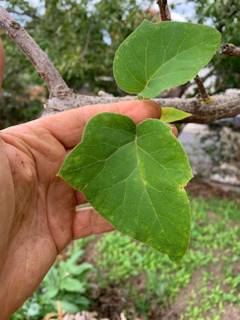
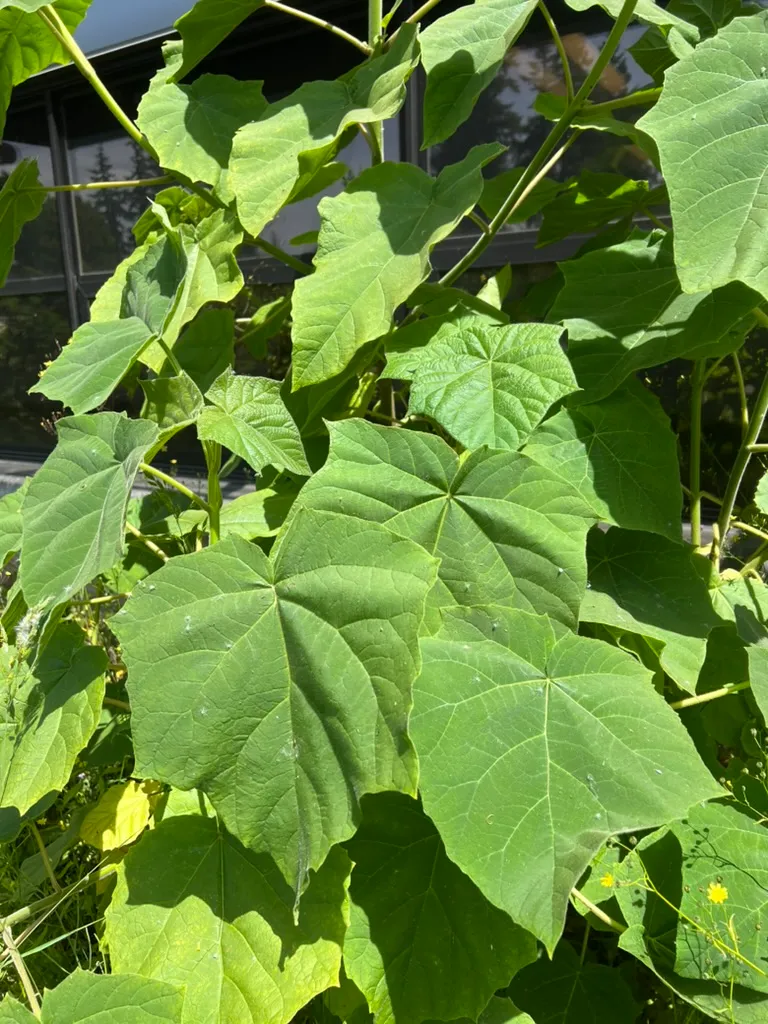
medium green; opposite, simple, broadly ovate to heart-shaped, 6-12 inches (15-30 cm) long on mature trees and up to 24 inches (61 cm) on coppiced juvenile growth; densely pubescent on both surfacesGrowing Conditions
Sun Requirements
Requires 6-12 hours of direct sunlight daily
• Full Sun: 6+ hours of direct sunlight
• Partial Shade: 3-6 hours of direct sunlight
• Full Shade: Less than 3 hours of direct sunlight
Care & Maintenance
Care Guide
Site in full sun with 6–12 hours of direct sun per day in well-drained soil with a pH of 5.5–8.0. The species tolerates loam, clay, sand, and chalk, is drought-tolerant once established, and grows rapidly in urban positions with compacted soil and air pollution. Cleanup of fallen flowers, leaves, and seed capsules is a season-long task because the litter volume is high across a large mature canopy. The species is listed as invasive across much of the eastern and southeastern United States; removal of volunteer seedlings from the surrounding landscape is a continuing maintenance task because a mature tree releases one to two million seeds per year. Hardy in USDA zones 5–9, with reliable flower bud survival only in zones 6 and warmer. No significant pest or disease problems affect the species in cultivation.Pruning
Pruning is done in late winter (January and February) while the tree is dormant. Dead, damaged, and crossing branches are removed to reduce wind and ice failure of the brittle wood, and crown thinning every 3–5 years reduces wind resistance and breakage risk. Coppicing — cutting the trunk to 6–12 inches (15–30 cm) above ground in late winter every year or every two years — produces vigorous single-stemmed regrowth with leaves up to 24 inches (61 cm) across but eliminates flowering for that season and is used where the coppiced foliage effect is the reason for growing the plant.Pruning Schedule
Prune: January–February
winter