Patersonia, Genus, sericea, Species,
- Genus & species
silky purple flag
Overview
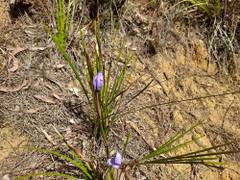
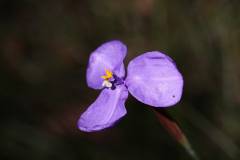
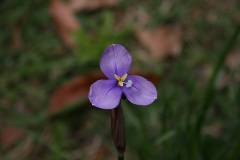
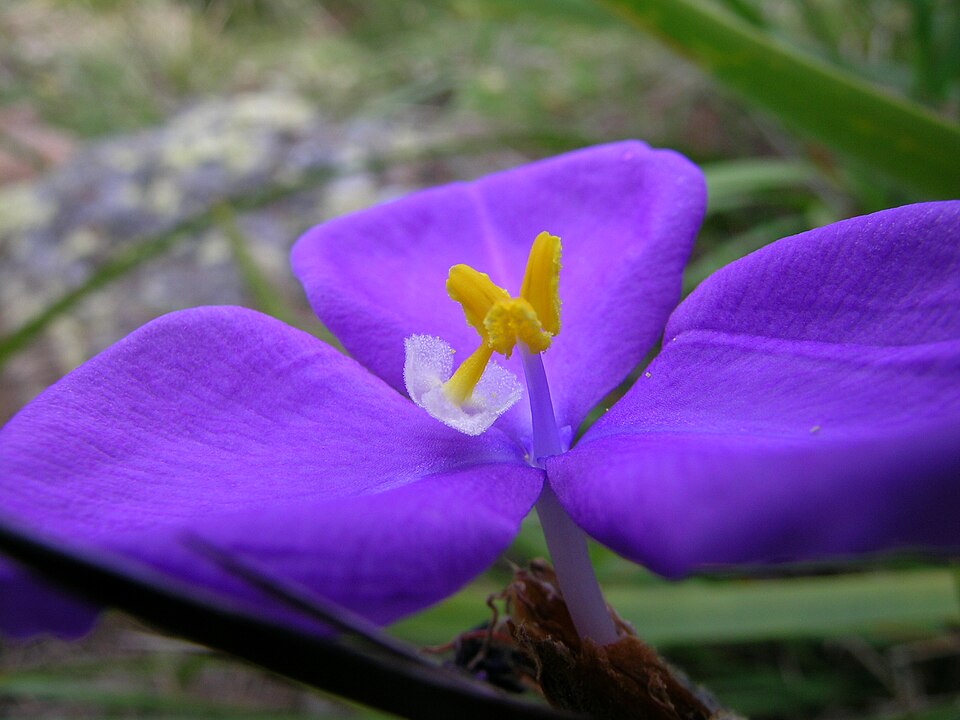
Patersonia sericea is a tufted, evergreen, iris-like perennial growing 6-18 inches (15-45 cm) tall, forming clumps of narrow, grass-like leaves. The flat, sword-shaped leaves are 4-12 inches (10-30 cm) long and grey-green, covered in silky hairs that give the species its name. Violet to purple flowers, each with three broad spreading outer petals and three smaller inner segments, are 1-1.5 inches (2.5-4 cm) across and held on short hairy stalks among the leaves. Each flower lasts only a single day, opening in the morning and collapsing by afternoon, but plants produce a succession of flowers over several weeks in spring and early summer. Brown papery bracts enclose the developing buds. Growth is slow, and clumps expand gradually from a short rhizome. The leaves are tough and fibrous. Flowering is concentrated in a short seasonal window, and the plant is inconspicuous when not in bloom.
Native Range
Native to eastern Australia, from Queensland through New South Wales to Victoria and Tasmania. Grows in heathland, dry sclerophyll forest, and woodland on sandy, well-drained, low-nutrient soils, often in exposed sunny positions.Suggested Uses
Grown in native gardens, rockeries, and grassland or heath-style plantings, spaced 12-18 inches (30-45 cm) apart. Used for low clumping structure among grasses and small shrubs in sunny, well-drained beds. The brief daily flowers and slow growth suit naturalistic rather than formal plantings.How to Identify
Appearance
Size & Dimensions
Height6" - 1'6"
Width/Spread8" - 1'4"
Bloom Information
Detailed Descriptions
Flower Description
violet to purpleFoliage Description
grey-greenGrowing Conditions
Sun Requirements
Requires 5-9 hours of direct sunlight daily
• Full Sun: 6+ hours of direct sunlight
• Partial Shade: 3-6 hours of direct sunlight
• Full Shade: Less than 3 hours of direct sunlight
Care & Maintenance
Care Guide
Grows in full sun to part shade in sharply drained sandy or gravelly soils of low fertility. Established clumps tolerate extended dry periods and need little water. High-phosphorus fertilisers damage the roots, as with many Australian heath plants. Crown rot develops in wet, heavy, or poorly drained soils. Plants are long-lived once established but slow to recover if disturbed. Division is difficult, and plants are usually raised from seed.Pruning
Spent flowering stems and old brown bracts can be removed after blooming to keep the clump tidy. Dead outer leaves can be trimmed at the base in late winter. No hard pruning is required, as the plant reshoots from the rhizome.Pruning Schedule
Prune: December–January
summer
Container Growing
Suitable for container growing
Minimum container size: 3 gallons