Image 1 of 28
1 / 28
Plant Reference
Parrotia, Genus, persica, Species,
- Genus & species
Persian parrotia, ironwood
Alborz Mountain range of northern Iran and the southern and southwestern shores of the Caspian Sea; mixed deciduous forests; a monotypic genus (sole species)
Overview
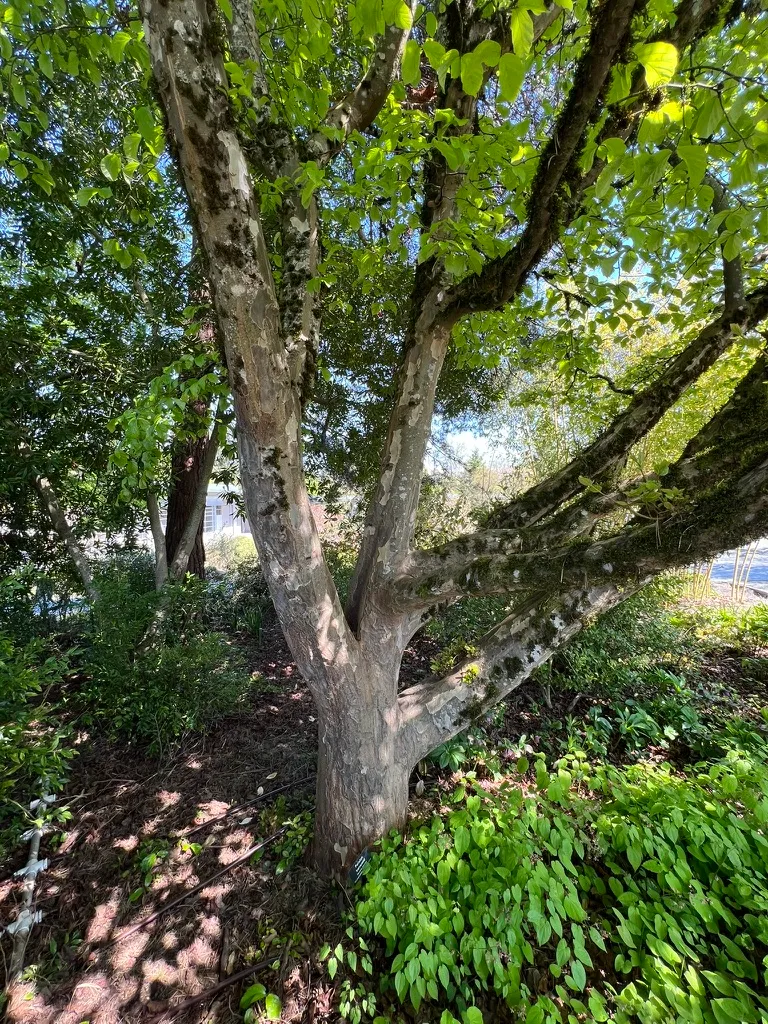
Parrotia persica is Persian ironwood (Persian parrotia), a spreading deciduous tree growing 20-40 feet (6-12 m) tall and 15-30 feet (4.5-9 m) wide. Glossy dark green oval leaves 2-4 inches (5-10 cm) with wavy margins — emerging with reddish-purple tints in spring. Turns yellow, orange, red, and burgundy simultaneously in fall. Tiny petal-less flowers (clusters of dark red stamens) 0.5 inch (1.3 cm) on bare branches in January-March. Exfoliating bark on mature trunks peels in patches to reveal cream, green, gray, and cinnamon — resembling Platanus bark. In Hamamelidaceae. Native to northern Iran (Alborz Mountains). A monotypic genus. Slow-growing — the primary limitation for gardeners wanting quick results. Often multi-stemmed and spreading wider than tall. No significant disease or pest problems. Drought-tolerant once established. Deer-resistant. Non-toxic. Zones 4-8. Full sun to partial shade. Growth rate is slow.
Native Range
Native to the Alborz Mountain range of northern Iran and the shores of the Caspian Sea. Found in mixed deciduous forests. A monotypic genus.Suggested Uses
Grown as a specimen tree in residential gardens and parks spaced 15-30 feet (4.5-9 m). Exfoliating bark. Multicolor fall foliage. No significant pests. Slow-growing. Deer-resistant. Non-toxic. Zones 4-8.How to Identify
Appearance
Size & Dimensions
Height20' - 40'
Width/Spread15' - 30'
Bloom Information
Late winter (January-March). Tiny clusters of dark red stamens without petals, 0.5 inch (1.3 cm), on bare branches. 6 weeks. Subtle — visible at close range. Bee-visited on warm winter days.
Detailed Descriptions
Flower Description
Tiny clusters of dark red stamens without petals, 0.5 inch (1.3 cm) across, on bare branches in January-MarchFoliage Description
Glossy dark green, oval with wavy irregular-toothed margins, 2-4 inches (5-10 cm) long; emerging with reddish-purple tints in spring; turns yellow, orange, red, and burgundy simultaneously in fallGrowing Conditions
Sun Requirements
Requires 4-10 hours of direct sunlight daily
• Full Sun: 6+ hours of direct sunlight
• Partial Shade: 3-6 hours of direct sunlight
• Full Shade: Less than 3 hours of direct sunlight
Care & Maintenance
Care Guide
Full sun to partial shade (4-10 hours — full sun for vivid fall color). Well-drained soil pH 5.5-7.5 — tolerates clay. Drought-tolerant once established. No significant pests or diseases. Slow-growing. Prune in late winter (February-March) if needed. Deer-resistant. Non-toxic. Zones 4-8.Pruning
Prune in late winter (February-March) if shaping is needed. Can be trained as a single-trunk tree or allowed to develop as a multi-stemmed spreading form. Remove dead or crossing branches. The exfoliating bark is a feature — do not strip. Minimal pruning needed.Pruning Schedule
Prune: February–March
early spring