Parnassia, Genus, spp., Multiple species,
- Genus
- Multiple species
Grass-of-Parnassus
Northern Hemisphere cool temperate and arctic regions
Overview
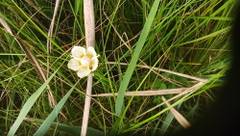
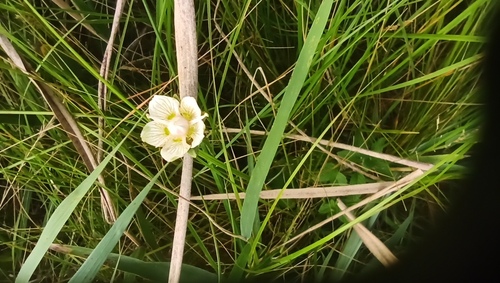
Parnassia is a genus of about fifty perennial herbs in the family Celastraceae, known as grass-of-Parnassus, found in wet meadows, bogs, fens, and stream sides across cool temperate and arctic regions of the Northern Hemisphere. Despite the common name, the plants are not grasses. Each forms a basal rosette of long-stalked, heart-shaped to oval leaves 0.4 to 2 inches (1 to 5 cm) long. Slender flowering stems 4 to 12 inches (10 to 30 cm) tall, usually bearing a single clasping leaf, carry one upward-facing flower each. The flowers are 0.5 to 1.2 inches (1.5 to 3 cm) across, with five white petals marked by slender green or yellow veins and a ring of fringed, gland-tipped staminodes between the fertile stamens that draw pollinating insects. Flowering runs from mid summer into autumn. A four-parted capsule of many small seeds follows. Parnassia grows in full sun to part shade on constantly moist to wet, neutral to alkaline soils and does not tolerate drying out. Plants are slow to establish and are sensitive to disturbance once settled. The need for permanently damp ground limits cultivation to bog gardens, pond margins, and wet meadow plantings.
Native Range
Parnassia is native across the cool temperate and arctic Northern Hemisphere, including North America, Europe, and Asia, reaching into mountain ranges farther south. Plants grow in wet meadows, fens, bogs, seeps, and on stream banks on constantly moist soils.Suggested Uses
Parnassia is grown in bog gardens, at pond and stream margins, and in damp wildflower meadows. The late-season white flowers extend bloom into autumn in wet ground where many plants will not grow. It suits naturalistic and conservation plantings on permanently moist soil.How to Identify
Appearance
Size & Dimensions
Height4" - 1'
Width/Spread4" - 8"
Bloom Information
Flowering occurs from mid summer into autumn, roughly July to September, with one flower per stem opening over a long season. The veined white flowers and gland-tipped staminodes draw flies and small bees. Four-parted seed capsules follow and ripen before winter.
Detailed Descriptions
Flower Description
white with green veinsFoliage Description
greenGrowing Conditions
Sun Requirements
Requires 4-10 hours of direct sunlight daily
• Full Sun: 6+ hours of direct sunlight
• Partial Shade: 3-6 hours of direct sunlight
• Full Shade: Less than 3 hours of direct sunlight
Care & Maintenance
Care Guide
Parnassia grows in full sun to part shade on constantly moist to wet, neutral to alkaline soil and fails where the ground dries out. Pond margins, bog beds, and wet meadows give the steady moisture it needs. Plants establish slowly from seed sown fresh and are sensitive to disturbance once settled, so they are left in place. Cool conditions suit the genus, and most species are fully frost-hardy. Competition from vigorous marginal plants can crowd out the low rosettes, so open, damp ground is kept around them.Pruning
No pruning is required for these low herbaceous plants. Spent flower stems and old leaves can be cleared in late autumn after seed has ripened. Removing seed heads before they shed limits self-sowing where it is not wanted.Container Growing
Suitable for container growing
Minimum container size: 2 gallons