Ozothamnus, Genus, turbinatus, Species,
- Genus & species
coast everlasting
Overview
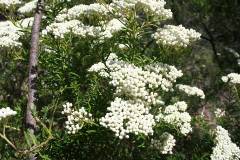
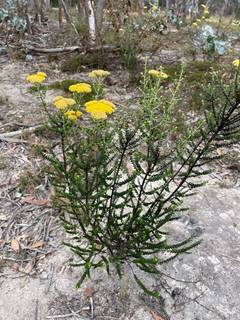
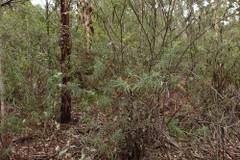
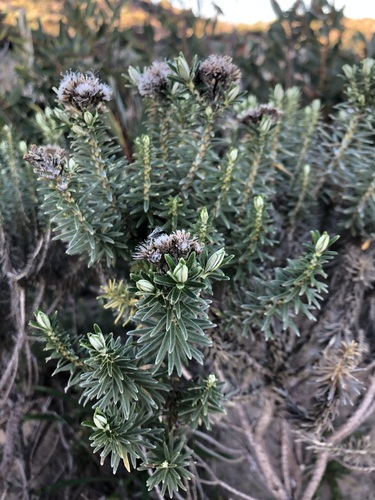
Ozothamnus turbinatus is an evergreen coastal shrub 3-6 feet (1-2 m) tall and 3-5 feet (1-1.5 m) wide, with an erect, densely branched habit. The small leaves are 0.2-0.4 inch (5-10 mm) long, grey-green, narrow with inrolled margins, and somewhat sticky and aromatic. In spring and summer the branch tips carry dense flat-topped clusters of many tiny flower heads, each surrounded by white to cream papery bracts that hold their form as they dry, giving the everlasting effect. O. turbinatus grows on coastal dunes, cliffs, and headlands in southern Australia, tolerating salt-laden wind and sandy, low-nutrient soils. Plants are relatively short-lived and tend to become woody and open at the base with age. Sharp drainage and full sun are needed, as the shrub declines in heavy, moist soils or shade.
Native Range
Ozothamnus turbinatus is native to coastal southern Australia, occurring in Victoria, South Australia, Tasmania, and southern New South Wales. It grows on dunes, cliffs, and headlands close to the sea.Suggested Uses
O. turbinatus is grown in coastal, native, and low-water gardens, and as an informal screen or dune-stabilising shrub, spaced 3-4 feet (0.9-1.2 m) apart. The dried flower clusters are also used in everlasting arrangements.How to Identify
Appearance
Size & Dimensions
Height3' - 6'
Width/Spread3' - 5'
Colors
Bloom Information
Detailed Descriptions
Flower Description
white to creamFoliage Description
grey-greenGrowing Conditions
Sun Requirements
Requires 6-10 hours of direct sunlight daily
• Full Sun: 6+ hours of direct sunlight
• Partial Shade: 3-6 hours of direct sunlight
• Full Shade: Less than 3 hours of direct sunlight
Care & Maintenance
Care Guide
O. turbinatus grows in full sun in sandy, sharply drained soils and tolerates coastal exposure, salt wind, and dry periods once established. Watering through the first growing season supports establishment, after which little extra water is needed. It withstands light frost in USDA zones 9-10. Heavy, wet soils and shade shorten its life and open up the habit. Plants are relatively short-lived and may be replaced every several years.Pruning
Light pruning after flowering, cutting back the spent flowering stems, slows the tendency to become woody and leggy. O. turbinatus regrows from semi-hard wood but not from old bare stems. Tip-pruning of young plants builds a denser shape.Pruning Schedule
Prune: January–February
summer
Container Growing
Suitable for container growing
Minimum container size: 5 gallons