Osmundastrum, Genus, cinnamomeum, Species,
- Genus & species
cinnamon fern
Eastern North America, Central and South America, eastern Asia
Overview
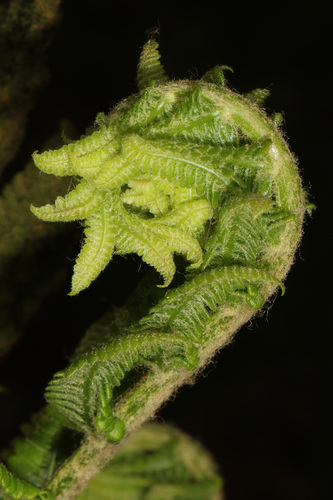
Osmundastrum cinnamomeum (formerly Osmunda cinnamomea) is the cinnamon fern, growing 24–60 inches (60–150 cm) tall and 24–36 inches (60–90 cm) wide in a vase-shaped clump. Two types of fronds: green sterile fronds (photosynthetic, pinnately compound, 24–60 inches / 60–150 cm) forming an outer ring, and cinnamon-brown fertile fronds (spore-bearing, erect, 12–24 inches / 30–60 cm) emerging from the center of the clump in spring. The cinnamon-brown fertile fronds give the common name — they emerge covered in cinnamon-colored sporangia, release spores, and wither by mid-summer while the green sterile fronds persist through fall. Ferns reproduce by spores, not seeds or flowers. The fiddleheads (coiled emerging fronds) in spring are covered in silvery-white wool. Native to eastern North America, from Canada south to Florida and west to Texas, in moist to wet woodlands, swamp margins, and stream banks. Also native to Central and South America and eastern Asia. Tolerates standing water and seasonally flooded conditions. Acidic soil (pH 4.5–6.0). Zone 3 hardy (−40°F / −40°C). Partial to full shade. Consistent moisture required — the fronds scorch and brown in dry conditions. Non-toxic. Deer-resistant. No serious pest or disease problems. Growth rate is moderate. Yellow-bronze fall frond color before deciduous dormancy. Containers of 5+ gallons (20+ liters) kept moist. Zones 3–9.
Native Range
Native to eastern North America, from Canada south to Florida and west to Texas, growing in moist woodlands, swamp margins, and stream banks. Also native to Central and South America and eastern Asia.Suggested Uses
Grown in moist shade borders, woodland gardens, stream banks, and rain gardens in zones 3–9, spaced 24–36 inches (60–90 cm) apart. Containers of 5+ gallons (20+ liters) kept consistently moist. Tolerates seasonal flooding. Native. Non-toxic. Deer-resistant.How to Identify
Appearance
Size & Dimensions
Height2' - 5'
Width/Spread2' - 3'
Bloom Information
Ferns do not flower. Cinnamon-brown fertile fronds emerge in spring (April–May), release spores, and wither by mid-summer. Green sterile fronds persist from spring through fall.
Detailed Descriptions
Flower Description
Ferns do not produce flowers; spores on cinnamon-brown fertile frondsFoliage Description
Medium green fronds; cinnamon-brown fertile fronds in springGrowing Conditions
Sun Requirements
Requires 2-4 hours of direct sunlight daily
• Full Sun: 6+ hours of direct sunlight
• Partial Shade: 3-6 hours of direct sunlight
• Full Shade: Less than 3 hours of direct sunlight
Care & Maintenance
Care Guide
Partial to full shade. Consistently moist to wet acidic soil pH 4.5–6.0. Tolerates standing water and seasonal flooding. Fronds scorch in dry conditions. Zone 3 hardy. Non-toxic. Deer-resistant. No serious pest or disease problems. Zones 3–9.Pruning
Remove browned fertile fronds after they wither in mid-summer. Cut all fronds to the ground in late fall or early spring before new fiddleheads emerge. No other maintenance needed.Container Growing
Suitable for container growing
Minimum container size: 5 gallons