Image 1 of 19
1 / 19
Plant Reference
Oemleria, Genus, cerasiformis, Species,
- Genus & species
osoberry
Pacific Northwest — British Columbia south through Washington, Oregon to California; moist forest edges, stream banks, and woodland understories
Overview
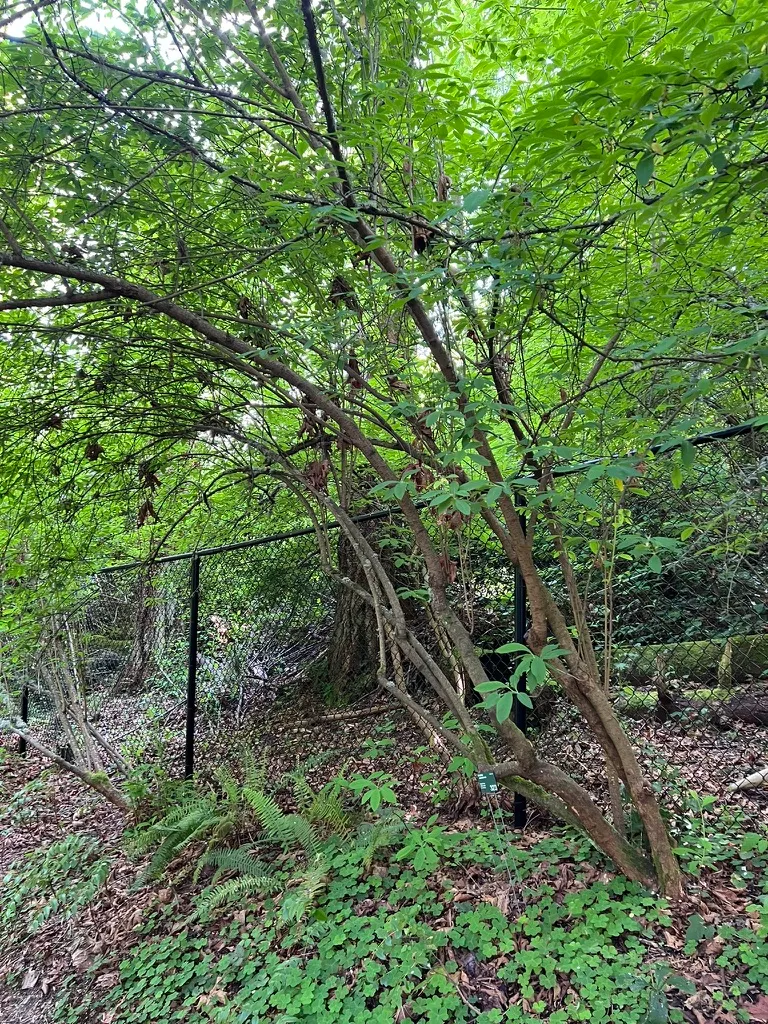
Oemleria cerasiformis is osoberry (Indian plum), an upright deciduous shrub growing 5-15 feet (1.5-4.5 m) tall and 5-10 feet (1.5-3 m) wide. White 5-petaled flowers 0.3-0.5 inch (8-13 mm) in drooping racemes 2-3 inches (5-7 cm) in February-April — fragrant (sweet almond scent). Among the earliest-blooming native Pacific Northwest shrubs. Bright green oblong to lance-shaped leaves 2-4 inches (5-10 cm). Dioecious — female plants produce blue-black plum-like drupes 0.4 inch (10 mm) in June-July. In Rosaceae. Native to the Pacific Northwest. A monotypic genus. Suckers from the roots to form a multi-stemmed thicket — this suckering is the primary maintenance limitation. The foliage drops early in fall (September). The drupes are edible but bitter. Highly shade-tolerant. Drought-tolerant once established. Deer browse. Non-toxic. Zones 5-9. Part shade to full shade. Growth rate is moderate.
Native Range
Native to the Pacific Northwest — British Columbia south through Washington, Oregon to California. Found on moist forest edges, stream banks, and woodland understories.Suggested Uses
Grown in native plant gardens, woodland restoration, stream bank stabilization, and understory plantings in Pacific Northwest landscapes spaced 5-10 feet (1.5-3 m). Early spring bloom and fragrance. Edible (bitter) fruit. Suckering thicket. Native to Pacific Northwest. Non-toxic. Zones 5-9.How to Identify
Appearance
Size & Dimensions
Height5' - 15'
Width/Spread5' - 10'
Bloom Information
Late winter to early spring (February-April). White 5-petaled flowers 0.3-0.5 inch (8-13 mm) in drooping racemes. Sweet almond fragrance. 5 weeks of bloom. Dioecious. Bee-, butterfly-, and hummingbird-visited. Blue-black drupes on female plants June-July.
Detailed Descriptions
Flower Description
White, 5-petaled, 0.3-0.5 inch (8-13 mm), in drooping racemes 2-3 inches (5-7 cm); fragrant — sweet almond scentFoliage Description
Bright green, oblong to lance-shaped, 2-4 inches (5-10 cm) long with smooth margins; emerge with or just after flowers; turns yellow and drops early in fallGrowing Conditions
Sun Requirements
Requires 1-8 hours of direct sunlight daily
• Full Sun: 6+ hours of direct sunlight
• Partial Shade: 3-6 hours of direct sunlight
• Full Shade: Less than 3 hours of direct sunlight
Care & Maintenance
Care Guide
Part shade to full shade (1-8 hours — highly shade-tolerant). Any well-drained soil pH 5.0-7.5. Drought-tolerant once established. Suckers from roots — remove unwanted suckers to control thicket spread. Plant both male and female for fruit. Deer browse. Non-toxic. Zones 5-9.Pruning
Prune in late winter (February-March) — remove oldest stems at the base for renewal. Remove unwanted root suckers to control thicket spread. The upright multi-stemmed form is natural.Pruning Schedule
Prune: February–March
early spring