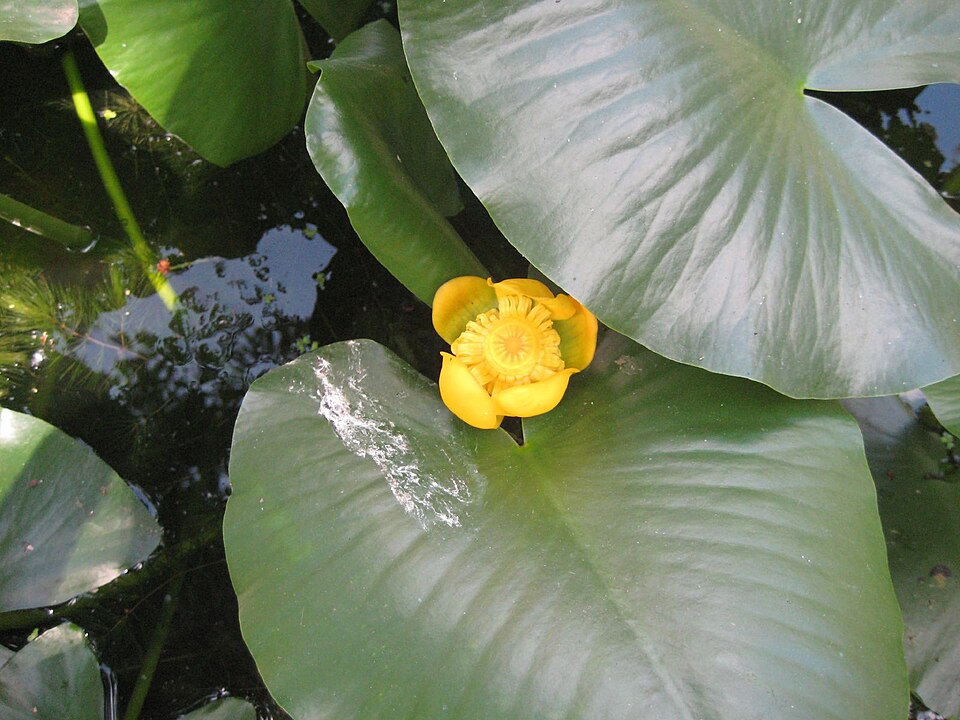
Nuphar, Genus, advena, Species,
- Genus & species
spatterdock
Overview
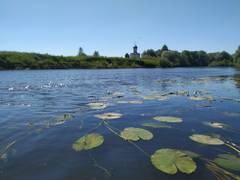
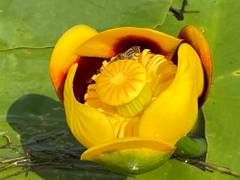
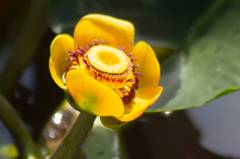
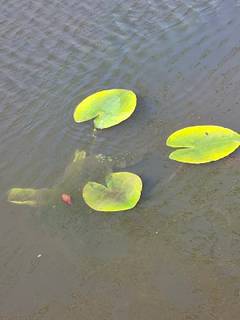
Nuphar advena is an aquatic perennial of the eastern and southern United States, growing from a thick rhizome anchored in the mud of ponds, lakes, and slow streams. The leathery leaves are heart-shaped to oval, 6-16 inches (15-40 cm) long, held above or floating on the water on long stalks. From spring into fall it produces yellow, cup-shaped flowers 1-2 inches (2.5-5 cm) across that barely open, often tinged green or red, rising just above the surface on stout stalks. The flowers are followed by flask-shaped green fruit that ripens above water and releases seeds. The plant roots in water 1-6 feet (0.3-1.8 m) deep and spreads by branching rhizomes into broad colonies, which can fill small ponds. It tolerates mucky, low-oxygen bottoms and fluctuating water levels. The dense growth shades and shelters fish and aquatic life but can crowd out open water.
Native Range
Native to the eastern and southern United States, from the Atlantic and Gulf coasts inland, in ponds, lake margins, marshes, and slow-moving streams.Suggested Uses
Used in ponds, water gardens, and constructed wetlands for cover and shade. The floating leaves shelter fish and reduce algae by shading the water. It suits naturalized pond margins and wildlife water features.How to Identify
Appearance
Size & Dimensions
Height1' - 3'
Width/Spread3' - 6'
Bloom Information
Detailed Descriptions
Flower Description
yellow, sometimes green or red tingedFoliage Description
greenGrowing Conditions
Sun Requirements
Requires 5-12 hours of direct sunlight daily
• Full Sun: 6+ hours of direct sunlight
• Partial Shade: 3-6 hours of direct sunlight
• Full Shade: Less than 3 hours of direct sunlight
Care & Maintenance
Care Guide
Grows in full sun to part shade in still or slow water 1-6 feet (0.3-1.8 m) deep, rooting in mucky or silty bottoms. It tolerates low-oxygen mud, fluctuating levels, and a pH of 5.0-7.5. Rhizomes spread into broad colonies that can be thinned by cutting and pulling to keep open water. The plant dies back to the rhizome in cold winters and regrows in spring. Hardy in USDA zones 4-10. Aphids and leaf-mining insects occur but rarely cause lasting harm.Pruning
Old leaves and spent flower stalks are pulled or cut at the base to keep the planting open. Rhizomes are dug or cut back to limit spread in small ponds. Cutting is done from a boat or the bank during the growing season.Pruning Schedule
Prune: June–July
summer
Container Growing
Suitable for container growing
Minimum container size: 5 gallons