Neillia, Genus, spp., Multiple species,
- Genus
- Multiple species
neillia
Overview
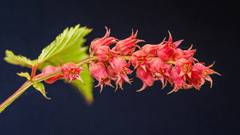
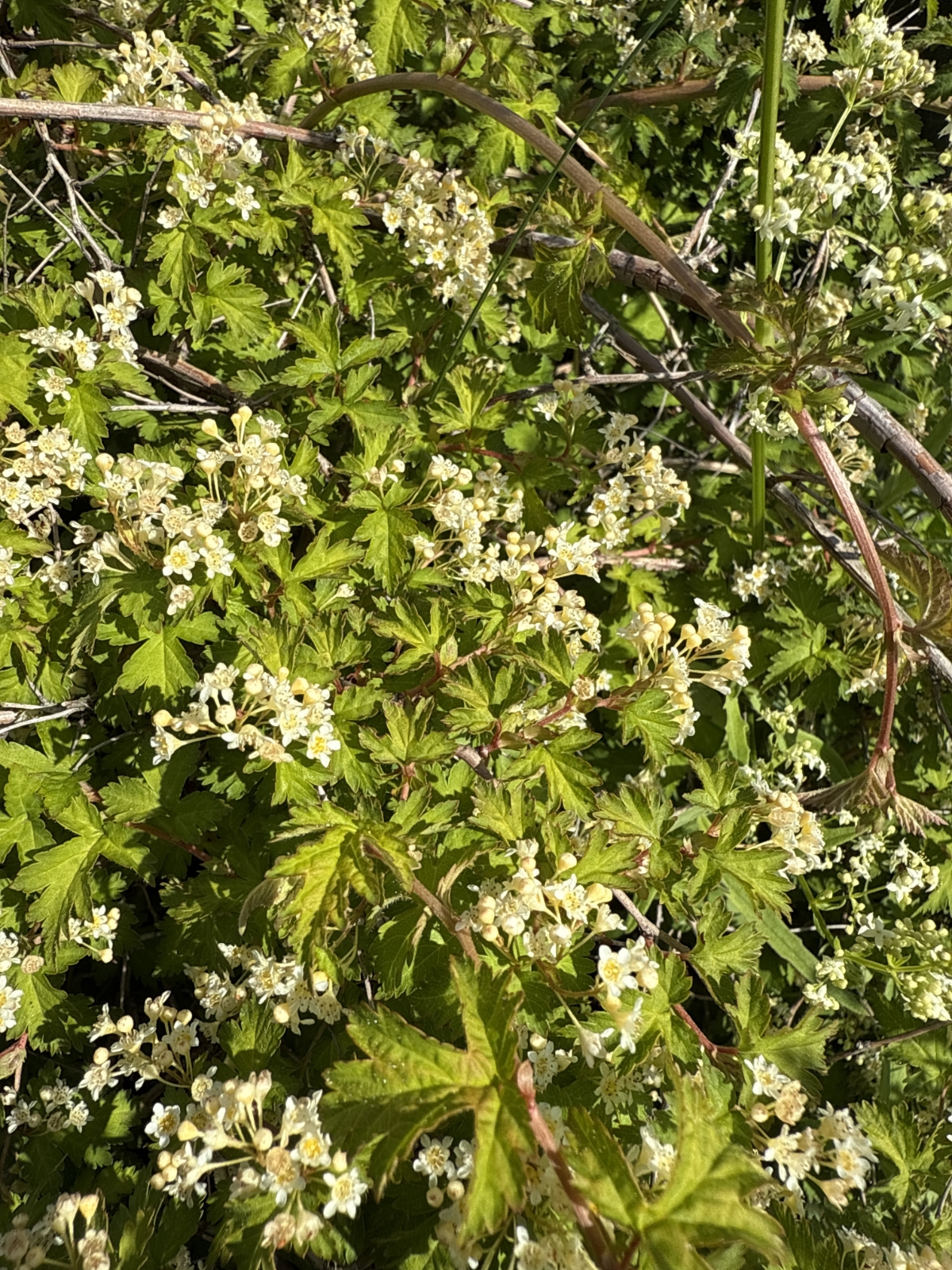
Neillia is a genus of about a dozen deciduous shrubs in the rose family (Rosaceae), native to East Asia and the Himalayas and closely related to ninebark (Physocarpus). Plants form arching, suckering thickets 3-6 ft (0.9-1.8 m) tall and as wide, with slender, often zigzag stems and peeling brown bark on older wood. The leaves are alternate, ovate, sharply lobed and double-toothed, 1.5-4 in (4-10 cm) long, sometimes coloring yellow in autumn. In late spring and early summer, slender terminal racemes 1-3 in (2.5-8 cm) long carry many small, tubular, pink to rose flowers. Dry, bristly seed capsules follow. The genus spreads steadily by suckers and can form broad colonies, which makes it useful for massing but a nuisance in small borders. Plants are hardy, adaptable, and undemanding, growing in most moist soils.
Native Range
Neillia ranges across the Himalayas and East Asia, from northern India and Nepal through southwestern and central China to Korea, growing along forest margins, streamsides, and on moist mountain slopes. It is most diverse in China.Suggested Uses
Neillia is used in shrub borders, informal hedges, woodland edges, and bank plantings where its suckering habit binds the soil. Plants are spaced 4-5 ft (1.2-1.5 m) apart, closer for a continuous mass. The arching form combines with spring bulbs and woodland perennials.How to Identify
Appearance
Size & Dimensions
Height3' - 6'
Width/Spread3' - 6'
Bloom Information
Flowering occurs in late spring to early summer, generally May to June, on the tips of the current shoots. Many small tubular pink to rose flowers line one-sided racemes that open over 2-4 weeks. Light rebloom sometimes follows on strong new growth in late summer.
Detailed Descriptions
Flower Description
Pink to roseFoliage Description
Bright green, yellow in autumnGrowing Conditions
Sun Requirements
Requires 4-8 hours of direct sunlight daily
• Full Sun: 6+ hours of direct sunlight
• Partial Shade: 3-6 hours of direct sunlight
• Full Shade: Less than 3 hours of direct sunlight