Nasturtium, Genus, officinale, Species,
- Genus & species
watercress
Europe and western Asia; streams, springs, shallow channels, and wet meadows.
Overview
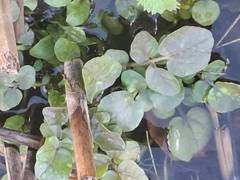
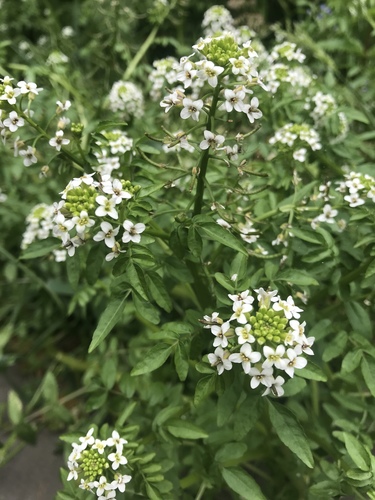
Nasturtium officinale is a semi-aquatic perennial in the mustard family (Brassicaceae) grown for its peppery fresh leaves and stems. Plants reach 4-12 inches (10-30 cm) tall and 12-24 inches (30-60 cm) wide with a trailing creeping habit that roots at the nodes along floating or creeping stems, so an established patch expands laterally through the growing season. Stems are hollow and succulent and break cleanly at the node. Leaves are small, pinnately compound with 3-11 rounded leaflets, dark green, 1-3 inches (2.5-8 cm) long overall, with a sharp peppery mustardy flavor that is standard across the Brassicaceae and comes from glucosinolate breakdown products (primarily phenethyl isothiocyanate in this species) released when leaf tissue is chewed. White four-petaled cruciform flowers 0.2 inch (5 mm) across open in terminal clusters from late spring through summer, and flowering signals the bolting transition after which leaf flavor sharpens and eventually becomes unpalatable. The species is native to Europe and western Asia and has naturalized across temperate regions worldwide including North America, where it grows in streams, springs, and shallow flowing water. Watercress has been cultivated as a leafy green since the Greek and Roman periods, with documented use stretching back over 2,000 years in the historical record. Plants require running water or constant moisture and cannot tolerate dry soil for more than a day or two. Wild-harvested watercress from natural streams may carry parasitic liver flukes (Fasciola hepatica) and bacterial contamination from livestock runoff upstream, so culinary use of watercress is restricted to cultivated sources in commercial horticulture. Hardy in USDA zones 3-11.
Native Range
Nasturtium officinale is native to Europe and western Asia, where it grows in streams, springs, shallow flowing channels, and permanently wet meadow habitats. The species has naturalized throughout temperate regions worldwide including North America and grows along Pacific Northwest streams and springs at low to moderate elevations, though wild harvest from natural waterways carries parasite and contamination risks that make cultivated sources the standard for culinary use.Suggested Uses
Grown in water gardens, nursery trays, shallow container ponds of 2 gallons (8 liters) or larger, and streamside plantings with reliable clean water flow. Culinary uses include salads, sandwiches, soups, sauces such as watercress soup and watercress pesto, garnish applications, and cold-pressed juice blends. The species is a leaf-vegetable crop with a high vitamin C and vitamin K density compared to most salad greens and carries a sharp peppery flavor that distinguishes it from milder lettuces and mesclun mixes. Watercress is a primary teaching example of Brassicaceae in aquatic habitats and of glucosinolate-based pungency chemistry in plant foods. The 2-week regrowth cycle on cut stems makes the species a high-yielding cut-and-come-again leaf crop in a small water footprint.How to Identify
Appearance
Size & Dimensions
Height4" - 1'
Width/Spread1' - 2'
Bloom Information
Small white four-petaled cruciform flowers 0.2 inch (5 mm) across cluster in terminal racemes from late spring through summer (approximately May through July in Pacific Northwest conditions), with a total bloom span of 4-6 weeks per flowering flush. Bolting triggers the flowering transition and marks the point where leaf flavor sharpens and begins to become unpalatable for culinary use, so leaf harvest happens before the flower buds develop. Flowers are cross-pollinated by small bees and flies, and the species self-sows freely in wet habitats.
Detailed Descriptions
Flower Description
White; small four-petaled cruciform flowers 0.2 inch (5 mm) across in terminal clusters from late spring through summerFoliage Description
Dark green; small pinnately compound leaves 1-3 inches (2.5-8 cm) long with 3-11 rounded leaflets on hollow succulent stemsGrowing Conditions
Sun Requirements
Requires 3-6 hours of direct sunlight daily
• Full Sun: 6+ hours of direct sunlight
• Partial Shade: 3-6 hours of direct sunlight
• Full Shade: Less than 3 hours of direct sunlight
Care & Maintenance
Care Guide
Seed is surface-sown on wet soil or in shallow trays of water and is not covered because germination requires light. Soil is kept constantly wet from sowing through establishment, and mature plantings tolerate 2-3 inches (5-8 cm) of standing water that is refreshed regularly to prevent stagnation and algal growth. Cool temperatures of 50-65°F (10-18°C) produce the strongest vegetative growth, and part shade through summer delays bolting in the Pacific Northwest where summer sun can push plants into flower prematurely. Harvest happens by cutting stems 2 inches (5 cm) above the water line or soil surface, and regrowth fills in within 1-2 weeks. Cultivation in nursery trays or dedicated wet beds avoids the parasite and contamination risks that rule out wild-stream harvest for culinary use, and water quality in the cultivation system is the key food-safety variable.Pruning
Cut stems 2 inches (5 cm) above the waterline or soil surface. Regrowth fills in within 1-2 weeks. Flower buds are removed as they appear to extend the leaf harvest period and delay the flavor change associated with bolting.Container Growing
Suitable for container growing
Minimum container size: 2 gallons
Toxicity
Non-toxicPlanting Guide
Planting Methods & Timing
Planting Method
both
Indoor Start
4 weeks before last frost
Direct Sow Timing
Spring: surface-sow on wet soil or in shallow trays of water and do not cover the seed, which requires light to germinate.
Days to Maturity
50–60 days
Plant Spacing
4 inches