Myrtus, Genus, spp., Multiple species,
- Genus
- Multiple species
myrtle
Mediterranean basin and central Sahara mountains
Overview
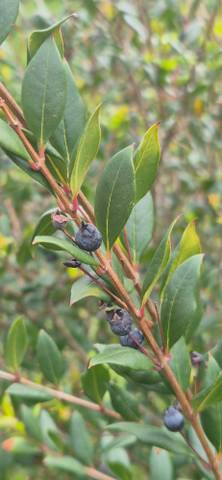
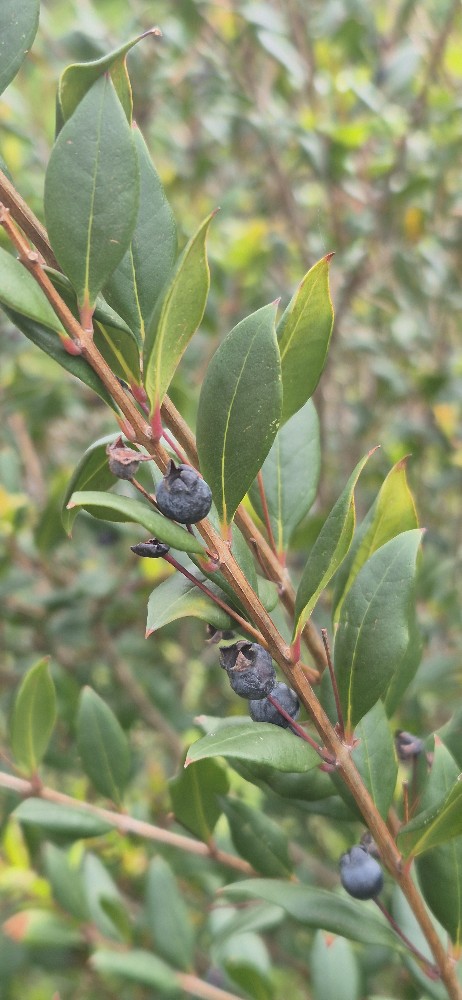
Myrtus is a small genus of evergreen shrubs in the myrtle family (Myrtaceae), centred on Myrtus communis of the Mediterranean basin, with M. nivellei restricted to mountains of the central Sahara. Plants form dense, twiggy, rounded shrubs 1.5-5 m (5-16 ft) tall and 1.5-3 m (5-10 ft) wide, sometimes trained as small trees. The opposite leaves are 2-5 cm (0.8-2 in) long, oval to lance-shaped, glossy dark green, leathery, and aromatic when crushed from oil glands dotting the blade. Solitary white flowers 2-3 cm (0.8-1.2 in) across open from the leaf axils in summer, each with five petals and a raised boss of many white stamens. Round berries 7-12 mm (0.3-0.5 in) follow, ripening through autumn from green to blue-black or, in some forms, white. The whole plant is fragrant, and the leaves, flowers, and fruit have a long record of culinary and aromatic use around the Mediterranean. Myrtus is frost-sensitive below about -8 C (18 F), which limits outdoor cultivation in cold-winter regions, where it is grown in containers and overwintered under cover.
Native Range
Myrtus is native to the Mediterranean basin and adjoining areas, with M. communis ranging across southern Europe, North Africa, and western Asia in scrub, maquis, and open woodland. M. nivellei survives as a relict in the Tassili and Hoggar mountains of the central Sahara. Plants grow on rocky, free-draining slopes, often over limestone.Suggested Uses
Used as an evergreen specimen, clipped hedge, or topiary in Mediterranean and coastal gardens, and grown in containers in colder regions, spaced 90-150 cm (3-5 ft) apart for hedging. The aromatic foliage, flowers, and berries are used in cooking, perfumery, and dried arrangements.How to Identify
Appearance
Size & Dimensions
Height5' - 16'
Width/Spread5' - 10'
Bloom Information
Flowers open through summer, mainly June to August, as solitary white blooms in the leaf axils. Each flower lasts a few days, the spreading white stamens giving a feathery look. Berries develop afterwards and ripen from autumn into winter.
Detailed Descriptions
Foliage Description
Glossy dark greenGrowing Conditions
Sun Requirements
Requires 6-10 hours of direct sunlight daily
• Full Sun: 6+ hours of direct sunlight
• Partial Shade: 3-6 hours of direct sunlight
• Full Shade: Less than 3 hours of direct sunlight
Care & Maintenance
Care Guide
Myrtus grows in full sun and free-draining soil of low to moderate fertility, tolerating sand, loam, and alkaline ground over limestone. Once established it withstands summer drought, though container plants need regular water through the growing season. Hardiness spans roughly USDA zones 8 to 11, and plants take foliage and stem damage below about -8 C (18 F). In marginal climates it is grown against a warm wall or in pots moved under cover for winter. Soil that stays wet through winter causes root rot, so sharp drainage matters. Feeding is rarely needed in open ground.Pruning
Clip after flowering or in spring to shape the plant and hold density, as Myrtus tolerates trimming and is used for low hedging and topiary. Cut back only into wood that still carries leaves, since old bare stems regrow slowly. Frost-damaged shoots are taken out once new growth resumes.Container Growing
Suitable for container growing
Minimum container size: 5 gallons