Myoporum, Genus, spp., Multiple species,
- Genus
- Multiple species
ngaios
Australia, New Zealand, and the Pacific
Overview
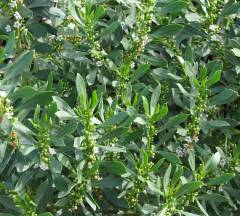
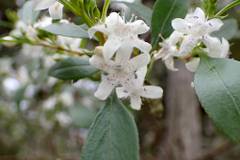
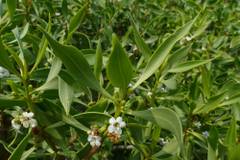
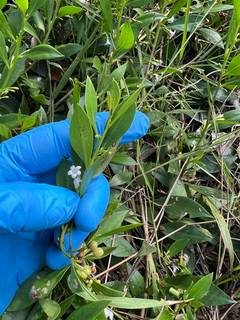
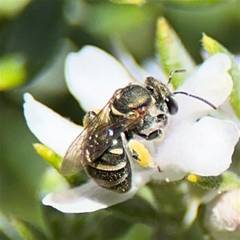
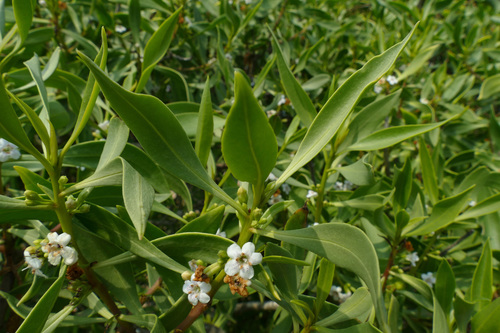
Myoporum is a genus of about 30 species of evergreen shrubs and small trees, sometimes called ngaio or boobialla, native to Australia, New Zealand, the Pacific islands, and eastern Asia. Plants range from prostrate, ground-hugging mats a few inches high to upright shrubs and trees 20-30 ft (6-9 m) tall, spreading 3-15 ft (0.9-4.5 m) wide. The leaves are alternate, fleshy, and often glossy, dotted with translucent oil glands that show when held to the light, and range from small and narrow to broad. Small star-shaped flowers, 0.2-0.5 in (5-12 mm) across, open along the stems in white or pale pink, usually peppered with purple spots, followed by small fleshy drupes that ripen white, pink, or purple. The genus grows fast and tolerates wind, salt, heat, and poor soil, and the low-growing species are widely used as drought-tolerant groundcovers. The foliage of some species, including the ngaio M. laetum, contains liver-damaging compounds and is toxic to grazing animals and people. Myoporum needs full sun and free-draining soil and is mostly frost-tender, suited to mild and coastal climates rather than cold inland gardens.
Native Range
Native to Australia, New Zealand, the Pacific islands, Mauritius, and eastern Asia, where species grow in coastal scrub, open forest, and dry inland sites. New Zealand ngaio and several Australian boobiallas are the most familiar species.Suggested Uses
Low species are used as drought-tolerant groundcovers on banks, slopes, and median strips, spaced 24-36 in (60-90 cm) apart, while taller species serve as coastal hedges, screens, and small shade trees. Suited to seaside and dry-climate gardens.How to Identify
Appearance
Size & Dimensions
Height6" - 30'
Width/Spread3' - 15'
Bloom Information
Detailed Descriptions
Flower Description
White or pale pink with purple spotsFoliage Description
Green, glossy, oil-dottedGrowing Conditions
Sun Requirements
Requires 6-12 hours of direct sunlight daily
• Full Sun: 6+ hours of direct sunlight
• Partial Shade: 3-6 hours of direct sunlight
• Full Shade: Less than 3 hours of direct sunlight
Care & Maintenance
Care Guide
Grow in full sun in light, free-draining soil; the genus tolerates sand, salt, wind, and drought but rots in heavy, wet ground. Water young plants until established, after which most species need little irrigation. Growth is fast, and the prostrate species knit together quickly to cover banks and slopes. Most species are frost-tender, hardy in USDA zones 9-11, with the ngaio taking only light frost. The foliage of some species contains liver-damaging compounds and is toxic to livestock, pets, and people if eaten. Plants are cut back to control spread and keep groundcover forms dense.Pruning
Trim groundcover species after flowering to keep them dense and within bounds. Shrubs and trees are pruned in spring to shape and remove dead wood. The genus regrows readily from light to moderate cutting.Pruning Schedule
Prune: July–August
summer
Container Growing
Suitable for container growing
Minimum container size: 3 gallons