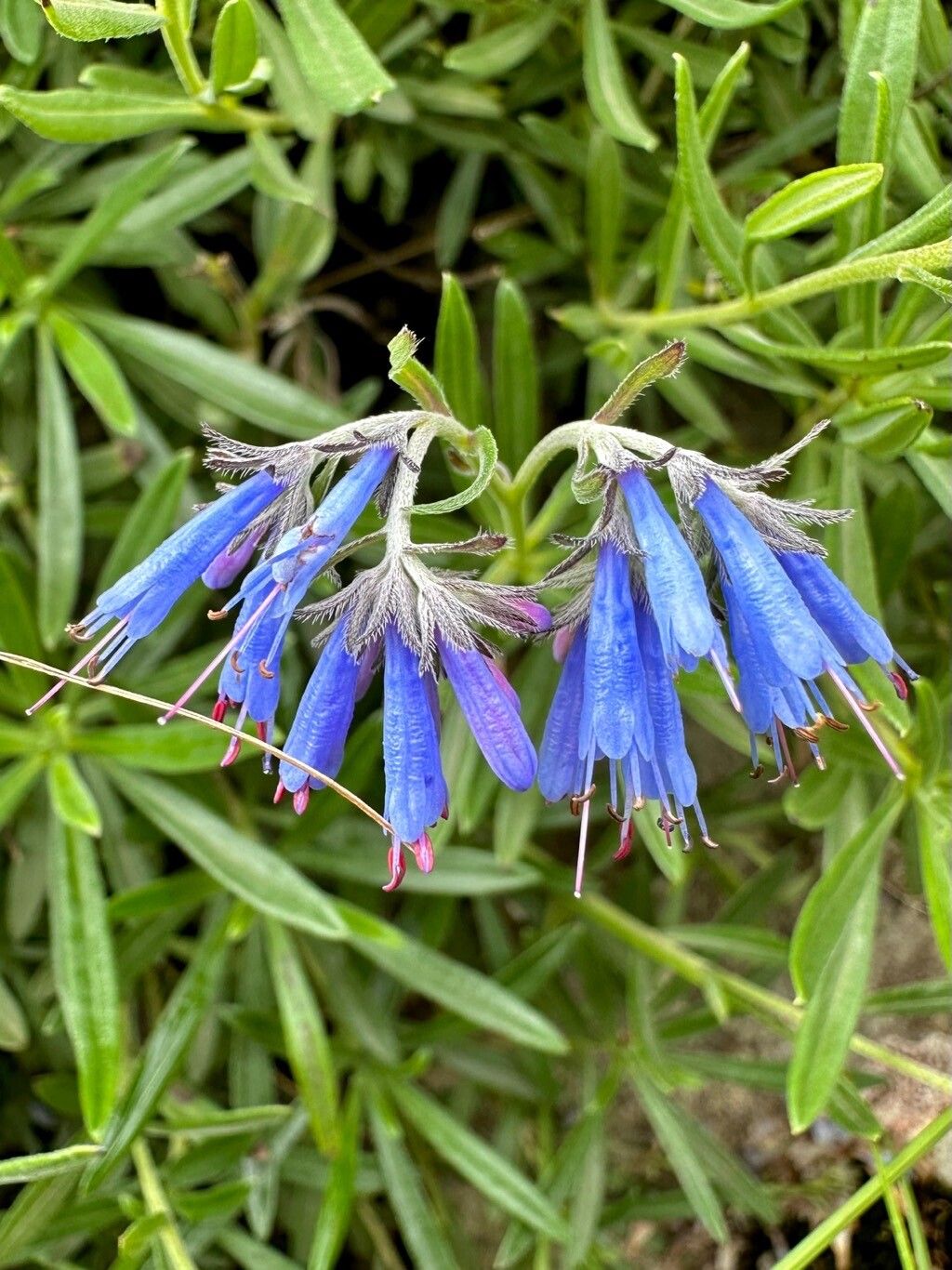
Moltkia, Genus, spp., Multiple species,
- Genus
- Multiple species
Mediterranean region and western Asia
Overview
Moltkia is a small genus of about six perennial herbs and low subshrubs in the borage family (Boraginaceae), native to the Mediterranean region and western Asia. Plants form low, woody-based mounds 6-18 inches (15-45 cm) tall and 12-18 inches (30-45 cm) wide, with narrow, stiff, hairy leaves crowded along the stems. Funnel- to tube-shaped flowers appear in coiled clusters in late spring and summer, colored blue to violet in Moltkia petraea and yellow in Moltkia suffruticosa, each flower 0.3-0.5 inch (8-12 mm) long. The hairy foliage and rough texture are typical of the family. Native to sunny limestone rock and dry slopes, the genus needs sharp drainage and full sun and is intolerant of heavy, wet soils, which rot the woody base. Several species are grown in rock gardens, where they stay compact and slow-growing.
Native Range
Moltkia is native to the Mediterranean region and western Asia, from Italy and the Balkans through Greece and Turkey to Iran. Species grow on dry, sunny limestone rock, screes, and stony slopes.Suggested Uses
Used in rock gardens, raised beds, crevice gardens, and dry stone walls where drainage is sharp and sun is full. Suited to alpine troughs and gravel plantings in regions with dry summers. The low, mounded habit sits among other small Mediterranean rock plants.How to Identify
Appearance
Size & Dimensions
Height6" - 1'6"
Width/Spread1' - 1'6"
Bloom Information
Detailed Descriptions
Flower Description
Blue to violet or yellowFoliage Description
GreenGrowing Conditions
Sun Requirements
Requires 6-12 hours of direct sunlight daily
• Full Sun: 6+ hours of direct sunlight
• Partial Shade: 3-6 hours of direct sunlight
• Full Shade: Less than 3 hours of direct sunlight
Care & Maintenance
Care Guide
Grow in full sun on gritty, sharply drained, neutral to alkaline soil, often with a limestone component. The genus tolerates heat and drought once established but rots in heavy or wet ground, especially over winter. A position among rocks or in a raised bed keeps the woody base dry. Propagation is by seed or by soft cuttings taken in summer. Plants are slow to bulk up and respond to minimal disturbance. Cold, wet winters are the main limit on where the genus can be grown.Pruning
Trim lightly after flowering to keep the mound dense and to remove spent flower clusters. Cutting into old bare wood resprouts slowly, so trimming is kept to younger growth. No hard pruning is needed.Container Growing
Suitable for container growing
Minimum container size: 2 gallons
