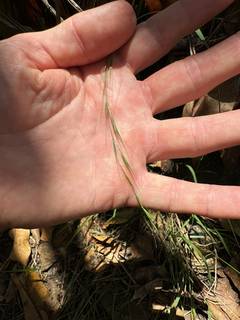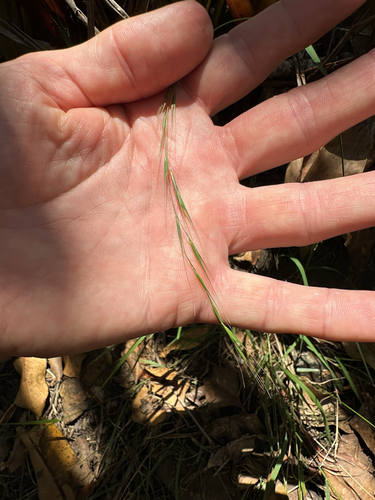
Microlaena, Genus, spp., Multiple species,
- Genus
- Multiple species
weeping grass
Australia, New Zealand, and the western Pacific
Overview
Microlaena is a genus of perennial grasses in the family Poaceae, native to Australia, New Zealand, and parts of Southeast Asia and the Pacific; several botanists now place its species within the related genus Ehrharta. The most familiar species, M. stipoides, weeping grass, is a tufted to shortly rhizomatous grass forming clumps 8-24 inches (20-60 cm) tall. The narrow, soft, mid-green leaves arch outward, and slender flowering stems carry sparse, nodding seed heads whose ripe spikelets bear long awns and drop readily. Growth is cool-season, with most activity in spring and autumn, and the foliage stays green year-round in mild climates while browning back after hard frost or summer drought. The genus tolerates shade better than most lawn grasses and, once established, withstands dry spells and moderate foot traffic. It grows on a wide range of soils, from sandy to clay, and spreads slowly to form a low sward. In its native range Microlaena is grown as a low-maintenance native lawn and pasture grass and for revegetation.
Native Range
Microlaena is native to Australia, New Zealand, New Guinea, and parts of Southeast Asia and the Pacific islands. M. stipoides is widespread across eastern and southern Australia in woodland, grassland, and forest understorey.Suggested Uses
Grown as a low-input native lawn, in meadow and grassland plantings, and for erosion control and revegetation in its native range. The shade tolerance of M. stipoides suits it to lawns under trees where many turf grasses thin out. It is also used as an understorey grass in naturalistic and habitat gardens.How to Identify
Appearance
Size & Dimensions
Height8" - 2'
Width/Spread8" - 1'6"
Bloom Information
As a grass, Microlaena produces flowering seed heads rather than showy blooms, mainly from late spring through summer, with some flowering in autumn in mild climates. The wind-pollinated spikelets ripen and drop their awned seeds over an extended period. Plants may flower more than once in a favorable season.
Detailed Descriptions
Flower Description
Green to strawFoliage Description
GreenGrowing Conditions
Sun Requirements
Requires 3-9 hours of direct sunlight daily
• Full Sun: 6+ hours of direct sunlight
• Partial Shade: 3-6 hours of direct sunlight
• Full Shade: Less than 3 hours of direct sunlight
Care & Maintenance
Care Guide
Plants grow in full sun to moderate shade and accept sandy, loamy, or clay soils across a range of pH, provided drainage is reasonable. Cool-season growth peaks in spring and autumn, with foliage staying green year-round in frost-free areas and browning after hard frost or prolonged drought. Established stands tolerate dry spells and light traffic, recovering when moisture returns. Mowing or grazing is tolerated and keeps the sward low and dense. Growth and spread are slow, so stands take time to fill in from seed or plugs. Light feeding maintains green color without forcing excess growth.Pruning
Maintenance amounts to mowing or trimming to the desired height during the growing season, which also limits self-seeding. Stands are cut back after seed set to tidy spent flowering stems. No structural pruning is needed.Pruning Schedule
Prune: June & September
summerfall
Container Growing
Suitable for container growing
Minimum container size: 2 gallons