Mercurialis, Genus, spp., Multiple species,
- Genus
- Multiple species
mercury
Europe, the Mediterranean, North Africa, and temperate Asia
Overview
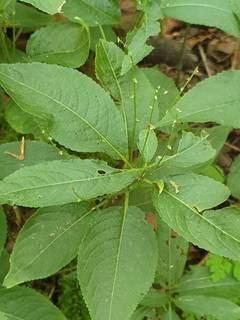
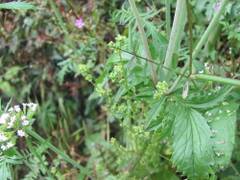
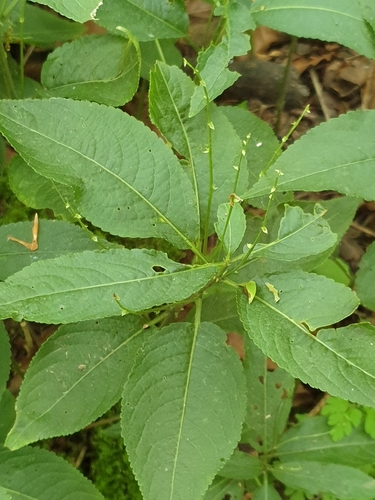
Mercurialis is a genus of about ten species of herbaceous annuals and perennials in the spurge family (Euphorbiaceae), native to Europe, the Mediterranean, North Africa, and temperate Asia. The two most familiar species illustrate the genus's range of habit: M. annua, annual mercury, is an erect annual of cultivated and waste ground, while M. perennis, dog's mercury, is a rhizomatous perennial that carpets the floor of deciduous woodland. Plants reach 4-24 inches (10-60 cm) tall, with simple, opposite, toothed leaves on green, often unbranched stems. Most species are dioecious, the male plants carrying slender spikes of tiny greenish flowers and the females bearing inconspicuous flowers in the leaf axils. Foliage of several species gives off a disagreeable smell when bruised. All parts contain saponins and volatile compounds that are poisonous to people and livestock, and M. perennis in particular has caused poisoning when eaten. The perennial species spread steadily by rhizome to form extensive colonies, while the annual species reproduce freely from seed. Across the genus, plants grow in a wide range of soils, the woodland species in shade and the weedy annual in open, disturbed ground.
Native Range
Mercurialis is native to Europe, the Mediterranean basin, North Africa, and temperate Asia. M. perennis ranges through European woodlands, while M. annua has spread widely as a weed of cultivation, including into North America, beyond its native range.Suggested Uses
The perennial species are used as shade ground cover in woodland and wild gardens where their spread is wanted. The genus has historical use as a dye and folk medicine plant, though its toxicity restricts handling. Most species are grown more for naturalistic cover than for ornament.How to Identify
Appearance
Size & Dimensions
Height4" - 2'
Width/Spread1' - 2'
Bloom Information
Flowering time varies with habit: the woodland perennial M. perennis flowers in early spring, February to April, before the tree canopy closes, while the annual M. annua flowers through summer and into autumn. The small greenish flowers are wind-pollinated. Male and female flowers are borne on separate plants.
Detailed Descriptions
Foliage Description
GreenGrowing Conditions
Sun Requirements
Requires 2-8 hours of direct sunlight daily
• Full Sun: 6+ hours of direct sunlight
• Partial Shade: 3-6 hours of direct sunlight
• Full Shade: Less than 3 hours of direct sunlight
Care & Maintenance
Care Guide
Requirements differ across the genus. The perennial woodland species grow in partial to full shade on moist, humus-rich soils and spread by rhizome to form dense ground cover. The annual species grow in full sun on open, disturbed, often fertile ground and complete their cycle in a single season. Both tolerate a wide pH range and a variety of soil textures. The perennials need little care once established and can spread beyond their intended area. All parts are poisonous to people and grazing animals, so the genus is grown away from vegetable beds and pasture.Pruning
Little pruning is needed. Spent annual plants are pulled or hoed at the end of the season, before seed is shed, to limit self-sowing. Perennial colonies are reduced by removing lengths of rhizome in spring or autumn.Pruning Schedule
Prune: April & October
early springfall