Mentzelia, Genus, spp., Multiple species,
- Genus
- Multiple species
blazingstars
Americas, mainly the arid western United States and Mexico
Overview
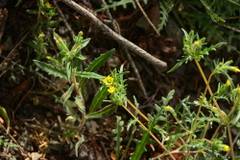
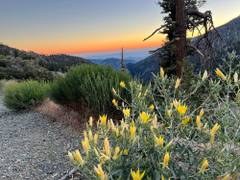
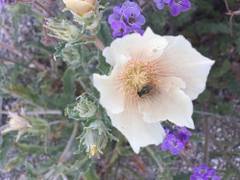
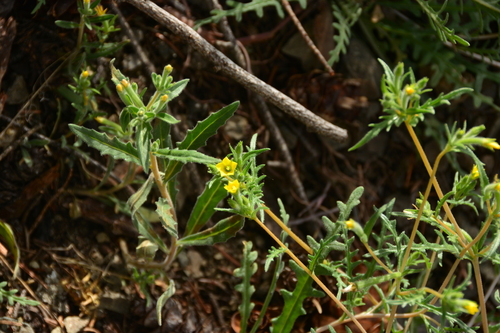
Mentzelia is a genus of about 100 species of annual, biennial, and perennial plants in the family Loasaceae, native to the Americas and most diverse in the arid western United States and Mexico. Plants range from low annuals to branching perennials 6-40 inches (15-100 cm) tall, with whitish stems and leaves that are often toothed or lobed. The leaves and stems are covered in barbed hairs that cling to fur and clothing, giving the plants the name stickleaf. The flowers are star-shaped, with five to many narrow, pointed petals in yellow, cream, or white, and a central boss of numerous stamens. In many species the flowers open in late afternoon or early morning and close in the heat of the day, while others stay open in full sun. M. lindleyi, sometimes grown as a garden annual, has bright yellow flowers, and M. laevicaulis bears large pale yellow blooms up to 5 inches (13 cm) across. Most species grow in dry, open, sandy or rocky ground and need sharp drainage and full sun, performing poorly in rich, moist soils. The clinging foliage can be a drawback in plantings near paths, as it catches on clothing.
Native Range
Mentzelia is native to the Americas, with the greatest number of species in the deserts and dry grasslands of the western United States and Mexico. Other species reach into South America.Suggested Uses
Grown in dry, sunny gardens, gravel and rock gardens, and native plantings of the arid west, where the star-shaped flowers suit low-water schemes. The night- or morning-opening species add interest at the cooler ends of the day. Plants are placed away from paths, where the clinging foliage would catch on passers-by.How to Identify
Appearance
Size & Dimensions
Height6" - 3'4"
Width/Spread6" - 1'6"
Bloom Information
Flowering occurs mainly in late spring and summer, roughly May to September, varying with species and rainfall in arid regions. Many species open their flowers in late afternoon or early morning and close them during the hottest part of the day. Bloom is heavier in years with good spring moisture.
Detailed Descriptions
Flower Description
yellow, cream, or whiteFoliage Description
green to gray-greenGrowing Conditions
Sun Requirements
Requires 6-12 hours of direct sunlight daily
• Full Sun: 6+ hours of direct sunlight
• Partial Shade: 3-6 hours of direct sunlight
• Full Shade: Less than 3 hours of direct sunlight
Water & Climate
Water Needs
Drought Tolerance
Drought tolerant when established
Care & Maintenance
Care Guide
These plants need full sun and sharply drained, sandy or rocky, low-nutrient soil that mirrors their dry native ground. They tolerate heat and drought and are short-lived in rich or moist soils, where they grow leafy and rot. Annual and biennial species are grown from seed sown where the plants are to flower, as they resent root disturbance. Perennial species form a deep taproot and are difficult to transplant once established. Little or no feeding or extra water is needed in suitable sites. The barbed foliage clings to skin and clothing during handling.Pruning
Little pruning is needed. Spent flowering stems can be cut back after bloom, and annual species are cleared once they set seed. Leaving some seed heads allows self-sowing in suitable open ground.Toxicity: Not assessed
UnknownPlanting Guide
Planting Methods & Timing
Planting Method
direct sow
Direct Sow Timing
Sow in spring where plants are to grow, as the genus resents transplanting
Days to Maturity
70–90 days
Plant Spacing
12 inches
Companion Planting
Good Companions