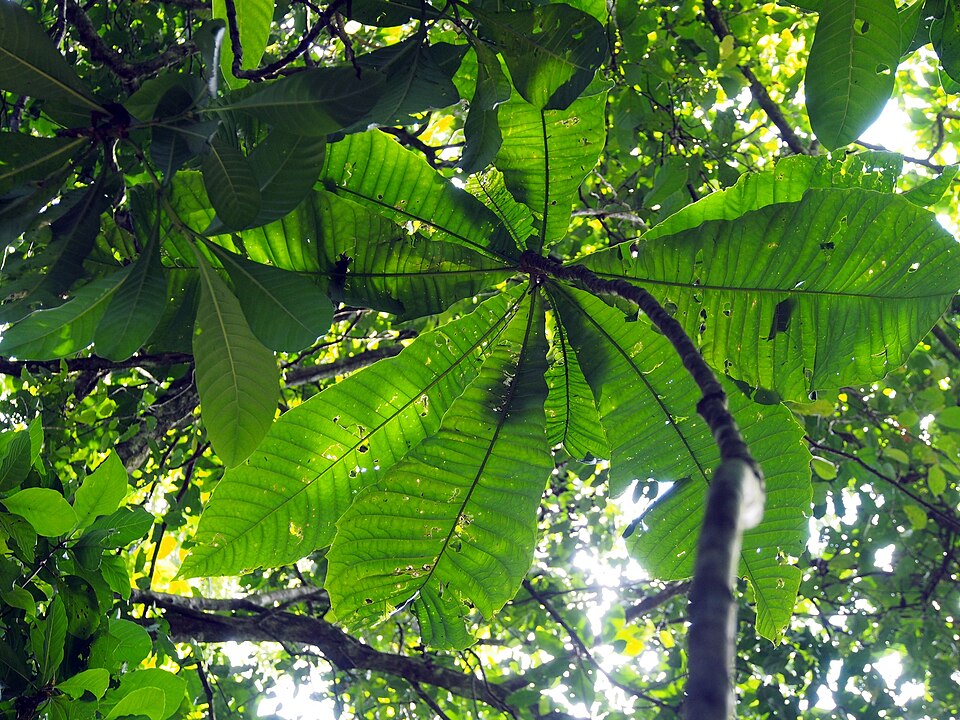
Meliosma, Genus, spp., Multiple species,
- Genus
- Multiple species
meliosma
East/Southeast Asia and the Americas
Overview
Meliosma is a genus of about 50 deciduous and evergreen trees and shrubs in the family Sabiaceae, found across tropical and warm-temperate Asia and the Americas. Cultivated species, such as M. veitchiorum and M. dilleniifolia, range from large shrubs to trees 20-50 ft (6-15 m) tall with a spreading crown and stout, sparsely branched shoots. Leaves are alternate, either simple or pinnately compound, often large and conspicuously veined, turning yellow before fall in deciduous kinds. In late spring to early summer, large terminal panicles 6-18 in (15-45 cm) long carry many tiny creamy-white flowers with a strong sweet fragrance. Small red to black drupes about 0.25 in (6 mm) across ripen in autumn and feed birds. Most species grow slowly, are slow to begin flowering, and need a mild, sheltered, moist climate. They are uncommon in gardens, found mainly in collections and larger landscapes.
Native Range
Meliosma has a disjunct distribution, with species in East and Southeast Asia, from the Himalayas through China to Japan and Malesia, and in Central and South America. They grow in moist montane and lowland forests, usually as understory or mid-canopy trees.Suggested Uses
Meliosma is grown as a flowering specimen or canopy tree in woodland gardens, arboreta, and sheltered larger landscapes. Trees are spaced 20-30 ft (6-9 m) apart to allow the broad crown to develop. The summer panicles and autumn fruit suit gardens managed for fragrance and birds.How to Identify
Appearance
Size & Dimensions
Height20' - 50'
Width/Spread15' - 30'
Bloom Information
Flowering occurs in late spring to early summer, generally May to June, on broad terminal panicles. The many small creamy-white flowers carry a strong, sweet scent noticeable from a distance. Red drupes ripen through late summer and autumn and are taken by birds.
Detailed Descriptions
Foliage Description
Dark green, yellow in autumn on deciduous speciesGrowing Conditions
Sun Requirements
Requires 4-8 hours of direct sunlight daily
• Full Sun: 6+ hours of direct sunlight
• Partial Shade: 3-6 hours of direct sunlight
• Full Shade: Less than 3 hours of direct sunlight
