Melicope, Genus, spp., Multiple species,
- Genus
- Multiple species
melicope
Indo-Pacific, Australasia, and the Pacific including Hawaii
Overview
Melicope is a large genus of about 230 evergreen trees and shrubs in the citrus family (Rutaceae), spread across tropical and subtropical Asia, Australasia, and the Pacific islands, with an extensive radiation in Hawaii. Plants range from low shrubs to canopy trees from 3 to 80 ft (1 to 25 m) tall, depending on species. The opposite or whorled leaves are often divided into three leaflets and dotted with oil glands that release a citrus-like scent when crushed. Small four-parted greenish-white flowers are carried in clusters in the leaf axils, with male and female flowers sometimes on separate plants. The fruit is a woody capsule splitting into one to four segments, each releasing a shiny black seed that hangs out on a thread and is taken by birds. Many species grow in rainforest and moist montane forest, while others occupy dry slopes and coastal scrub. The Hawaiian species, known as alani, include several that are rare or endangered. Most species need frost-free, humid conditions and well-drained soil, and few tolerate cold. Growth is generally slow to moderate, and the genus is uncommon in general cultivation outside botanical and native collections.
Native Range
Melicope is native to tropical and subtropical Asia, Australia, New Zealand, and the Pacific islands, reaching as far as Hawaii. The greatest concentration of species is in Malesia and the Pacific.Suggested Uses
Grown as shade and screening trees, rainforest-garden plants, and aromatic foliage shrubs in frost-free and warm-temperate gardens. Several species are used in habitat and restoration plantings within their native ranges, and the Hawaiian alani feature in conservation collections. Smaller species are kept in containers in subtropical and indoor settings.How to Identify
Appearance
Size & Dimensions
Height3' - 80'
Width/Spread3' - 40'
Bloom Information
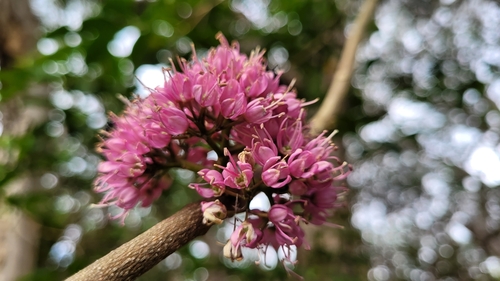
Flowering time varies with species and climate, often in spring and summer in seasonal areas and through much of the year in the wet tropics. The small greenish-white flowers are visited by bees, flies, and other small insects. Woody capsules follow and release black seeds that hang out and attract fruit-eating birds.
Detailed Descriptions
Foliage Description
greenGrowing Conditions
Sun Requirements
Requires 4-10 hours of direct sunlight daily
• Full Sun: 6+ hours of direct sunlight
• Partial Shade: 3-6 hours of direct sunlight
• Full Shade: Less than 3 hours of direct sunlight
Care & Maintenance
Care Guide
Melicope species grow in full sun to part shade in warm, frost-free, humid climates on moist, well-drained soils rich in organic matter. Steady moisture suits the rainforest species, while dry-country species tolerate more drought once established. Most have little frost tolerance and are damaged or killed by freezing, which limits them to tropical and warm-temperate gardens. Plants are raised from fresh seed, which loses viability quickly, or from cuttings. Growth is slow to moderate, and many species form small trees over time. Scale insects and sooty mould are the main pest problems in cultivation.Pruning
Pruning is light, removing dead, weak, or crossing branches to shape young trees and shrubs in the warm season. Hedged or screen plantings are trimmed after the main flush of growth. Most species resprout from older wood if cut back.Container Growing
Suitable for container growing
Minimum container size: 5 gallons