Melichrus, Genus, spp., Multiple species,
- Genus
- Multiple species
melichrus
Overview
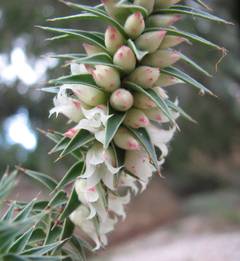
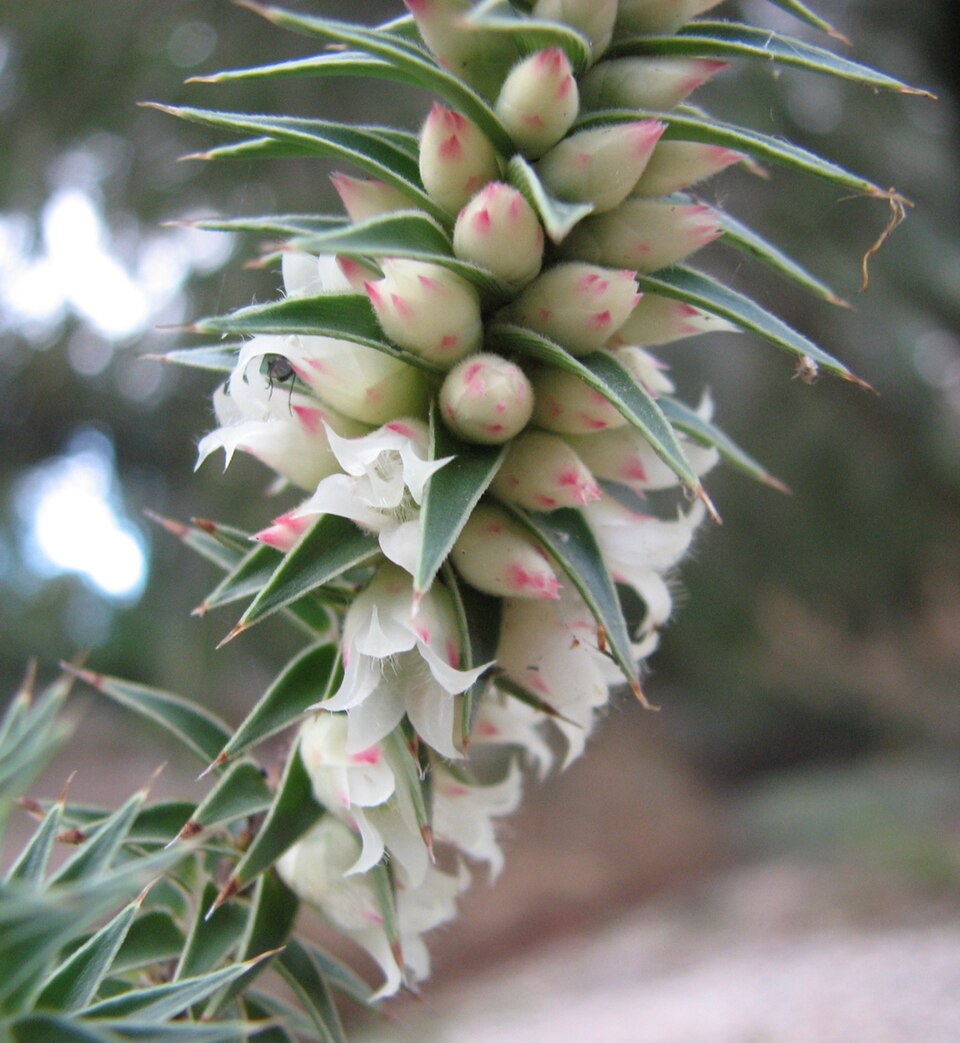
Melichrus is a small genus of about four to five evergreen shrubs in the heath family (Ericaceae), endemic to eastern Australia. Plants are low to medium shrubs, generally 8–40 in (20–100 cm) tall, with a wiry, spreading to upright frame. The small, stiff leaves are crowded along the stems, lance-shaped, and tipped with a sharp point, giving the foliage a prickly feel. Tubular to cup-shaped flowers, around 0.2–0.3 in (5–8 mm) long, sit singly in the leaf axils in white, cream, or greenish tones and hold abundant nectar at the base. Flowering is mainly in late winter and spring. Small fleshy fruits follow and are taken by birds and ants. The genus belongs to the southern-hemisphere heaths once placed in the family Epacridaceae and grows on poor, sandy, acidic soils in heath, woodland, and dry sclerophyll forest. Plants take full sun to light shade and are adapted to low fertility and seasonal dryness, but are intolerant of rich soil, heavy clay, and wet roots. They are slow-growing and uncommon in cultivation, mostly seen in native and habitat plantings within their natural range.
Native Range
Melichrus is endemic to eastern Australia, mainly New South Wales and Queensland. It grows in heath, woodland, and dry sclerophyll forest on poor, sandy, acidic soils.Suggested Uses
Grown in native, heath, and habitat gardens on sandy, acid soils, mostly within or near its natural range in eastern Australia. The nectar-rich flowers suit bird- and pollinator-focused plantings. It is also used in low-fertility rockeries and on dry banks where richer-soil shrubs struggle.How to Identify
Appearance
Size & Dimensions
Height8" - 3'4"
Width/Spread1' - 3'
Bloom Information
The main flowering is in late winter and spring, with small white to greenish flowers clustered along the stems in the leaf axils. The nectar-rich blooms draw honeyeaters, native bees, and other insects. Small fleshy fruits ripen afterward and are eaten by birds and ants.
Detailed Descriptions
Flower Description
white, cream, or greenishFoliage Description
greenGrowing Conditions
Sun Requirements
Requires 5-10 hours of direct sunlight daily
• Full Sun: 6+ hours of direct sunlight
• Partial Shade: 3-6 hours of direct sunlight
• Full Shade: Less than 3 hours of direct sunlight
Care & Maintenance
Care Guide
Melichrus species grow in full sun to light shade on poor, sharply drained, sandy, acidic soils, reflecting their heathland origins. Low fertility suits them, and rich soil or added fertilizer, especially phosphorus, can harm the roots as with many Australian natives. Steady but moderate moisture helps establishment, after which plants tolerate seasonal dryness. Heavy clay, waterlogging, and humidity cause root rot and dieback. Growth is slow, and plants are raised from seed or semi-hardwood cuttings, both of which can be challenging. They are frost-tolerant to light frosts but damaged by hard freezes.Pruning
A light tip prune after flowering keeps plants bushy and compact without cutting into bare old wood. Dead or damaged stems are removed as they appear. Hard pruning into leafless wood is avoided, as plants may not regrow from it.Container Growing
Suitable for container growing
Minimum container size: 3 gallons