Melica, Genus, spp., Multiple species,
- Genus
- Multiple species
melicgrasses
Temperate Northern and Southern Hemispheres
Overview
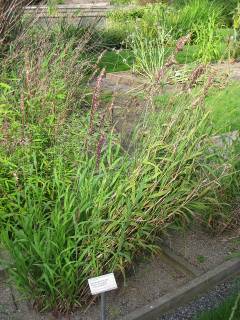
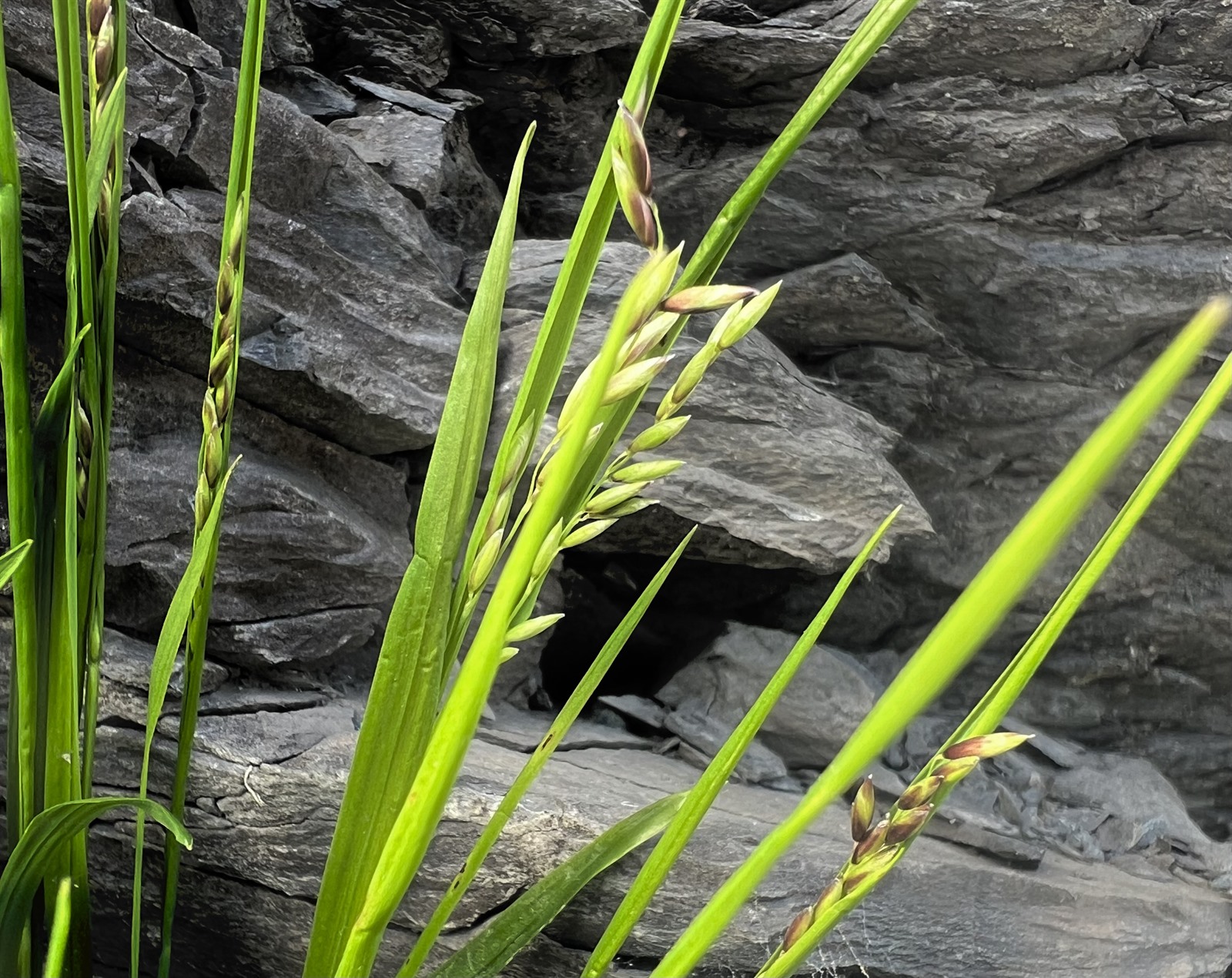
Melica is a genus of about 80 species of tufted, cool-season perennial grasses in the family Poaceae, found across temperate regions of both hemispheres except Australia. Plants form loose to dense clumps 1-4 ft (30-120 cm) tall, with slender, often arching stems and flat, soft leaf blades 0.1-0.4 in (3-10 mm) wide that arise mainly from the base. The flowers are borne in narrow, sometimes one-sided or nodding panicles or racemes, the spikelets papery and frequently tinged purple, green, or straw-brown and catching the light when backlit. In M. ciliata the dense flower spikes are softly hairy and silvery, while M. nutans and M. uniflora carry sparser, nodding spikelets along woodland-edge stems. Most species flower in late spring and early summer and then slow or go dormant through summer heat, greening again with autumn rains. Melica grows in open woodland, on rocky slopes, and in grassland, taking sun to partial shade and a range of well-drained soils. Many species spread slowly by short rhizomes, while summer dormancy leaves a gap in the planting until cooler weather returns.
Native Range
Melica is native to temperate Europe, Asia, Africa, and the Americas, absent only from Australia. Species grow in open woodland and forest margins, on rocky and grassy slopes, and in meadows, ranging from lowland to montane elevations.Suggested Uses
Melica is grown in woodland gardens, shaded borders, naturalistic meadows, and mixed grass plantings, where the airy flower heads add early-season texture. Cut stems are used fresh or dried in arrangements. Woodland species are planted as groundcover at the edge of trees and shrubs.How to Identify
Appearance
Size & Dimensions
Height1' - 4'
Width/Spread1' - 2'
Bloom Information
Melica flowers from late spring into early summer, generally May to July, the airy panicles rising above the foliage. The papery spikelets hold their form for several weeks and dry to straw tones that persist into summer. After flowering, many species rest through summer heat and resume growth with autumn moisture.
Detailed Descriptions
Flower Description
green, purple, to straw-brownFoliage Description
greenGrowing Conditions
Sun Requirements
Requires 3-8 hours of direct sunlight daily
• Full Sun: 6+ hours of direct sunlight
• Partial Shade: 3-6 hours of direct sunlight
• Full Shade: Less than 3 hours of direct sunlight
Care & Maintenance
Care Guide
Grow Melica in full sun to partial shade in moist but well-drained soil of average fertility, with woodland species suited to the cooler, shadier sites. Plants take a wide pH range and short dry spells once established, though they slow and go dormant in summer heat. Clumps are cut back in late winter before new growth begins, as much of the foliage browns over winter. Most species are hardy in USDA zones 4-9 and need no winter protection. Lifting and dividing crowded clumps in early spring or autumn keeps them vigorous. Few pests or diseases trouble the genus, though rust can mark the leaves in damp, crowded plantings.Pruning
Melica needs only a yearly cutback of the old foliage to ground level in late winter or very early spring before fresh growth starts. Spent flower stems are removed earlier where the dried seed heads are not wanted. Crowded or bare-centered clumps are lifted and divided to renew them.Container Growing
Suitable for container growing
Minimum container size: 2 gallons