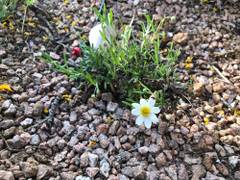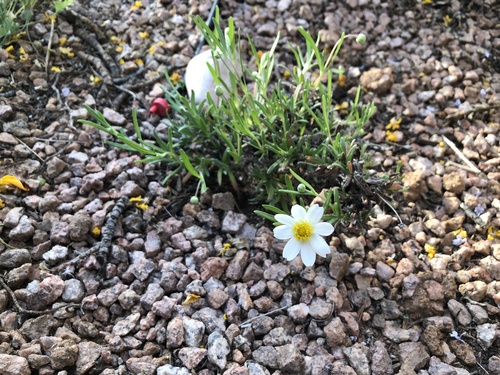
Melampodium, Genus, spp., Multiple species,
- Genus
- Multiple species
blackfoot daisy
Southern United States to tropical South America
Overview
Melampodium is a genus of about 40 annual and perennial plants in the daisy family (Asteraceae), native to the warmer parts of the Americas, from the southern United States through Mexico to South America. Members range from low, mounded perennials to upright annuals, generally 6–24 in (15–60 cm) tall and wide. The opposite leaves are simple, sometimes lobed or toothed, and often slightly rough or hairy. The daisy-like flower heads, 0.5–1.5 in (1–4 cm) across, carry rays in white or yellow around a yellow disc and bloom over a long warm season. M. leucanthum, the blackfoot daisy, is a white-rayed perennial of the dry southwestern United States, while M. divaricatum, the butter daisy, is a yellow-flowered annual grown for summer bedding. Across the genus the plants take full sun, heat, and lean, well-drained soils, and tolerate drought once established. Rich, wet, or poorly drained soil shortens their life and encourages rot. Many self-seed freely, returning year to year from dropped seed. The perennial species are cold-hardy only to mild winters, and the annuals are killed by frost.
Native Range
Melampodium is native to the warmer Americas, from the southern and southwestern United States through Mexico and Central America to tropical South America. The greatest diversity is in Mexico.Suggested Uses
Grown in dry borders, rock and gravel gardens, and as edging or container plants in hot, sunny sites. The butter daisy is used for summer bedding and mass colour, while the blackfoot daisy suits xeriscapes and native plantings. The nectar-rich flowers are kept in pollinator and butterfly gardens.How to Identify
Appearance
Size & Dimensions
Height6" - 2'
Width/Spread6" - 2'
Bloom Information
Flowering runs through the warm months, from late spring until frost in most species, and nearly year-round in frost-free climates. The white or yellow daisy heads draw bees, butterflies, and other small pollinators. Self-sown seed follows readily, so colonies persist from year to year.
Detailed Descriptions
Flower Description
white or yellow with a yellow centerFoliage Description
greenGrowing Conditions
Sun Requirements
Requires 6-12 hours of direct sunlight daily
• Full Sun: 6+ hours of direct sunlight
• Partial Shade: 3-6 hours of direct sunlight
• Full Shade: Less than 3 hours of direct sunlight
Water & Climate
Water Needs
Drought Tolerance
Drought tolerant when established
Care & Maintenance
Care Guide
Melampodium species grow in full sun on lean, gritty, well-drained soils and tolerate heat, drought, and poor fertility. Overly rich or wet soil produces soft, floppy growth and root rot, so a sharply drained spot is needed. The annuals grow fast from seed and bloom within two to three months, needing little care beyond occasional water in long dry spells. Perennial species such as the blackfoot daisy are short-lived but renew themselves by self-seeding. Light shearing keeps plants compact and extends bloom. Frost ends the annuals and limits the perennials to mild-winter regions.Pruning
Light shearing or trimming through summer keeps plants dense and prolongs flowering. Spent annuals are pulled at the end of the season, leaving some seed to drop for the next year. Perennial species are cut back lightly in spring to remove winter-damaged growth.Container Growing
Suitable for container growing
Minimum container size: 1 gallons
Toxicity
Non-toxicPlanting Guide
Planting Methods & Timing
Planting Method
both
Days to Maturity
60–90 days
Plant Spacing
12 inches