Image 1 of 10
1 / 10
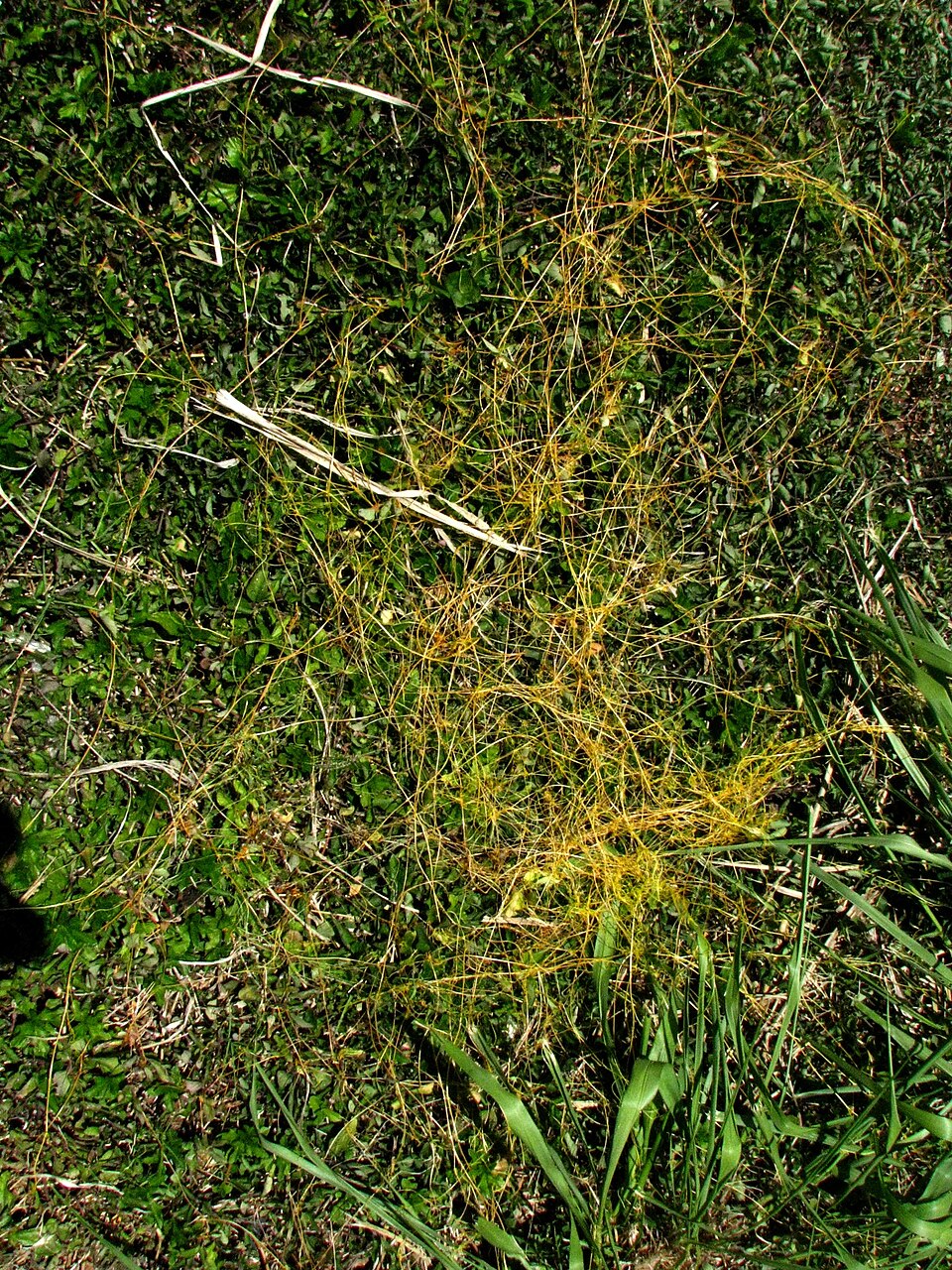
© David Eickhoff from Pearl City, Hawaii, USA, some rights reserved (CC-BY) · Wikimedia Commons
Megathyrsus, Genus, maximus, Species,
- Genus & species
guinea grass
Overview
Megathyrsus maximus is a tall, tussock-forming perennial grass growing 3-10 feet (1-3 m) tall, with a clump of leafy stems rising from a short, knotty base. Leaf blades are flat, 12-40 inches (30-100 cm) long and 0.4-1.4 inches (1-3.5 cm) wide, mid-green, with a rough surface and a pale midrib. The flowering stems carry large, open, branched panicles 8-24 inches (20-60 cm) long bearing many small spikelets that ripen pale brown and shed wind- and animal-dispersed seed. Flowering occurs through the warm months. Growth is fast in warm, moist conditions, and clumps can build up large amounts of leaf in a single wet season. The plant regrows quickly after cutting or grazing and reproduces freely by seed. It is widely used as a pasture and forage grass and has naturalised across northern and eastern Australia, where it spreads into disturbed ground, roadsides, and riparian zones and is listed as an environmental weed in several regions. Foliage browns and dies back in cold or dry conditions and regrows from the base.
Native Range
Native to tropical and subtropical Africa and the Arabian Peninsula. Introduced to Australia and other warm regions as a pasture grass, it has naturalised across northern and eastern Australia, particularly in Queensland and the Northern Territory, and grows on a wide range of soils in disturbed, open, and riparian sites in warm climates.Suggested Uses
Used as a pasture and forage grass for grazing livestock in warm regions, sown at wide spacing in improved pasture. In gardens its tall clumps are sometimes grown as a fast screen, though its seeding habit and weed status limit such use in many areas. Cut foliage is used as mulch and green feed.How to Identify
Appearance
Size & Dimensions
Height3' - 10'
Width/Spread2' - 5'
Bloom Information
Flowers through the warm months, mainly from summer into autumn, with peak seeding in the wet season in tropical areas. The open panicles ripen pale brown and shed large amounts of seed over several weeks. In frost-free areas flowering can continue for much of the year where moisture is available.
Detailed Descriptions
Foliage Description
mid-greenGrowing Conditions
Sun Requirements
Requires 5-12 hours of direct sunlight daily
• Full Sun: 6+ hours of direct sunlight
• Partial Shade: 3-6 hours of direct sunlight
• Full Shade: Less than 3 hours of direct sunlight
Care & Maintenance
Care Guide
Grows in full sun to part shade on a wide range of soils and tolerates heat, seasonal drought, and regular cutting once established. Growth is fast in warm, moist conditions, and clumps spread by seed into surrounding ground. It is frost-sensitive, with foliage dying back in cold conditions and regrowing from the base in spring. Because it seeds freely and naturalises readily, it can spread beyond planted areas and is managed as a weed in many natural and riparian settings. Removal of seed heads before they ripen limits spread.Pruning
Cutting or slashing through the growing season removes bulk leaf and seed heads and triggers fresh regrowth from the base. Removing flower heads before seed ripens limits self-seeding and spread. The clump regrows quickly after being cut low.Pruning Schedule
Prune: November–January
summer