Malacothamnus, Genus, spp., Multiple species,
- Genus
- Multiple species
bushmallows
Overview
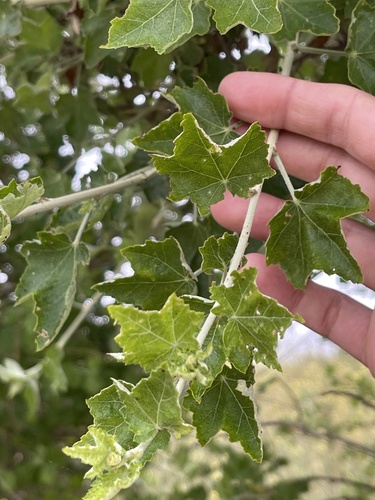
Malacothamnus is a genus of about 20 species of soft-wooded, fast-growing shrubs in the mallow family, native to California and Baja California. Plants form erect, multi-stemmed clumps 3 to 12 feet (0.9 to 3.7 m) tall, with stems and gray-green leaves densely covered in branched (stellate) hairs that give the foliage a soft, felted, grayish look. From late spring into summer the upper stems carry clusters and narrow spikes of cup-shaped mallow flowers about 1 inch (2.5 cm) across, in shades of pink, mauve, and lavender. Many species are fire-followers, appearing in abundance from long-buried seed after wildfire and fading as the chaparral closes over again. The genus is drought-tolerant and root-spreading, forming colonies that can spread by underground runners, and the soft stems are short-lived and can look untidy by late summer.
Native Range
Malacothamnus is native to California and northwestern Baja California, where it grows in chaparral, coastal scrub, and oak woodland, often on dry slopes and in canyons. Many species occur on disturbed and recently burned ground. Several have very small natural ranges and are rare in the wild.Suggested Uses
Grown in native plant gardens, dry slopes, and habitat plantings, and used for quick cover and erosion control on banks. The flowers support native bees and butterflies. Plants are spaced 4 to 6 feet (1.2 to 1.8 m) apart and given room for their spreading roots.How to Identify
Appearance
Size & Dimensions
Height3' - 12'
Width/Spread3' - 8'
Bloom Information
Detailed Descriptions
Flower Description
pink, mauve, and lavenderFoliage Description
gray-greenGrowing Conditions
Sun Requirements
Requires 6-10 hours of direct sunlight daily
• Full Sun: 6+ hours of direct sunlight
• Partial Shade: 3-6 hours of direct sunlight
• Full Shade: Less than 3 hours of direct sunlight
Care & Maintenance
Care Guide
Plants grow in full sun and well-drained soil, including dry, rocky, and clay ground, and need little or no summer water once established. Excess summer irrigation shortens the life of these naturally drought-adapted shrubs. The soft stems grow fast and can be cut back hard to keep plants dense and within bounds. Plants spread by root runners and may send up shoots away from the original clump. Rust and whitefly occur but are seldom serious.Pruning
Pruning is done after flowering or in late winter, cutting the soft stems back by one-third to one-half to keep plants compact and to renew growth. Old, woody, or sprawling stems are removed at the base. Plants tolerate hard renewal pruning.Container Growing
Suitable for container growing
Minimum container size: 3 gallons
