Macaranga, Genus, spp., Multiple species,
- Genus
- Multiple species
macaranga
Paleotropics (Africa, Asia, Australia, Pacific)
Overview
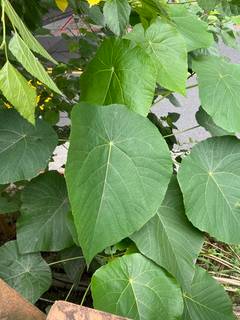
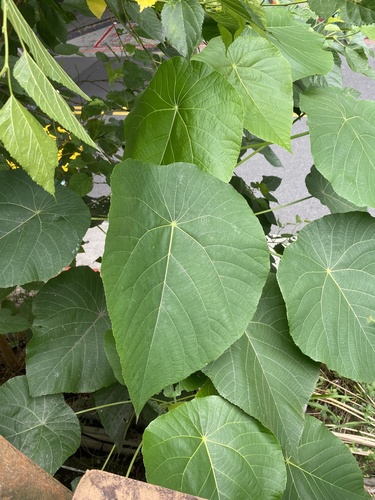
Macaranga is a large genus of about 250 to 300 species of evergreen trees and shrubs in the spurge family (Euphorbiaceae), distributed through the tropics of Africa, southern and southeastern Asia, Australia, and the Pacific islands. Most are fast-growing pioneer plants that colonize rainforest clearings, roadsides, and disturbed ground, ranging from shrubs to canopy trees 30 to 80 feet (9 to 24 m) tall. The leaves are often large and peltate, with the stalk attached inside the blade margin, and many are rounded or shallowly lobed. Plants are dioecious, carrying small petalless male and female flowers in branched clusters, followed by small capsules. A number of species are ant-plants, with hollow stems and nectar glands that house and feed colonies of ants in exchange for protection against herbivores. M. tanarius is widely grown and naturalized, while M. gigantea bears very large leaves to 2 feet (60 cm) across. The genus grows in warm, humid, frost-free climates in moist, fertile soil. Rapid growth comes with soft, weak wood and a short lifespan in many species.
Native Range
Native to the paleotropics, spanning west and central Africa, Madagascar, India, Southeast Asia, Malesia, northern Australia, and the western Pacific. Species are common pioneers in lowland and montane tropical rainforest.Suggested Uses
Grown in tropical gardens and parks for quick shade and screening, and used in reforestation and as a nurse crop to shelter slower rainforest species. The leaves and seeds feed birds and insects. Some species are grown for soft timber, pulp, and traditional medicine.How to Identify
Appearance
Size & Dimensions
Height30' - 80'
Width/Spread20' - 50'
Bloom Information
Flowering occurs through much of the year in the wet tropics, with peaks tied to local rainfall rather than a fixed season. The small green to yellowish flowers are wind- or insect-pollinated and are not showy. Capsules ripen within a few months and release seeds taken by birds and ants.
Detailed Descriptions
Flower Description
green to yellowishFoliage Description
greenGrowing Conditions
Sun Requirements
Requires 6-12 hours of direct sunlight daily
• Full Sun: 6+ hours of direct sunlight
• Partial Shade: 3-6 hours of direct sunlight
• Full Shade: Less than 3 hours of direct sunlight