Ligusticum, Genus, scoticum, Species,
- Genus & species
scots lovage
Overview
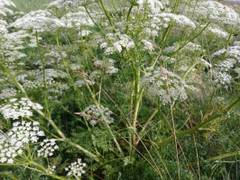
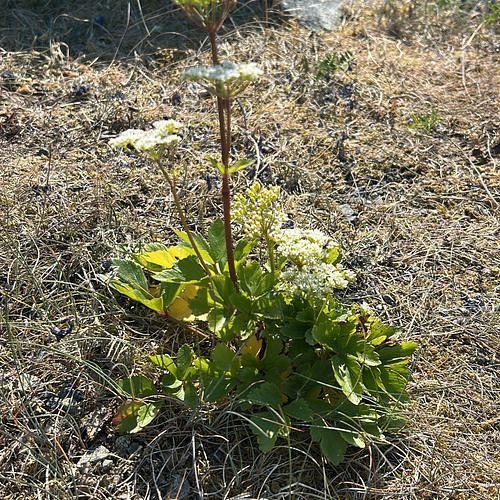
Ligusticum scoticum is a clump-forming herbaceous perennial in the carrot family, growing 12-24 inches (30-60 cm) tall. The leaves are twice-divided into three glossy, dark green, toothed leaflets 1.5-3 inches (4-7.5 cm) long, carried on reddish, sheathing stalks. From June through July, compound umbels of small white flowers 1.5-3 inches (4-7.5 cm) across open at the stem tips, followed by ribbed, oblong seeds that ripen brown. The whole plant has a celery-like scent and flavor and grows from a stout taproot. It is native to cool northern coasts and tolerates salt spray and sandy, gravelly soils. Growth is slow, and the taproot does not transplant well once mature. Foliage dies back to the crown in winter.
Native Range
Native to the cool coasts of the North Atlantic, including northern Britain, Scandinavia, Iceland, and northeastern North America from Labrador to New York. Grows on sea cliffs, shingle beaches, and rocky shorelines in full sun, often within reach of salt spray.Suggested Uses
Planted in coastal gardens, gravel gardens, and herb plantings at 12-15 inch (30-38 cm) spacing. Young leaves and stalks are used as a celery-flavored herb. Its need for cool, maritime conditions limits its use in warm inland gardens.How to Identify
Appearance
Size & Dimensions
Height1' - 2'
Width/Spread1' - 1'6"
Bloom Information
Flowers from June through July, with bloom lasting about 3-4 weeks. White umbels give way to ribbed brown seeds by late summer. Flowering is later in the coldest parts of its range.
Detailed Descriptions
Foliage Description
Glossy dark greenGrowing Conditions
Sun Requirements
Requires 4-10 hours of direct sunlight daily
• Full Sun: 6+ hours of direct sunlight
• Partial Shade: 3-6 hours of direct sunlight
• Full Shade: Less than 3 hours of direct sunlight
Care & Maintenance
Care Guide
Grows in full sun to part shade in moist, well-drained sandy or gravelly soil and tolerates salt spray and coastal exposure. Performs poorly in hot, dry inland sites and in heavy, waterlogged soils. Water during dry spells until the taproot establishes. The plant is slow to settle and the taproot does not transplant well once mature. Few pests trouble it in cool maritime conditions. Foliage dies back to the crown in winter and reappears in spring.Pruning
Remove spent flower stems after seed ripens if self-seeding is not wanted, or leave them to drop seed. Cut dead foliage to the base in late autumn or early spring. No other pruning is needed.Pruning Schedule
Prune: March & November
fallearly spring
Container Growing
Suitable for container growing
Minimum container size: 3 gallons