Leucothoe, Genus, fontanesiana, Species,
- Genus & species
Drooping leucothoe
Southern Appalachian Mountains of the southeastern United States
Overview
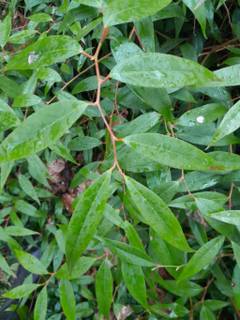
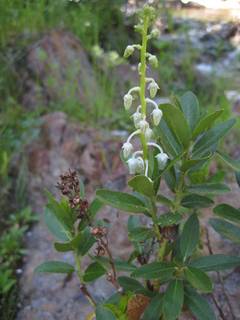
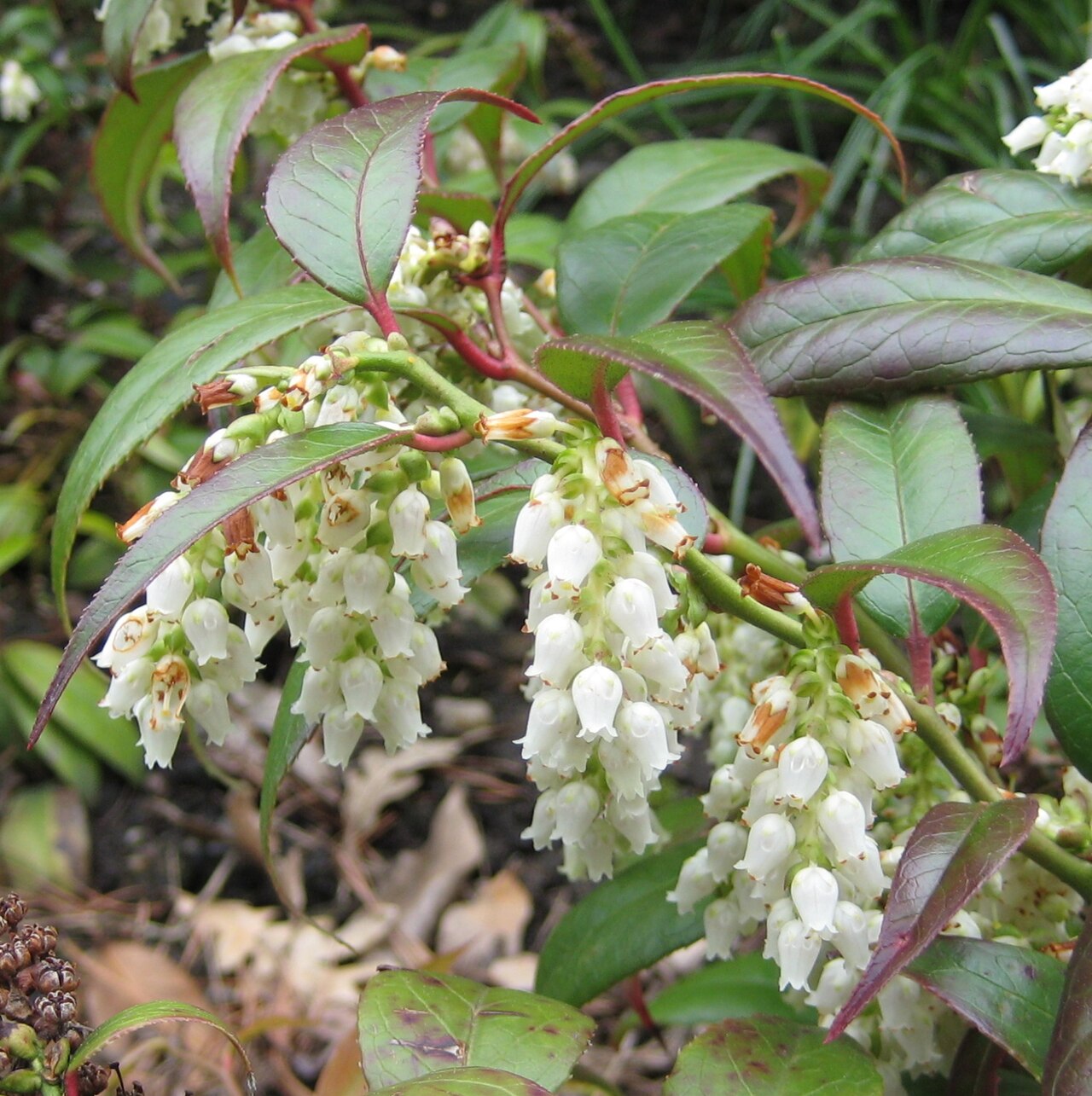
Leucothoe fontanesiana is an evergreen shrub 3-5 feet (90-150 cm) tall and 3-6 feet (90-180 cm) wide, built from arching cane-like stems that rise from a suckering base and lean outward rather than upright. Leaves are alternate, lanceolate, 2-6 inches (5-15 cm) long, leathery, and dark green above, with a finely toothed margin drawn out to a long tapered point; new shoots emerge bronze-red and mature growth takes bronze-purple tones through winter where light reaches it. White urn-shaped flowers 0.25 inch (6 mm) long hang in axillary racemes 2-3 inches (5-8 cm) long along the undersides of the previous season canes in April and May, followed by dry brown capsules that hold into winter. Colonies widen by 6-12 inches (15-30 cm) a year on moist ground. Foliage scorches at the margins in full sun, in drying winter wind, and in soil that dries out, and plants in still, crowded air are prone to Cercospora leaf spot that strips the lower stems. All parts contain grayanotoxins, which cause vomiting and cardiac effects in livestock, pets, and people. Hardy in USDA zones 5-8.
Native Range
Leucothoe fontanesiana is native to the southern Appalachian Mountains, from southwestern Virginia through eastern Tennessee, western North Carolina, and upstate South Carolina into northern Georgia. It grows along shaded streambanks, seepage slopes, and cove forest understorey between about 1,500 and 4,500 feet (450-1,370 m), on acidic soils that stay damp year round. Dense thickets on steep creek banks are the source of the name doghobble.Suggested Uses
Used as an evergreen underplanting beneath rhododendrons, pines, and oaks, along shaded north-facing foundations, and on shaded slopes where the suckering habit binds soil. Spacing of 4-5 feet (1.2-1.5 m) gives a massed groundcover-scale planting, while single plants set at the top of a retaining wall let the canes arch over the face. Cut stems 18-24 inches (45-60 cm) long hold their leaves about two weeks in water.How to Identify
Appearance
Size & Dimensions
Height3' - 5'
Width/Spread3' - 6'
Bloom Information
Racemes open over two to three weeks in April at lower elevations and in May above about 3,000 feet (900 m). Flowers form on wood produced the previous summer, so cutting whole canes in late winter removes that season bloom. The scent is heavy and musky at close range and carries 3-6 feet (1-2 m) on still, warm days. Honeybees and small solitary bees work the pendent corollas from below.
Detailed Descriptions
Foliage Description
Dark green above, paler beneath, bronze-red on new growth and bronze-purple in winter sunGrowing Conditions
Sun Requirements
Requires 2-4 hours of direct sunlight daily
• Full Sun: 6+ hours of direct sunlight
• Partial Shade: 3-6 hours of direct sunlight
• Full Shade: Less than 3 hours of direct sunlight
Care & Maintenance
Care Guide
The species grows in part shade to full shade, with two to four hours of filtered morning sun tolerated where soil stays damp. Soil needs to be acidic at pH 4.5-6.0, high in organic matter, and evenly moist without standing wet; above about pH 6.5 interveinal chlorosis appears within a season. Roots occupy the top 8-12 inches (20-30 cm) of soil, so a 2-3 inch (5-8 cm) mulch of pine bark or pine needles plus roughly 1 inch (2.5 cm) of water per week through dry spells holds the plant steady. An acid-forming fertiliser supplying 0.1 pound of nitrogen per 100 square feet (50 g per 9 sq m) once in early spring covers the season. Spacing of 4-5 feet (1.2-1.5 m) between plants keeps air moving through the canes and lowers Cercospora leaf spot pressure. Winter sun on frozen ground bronzes and scorches exposed foliage in zone 5.Pruning
One-third of the oldest canes are cut to ground level immediately after flowering in May or June, which renews the arching framework and opens the interior to moving air. Winter-damaged and leaf-spotted canes come out at the base at the same time. Shearing the outline leaves stub ends and congested regrowth, and cutting after midsummer removes the flower buds already set for the following spring.Pruning Schedule
Prune: May–June
late spring