Leschenaultia, Genus, spp., Multiple species,
- Genus
- Multiple species
leschenaultia
Australia (mainly south-western Western Australia)
Overview
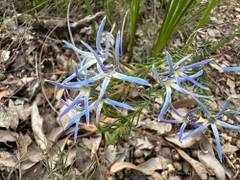
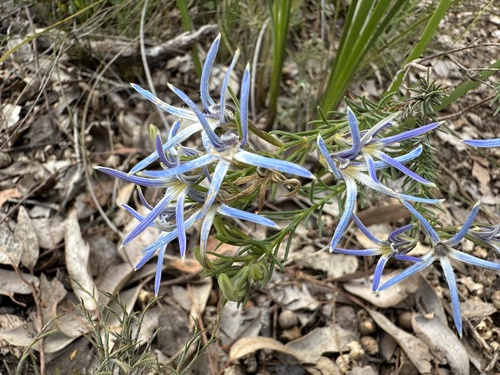
Leschenaultia is a genus of about 26 herbs and small shrubs in the family Goodeniaceae, almost all native to Australia and concentrated in the south-west of Western Australia. Plants range from low, spreading subshrubs to small upright shrubs 10-100 cm (4-40 in) tall, with small narrow leaves crowded along the stems. The flowers are fan-shaped, with petals winged and split into lobes, and come in clear blue, red, orange, yellow, and white depending on species. L. biloba, blue leschenaultia, bears intense sky-blue flowers, while L. formosa, red leschenaultia, produces red to orange blooms. Flowering is mainly in late winter and spring. The genus grows in heath, shrubland, and open woodland on sandy and gravelly, often nutrient-poor soils. Many species are short-lived and adapted to dry summers, performing as compact plants where drainage is sharp. They are sensitive to high phosphorus and to wet, heavy soils, which can cause rapid collapse. In cultivation several species are grown as container or rockery plants, though they often need replacing after a few years.
Native Range
Leschenaultia is almost entirely native to Australia, with the great majority of species in south-western Western Australia and a few extending to the arid interior and northern Australia. Plants grow on sandy and gravelly soils in heath and shrubland.Suggested Uses
Grown in native gardens, rockeries, containers, and as seasonal colour in water-wise plantings. The low, spreading species are used as groundcover and in hanging displays, with plants spaced 0.3-0.6 m (1-2 ft) apart.How to Identify
Appearance
Size & Dimensions
Height4" - 3'4"
Width/Spread8" - 3'4"
Colors
Bloom Information
Flowering is mainly in late winter and spring, roughly July to November, with some species flowering over a longer period in mild conditions. The fan-shaped flowers open over many weeks. Bloom is heaviest where summers are dry and drainage is sharp.
Detailed Descriptions
Flower Description
blue, red, orange, yellow, or whiteFoliage Description
green to grey-greenGrowing Conditions
Sun Requirements
Requires 5-10 hours of direct sunlight daily
• Full Sun: 6+ hours of direct sunlight
• Partial Shade: 3-6 hours of direct sunlight
• Full Shade: Less than 3 hours of direct sunlight
Care & Maintenance
Care Guide
Plants grow in full sun to light shade and require sharp drainage in sandy or gravelly soil. They are sensitive to phosphorus, so low-phosphorus native fertilizers are used in place of standard feeds. Established plants tolerate dry summers and decline quickly in heavy or wet soils. Many species are short-lived and are renewed every few years from seed or cuttings. Good airflow and lean soil reduce the risk of fungal collapse.Pruning
A light trim after flowering keeps plants compact and can prolong their useful life. Cutting into bare old wood is generally unproductive. Spent flowers need no removal.Container Growing
Suitable for container growing
Minimum container size: 2 gallons