Overview
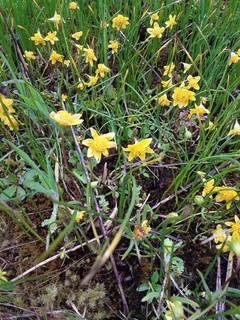
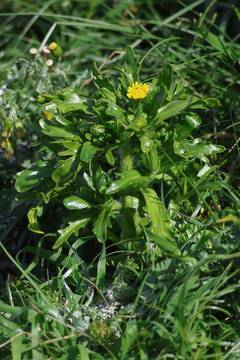
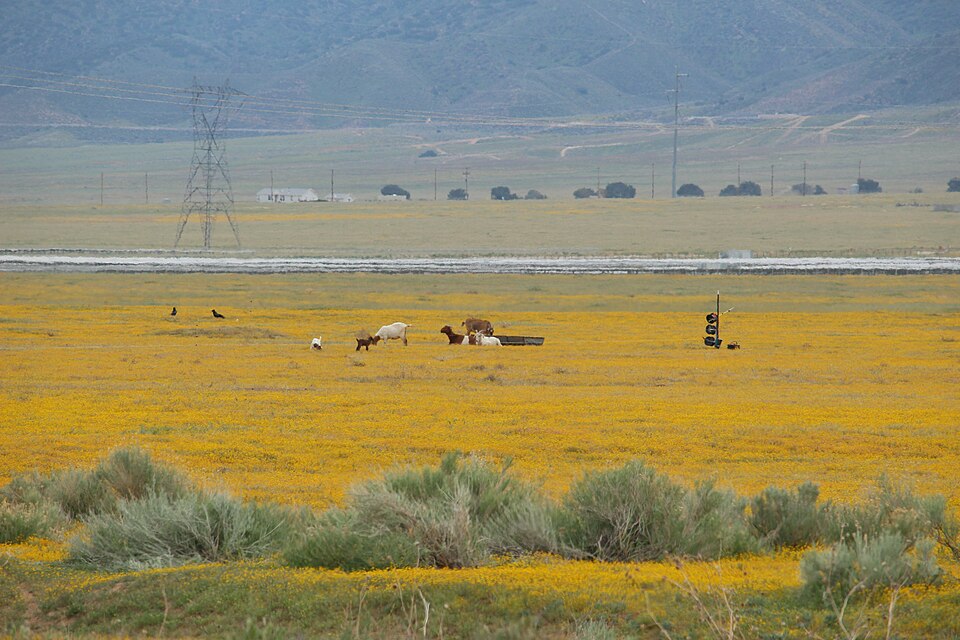
Lasthenia gracilis is a slender annual reaching 4-12 inches (10-30 cm) tall, with a simple or branched stem. Leaves are opposite, narrow and linear, 0.4-2.4 inches (1-6 cm) long, sometimes slightly hairy. Each stem tip carries a single flower head 0.4-0.6 inch (1-1.5 cm) across, with 6-13 golden-yellow ray florets surrounding a yellow disk. Bloom occurs from March through May, and in years of good rainfall plants germinate in large numbers, covering open ground in sheets of yellow. The fruit is a narrow achene. The plant completes its cycle in one season, sprouting after winter rain, flowering in spring, and dying as the soil dries in early summer. Roots are shallow and fibrous. Stands vary widely from year to year with rainfall; in dry years few plants appear and bloom is sparse.
Native Range
Native to western North America, from Oregon and California south into Baja California and east to Arizona. Grows in open grasslands, vernal pool margins, coastal bluffs, and disturbed ground on a range of soils, from sea level to about 5,000 feet (1,500 m).Suggested Uses
Sown in meadow and wildflower plantings, native restorations, and seasonal containers, broadcast at roughly 1 gram of seed per 10 square feet (1 square meter). Suited to areas that can be left unirrigated through summer; it does not persist in regularly watered beds. Reseeds where the soil is left undisturbed.How to Identify
Appearance
Size & Dimensions
Height4" - 1'
Width/Spread2" - 6"
Bloom Information
Flowers from March through May, with peak bloom in April in most of California. Individual heads last 1-2 weeks; a stand blooms for 4-6 weeks before setting seed. Bloom timing and density track winter and early-spring rainfall, shifting earlier in warm, wet years.
Detailed Descriptions
Foliage Description
greenGrowing Conditions
Sun Requirements
Requires 6-12 hours of direct sunlight daily
• Full Sun: 6+ hours of direct sunlight
• Partial Shade: 3-6 hours of direct sunlight
• Full Shade: Less than 3 hours of direct sunlight
Water & Climate
Water Needs
Drought Tolerance
Drought tolerant when established
Care & Maintenance
Care Guide
Grows in full sun on open ground that is moist in winter and spring and dry in summer. As an annual it depends on self-seeding and needs no long-term care. Seedlings emerge after autumn and winter rains and require no irrigation in their native climate. Summer water and rich soil favor competing grasses that shade out the seedlings. There are no significant pests or diseases. Plants tolerate seasonally saturated soils around vernal pools as well as drier slopes.Pruning
No pruning is applicable. The annual plants are left in place to set and shed seed, which sustains the stand. Dried stems break down after the plants die in early summer.Container Growing
Suitable for container growing
Minimum container size: 1 gallons
Toxicity
Non-toxicPlanting Guide
Planting Methods & Timing
Planting Method
direct sow
Direct Sow Timing
Sow in autumn for spring bloom
Days to Maturity
60–120 days
Plant Spacing
4 inches