Lagunaria, Genus, spp., Multiple species,
- Genus
- Multiple species
Norfolk Island, Lord Howe Island, coastal eastern Australia
Overview
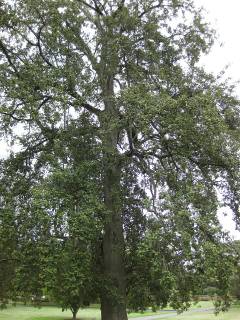
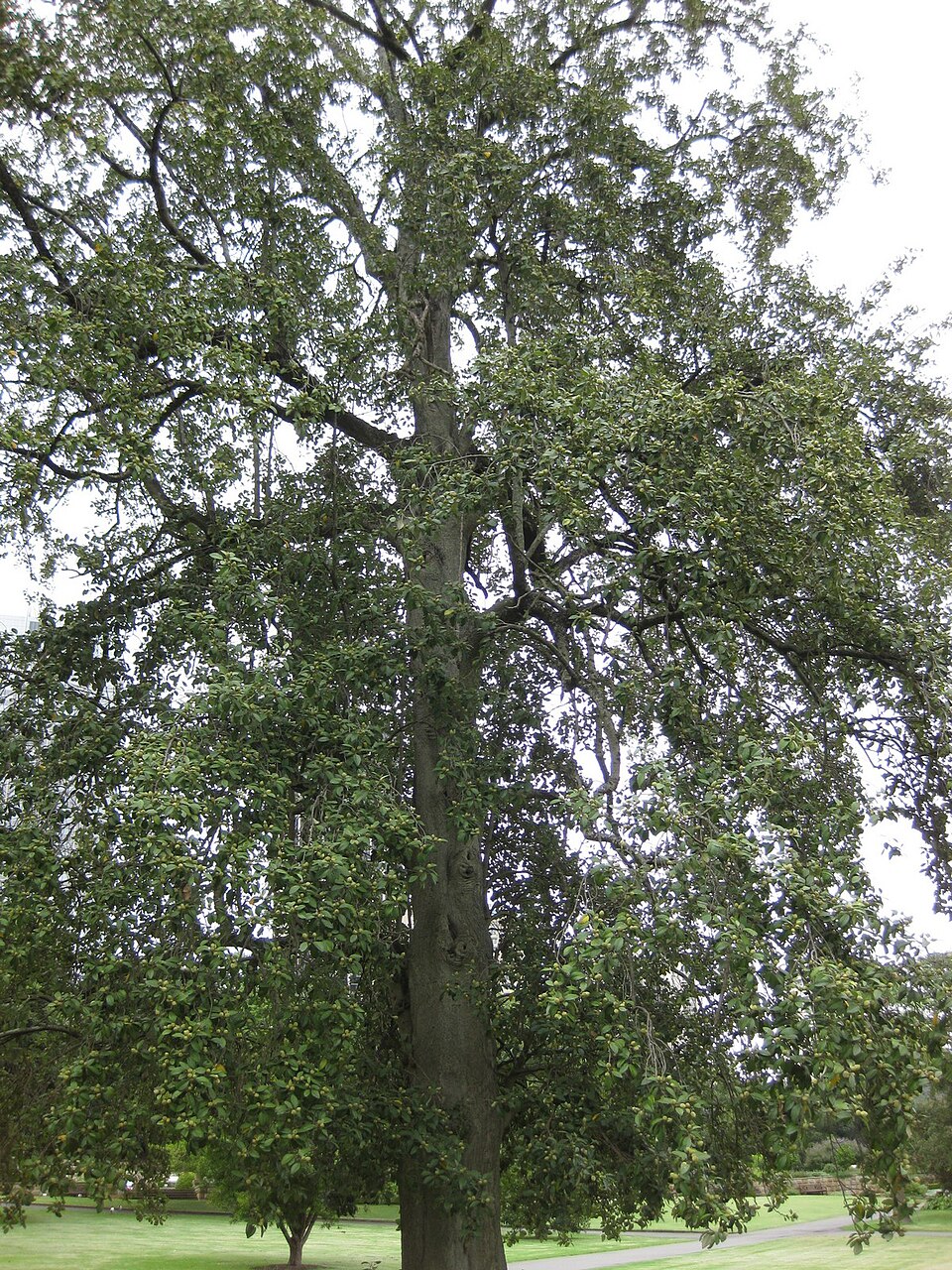
Lagunaria is a genus of one or two evergreen trees in the mallow family, Malvaceae, native to Norfolk Island, Lord Howe Island, and parts of coastal eastern Australia. Lagunaria patersonia grows as a dense, upright, pyramidal tree 20-50 feet (6-15 m) tall with grey bark and leathery, oval, grey-green leaves 2-4 inches (5-10 cm) long that are paler and slightly felted beneath. Through summer it carries five-petalled, hibiscus-like flowers 1.5-2.5 inches (4-6 cm) across that open pale pink and age to rose. The flowers give way to woody, five-valved seed capsules holding orange-brown seeds packed among stiff, irritant fibres that cause itching on skin contact, the source of the name cow itch tree. Lagunaria tolerates salt spray, coastal wind, and poor sandy soil, which makes it a common seafront and street tree in mild climates, but it is frost-tender and the bristly capsules are a drawback near paths and play areas.
Native Range
Lagunaria is native to Norfolk Island and Lord Howe Island in the South Pacific and to coastal districts of Queensland in eastern Australia. It grows naturally on sheltered and exposed coasts, tolerating salt-laden wind, and is now planted widely in warm coastal regions worldwide.Suggested Uses
Lagunaria is used as a coastal street, park, and shade tree, a windbreak, and a specimen in seaside gardens in mild climates. Its salt and wind tolerance suit exposed seafront sites where many trees struggle. The irritant seed capsules and frost sensitivity make it less suited to small gardens, play areas, and cold-winter regions.How to Identify
Appearance
Size & Dimensions
Height20' - 50'
Width/Spread12' - 25'
Colors
Bloom Information
Flowering occurs through summer, mainly from November to February in its native range and in southern-hemisphere gardens, and over the northern summer where it is grown north of the equator. Trees bloom over several weeks. Flowering is heaviest on plants in full sun and warm conditions.
Detailed Descriptions
Flower Description
pale pink to roseFoliage Description
gray-greenGrowing Conditions
Sun Requirements
Requires 6-12 hours of direct sunlight daily
• Full Sun: 6+ hours of direct sunlight
• Partial Shade: 3-6 hours of direct sunlight
• Full Shade: Less than 3 hours of direct sunlight
Care & Maintenance
Care Guide
Plants grow in full sun on free-draining sandy or loamy soils and tolerate salt spray, coastal wind, and short dry spells once established. Young trees need regular water to establish but become drought-tolerant with age. The species is frost-tender, withstanding only brief, light frost near 28F (-2C), and is grown in mild, frost-free or near-frost-free climates. The seed capsules release irritant hairs when they split, which can cause skin and eye irritation during cleanup. Trees are otherwise low-maintenance and stand up to wind and coastal exposure. Growth is moderately fast in warm conditions.Pruning
Little pruning is needed beyond shaping young trees and removing dead or crossing branches in late winter or early spring. The naturally dense, pyramidal form needs little correction. Removing developing seed capsules reduces the irritant fibres dropped near paths and seating.Pruning Schedule
Prune: February–March
winterearly spring