Krascheninnikovia, Genus, spp., Multiple species,
- Genus
- Multiple species
Arid Northern Hemisphere (western North America; Eurasia)
Overview
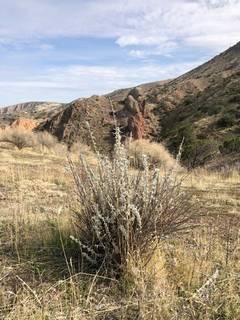
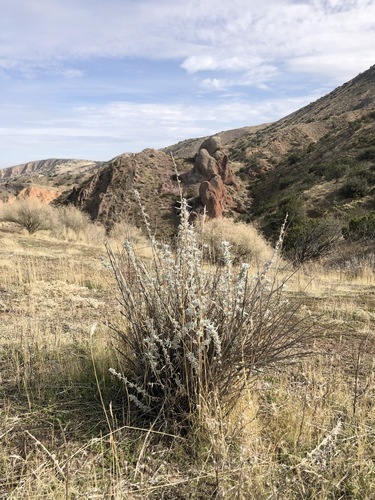
Krascheninnikovia is a small genus of low, woody shrubs and subshrubs in the family Amaranthaceae, native to the dry steppes, deserts, and rangelands of the Northern Hemisphere. The two main species, K. lanata of western North America and K. ceratoides of Eurasia, grow 1-3 feet (30-90 cm) tall in dense, branching, grey clumps. The narrow leaves, 0.4-1.5 inches (1-4 cm) long, are rolled at the edges and densely coated, like the young stems, in white to rust star-shaped hairs that give the plant a soft, woolly, silver-grey look. Tiny, petal-less flowers form in late summer; male and female flowers are separate, and the female flowers ripen into seeds wrapped in long, white-woolly bracts that cover the stems in fluffy tufts through autumn and winter. Krascheninnikovia withstands cold, drought, salinity, and poor alkaline soils and is grazed by livestock and wildlife as winter forage, the source of the name winterfat. It is short-lived on heavy, wet ground and slow to recover from severe overgrazing.
Native Range
Krascheninnikovia is native across the cold, arid interior of the Northern Hemisphere. K. lanata ranges through the western United States, western Canada, and northern Mexico, while K. ceratoides spreads from southeastern Europe across central Asia to China. Plants grow on dry plains, desert flats, alkaline basins, and rocky slopes.Suggested Uses
Krascheninnikovia is used in dryland and native plantings, rangeland restoration, and erosion control on arid, alkaline soils, and as winter forage for livestock and wildlife. Its woolly autumn seed tufts add cool-season texture to low-water gardens. It is unsuited to moist, rich, or poorly drained sites and to humid climates.How to Identify
Appearance
Size & Dimensions
Height1' - 3'
Width/Spread1' - 3'
Colors
Bloom Information
The inconspicuous, petal-less flowers open in mid to late summer, roughly July to September. The female flowers then develop into long-haired fruits, so the main visible feature is the white-woolly seed display of autumn rather than the flowers themselves. The fruiting tufts persist into winter.
Detailed Descriptions
Flower Description
greenish, inconspicuousFoliage Description
silver-gray to gray-greenGrowing Conditions
Sun Requirements
Requires 6-12 hours of direct sunlight daily
• Full Sun: 6+ hours of direct sunlight
• Partial Shade: 3-6 hours of direct sunlight
• Full Shade: Less than 3 hours of direct sunlight
Care & Maintenance
Care Guide
Plants grow in full sun on dry, well-drained, often alkaline or saline soils of low fertility, including sand, gravel, and clay loam. Established plants are deeply drought-tolerant and very cold-hardy, withstanding temperatures well below -20F (-29C). Wet, heavy, or poorly drained ground shortens their life and causes root rot. Little or no supplemental water is needed once plants are established in their native climate range. Cutting old plants back lightly in late winter encourages denser regrowth. Overgrazing or hard cutting into old wood weakens the plant, which recovers slowly.Pruning
A light trim in late winter or early spring removes old fruiting stems and keeps the clump dense. Cutting hard into bare old wood is avoided, as plants regrow slowly from it. Otherwise no routine pruning is needed.Pruning Schedule
Prune: February–March
winterearly spring