Image 1 of 8
1 / 8
Plant Reference
Kniphofia, Genus, hybrids, Species,
- Genus & species
torch lily, red hot poker
Genus {Kniphofia} contains approximately 70 species, almost all native to sub-Saharan Africa — primarily South Africa and Ethiopia; hybrid cultivars in garden cultivation are of garden origin; named after Johann Hieronymus Kniphof (1704-1763), a German physician and botanist
Overview
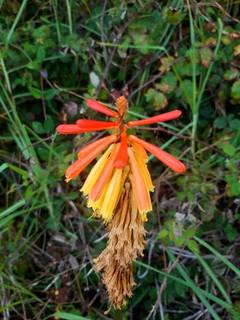
Kniphofia Hybrids (genus Kniphofia) are evergreen perennials reaching 24-60 inches (60-150 cm) tall with a spread of 18-36 inches (45-90 cm) and a clumping habit. The hybrid group carries dense cylindrical to conical flower spikes on tall stems from early summer through fall — upper unopened buds are orange-red to scarlet and lower open florets are yellow or cream, producing the bicolor torch effect that gives the common name torch lily. Single-color hybrids are also available in white, yellow, coral, or solid red. Mid- to dark green narrow strap-like arching leaves 18-36 inches (45-90 cm) long form the evergreen foliage mass. The leaf margins contain silica and carry serrated edges that can cut skin on direct contact, so protective handling with gloves is advisable during pruning and division. Growth rate is moderate. Hardy to USDA zone 5. The genus Kniphofia contains approximately 70 species, almost all native to sub-Saharan Africa and especially South Africa and Ethiopia, and was named after Johann Hieronymus Kniphof (1704-1763), a German physician and botanist. Hummingbird-visited — the plant is a major late-season nectar source and aligns with fall hummingbird migration in many North American zones. Root rot in heavy wet winter soil is the primary cause of loss; sharp drainage is the baseline requirement. Mildly toxic to dogs and cats. Evergreen foliage should not be cut back in winter — the leaves insulate the crown against frost. In the family Asphodelaceae (formerly Liliaceae).
Native Range
The genus Kniphofia contains approximately 70 species, almost all native to sub-Saharan Africa — primarily South Africa and Ethiopia. Hybrid cultivars in cultivation are of garden origin.Suggested Uses
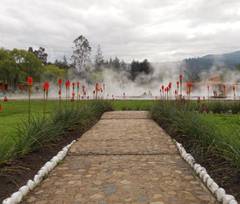
Used in mixed borders, mass plantings, and dry-garden plantings in zones 5-9 with adequate drainage. The bicolor torch spikes carry visual weight at a distance and pair with ornamental grasses, late-summer salvias, and rudbeckias for a warm-palette planting scheme. Hummingbird-visited status makes the genus one of the consistent fall nectar sources in a mixed planting. Sharp drainage requirement rules out wet-soil and heavy-clay positions. Serrated leaf margins rule out tight path-side or child-traffic positions where direct contact with the foliage is likely. The entry represents the hybrid group; individual cultivars vary in height, color, and bloom timing within the 2 ft to 5 ft (60-150 cm) range.How to Identify
Appearance
Size & Dimensions
Height2' - 5'
Width/Spread1'6" - 3'
Bloom Information
Dense cylindrical to conical flower spikes open from early summer through fall (June-September), across a 6-8 week bloom window per cultivar. Spikes may be bicolor (orange-red upper buds above yellow-cream lower florets) or a single solid color depending on the hybrid. Hummingbird-visited and a major late-season nectar source. Cut spent spikes to the base once florets have faded.
Detailed Descriptions
Flower Description
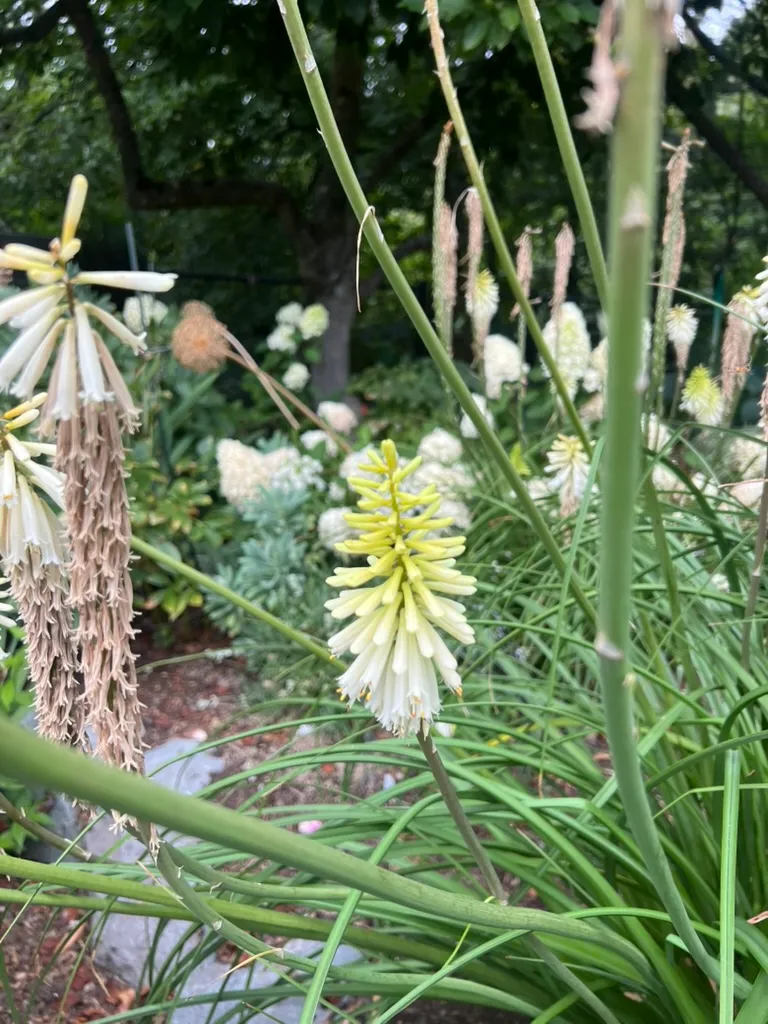
Dense cylindrical to conical flower spikes on tall stems — upper unopened buds orange-red to scarlet and lower open florets yellow or cream, producing a bicolor torch effect; single-color hybrids in white, yellow, coral, or solid redFoliage Description
Mid- to dark green narrow strap-like arching leaves 18-36 inches (45-90 cm) long forming an evergreen clump; leaf margins contain silica and carry serrated edges that can cut skin on direct contactGrowing Conditions
Sun Requirements
Requires 6-12 hours of direct sunlight daily
• Full Sun: 6+ hours of direct sunlight
• Partial Shade: 3-6 hours of direct sunlight
• Full Shade: Less than 3 hours of direct sunlight
Care & Maintenance
Care Guide
Grows in full sun (6+ hours of direct sun daily) in well-drained soil at pH 6.0-7.0. Hardy to USDA zone 5. Sharp drainage is the baseline — root rot in heavy wet winter soil is the primary cause of plant loss. Evergreen foliage holds through winter and should not be cut back in the dormant season; the leaves insulate the crown against frost. Serrated leaf edges contain silica and can cut skin, so gloves are advisable during any direct handling of the foliage. Drought tolerant once established. Mildly toxic to dogs and cats. Hummingbird-visited through late summer and fall.Pruning
Cut spent flower spikes to the base once the florets have faded. Remove tattered outer foliage in early spring (March); leaving the inner evergreen foliage in place protects the crown through the early-spring frost period. Cutting the entire clump to the ground in winter exposes the crown and often kills the plant — the evergreen habit requires a selective pruning approach rather than a general cut-back. Divide congested clumps in spring every 3-4 years.Pruning Schedule
Prune: March
early spring