Knautia, Genus, arvensis, Species,
- Genus & species
field scabious
Overview
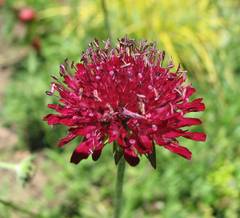
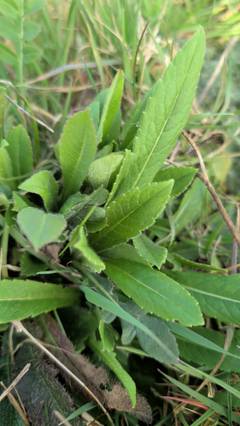
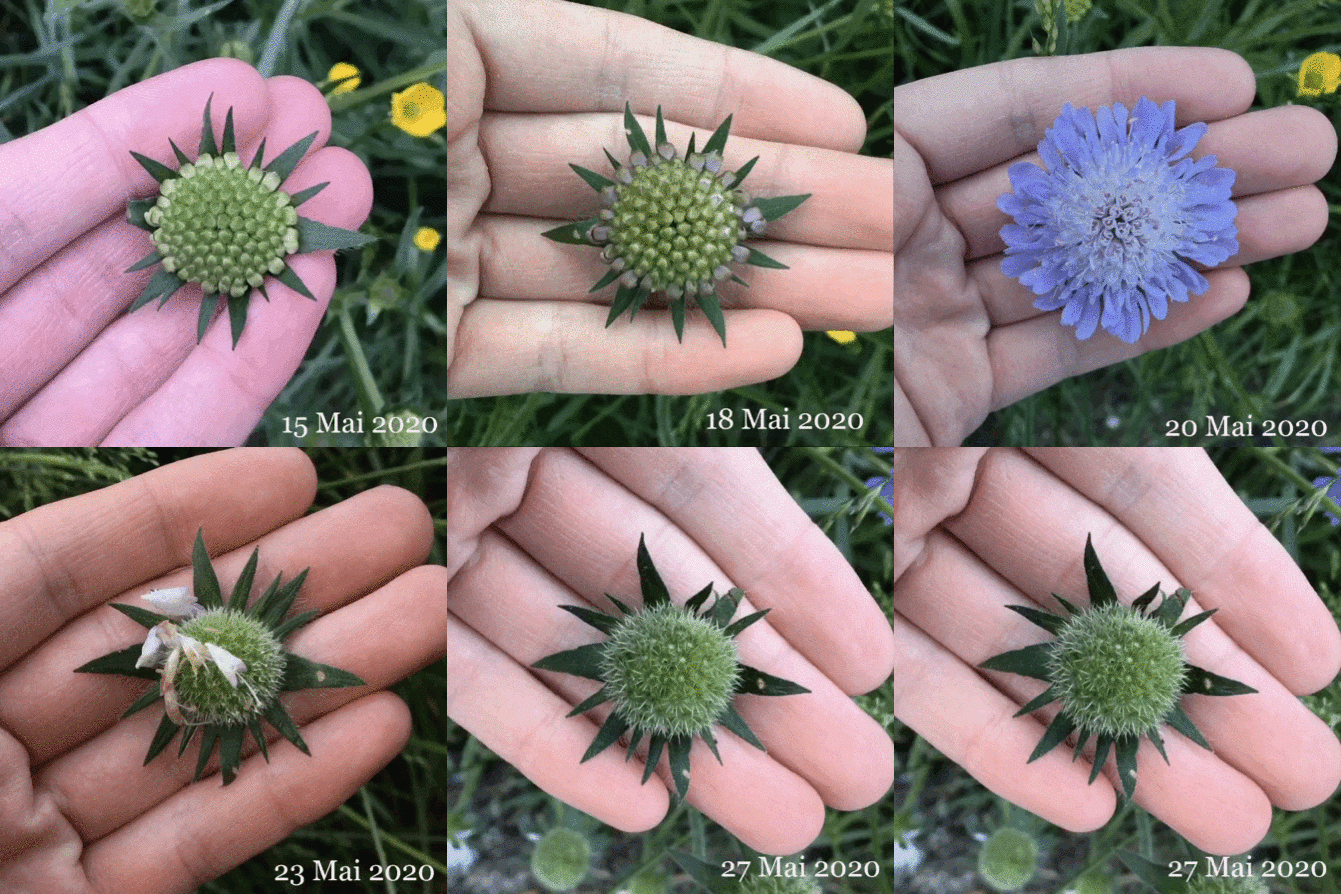
Knautia arvensis is a clump-forming perennial in the honeysuckle family, growing 1.5 to 3 feet (45-90 cm) tall from a basal rosette of hairy, lance-shaped leaves. The lower leaves are often entire while the upper stem leaves are deeply pinnately cut, and the whole plant is roughly hairy. Flat, domed flower heads 1-1.5 inches (2.5-4 cm) across appear from summer into early autumn, each a cluster of small lilac to blue-violet four-lobed florets with the outer ones enlarged, set on long, branching, wiry stems. The pincushion heads draw bees, butterflies, and hoverflies over a long season. The plant has a thick taproot, tolerates poor and dry soils, and self-sows on grassland, roadsides, and meadows across its range. After flowering it produces small dry nutlets, and the foliage dies back to the rosette in winter. In rich soil the wiry stems can flop and the plant may seed about more than wanted.
Native Range
Native to Europe and western Asia, from Britain and Scandinavia south to the Mediterranean and east to the Caucasus and Siberia. It grows in dry grassland, hay meadows, hedge banks, and roadsides, and has naturalized in parts of North America.Suggested Uses
Used in wildflower meadows, prairie-style plantings, and informal borders for its long bloom and pollinator value, spaced 12-18 inches (30-45 cm) apart. It combines with grasses and other meadow perennials. The flowers are cut for informal arrangements.How to Identify
Appearance
Size & Dimensions
Height1'6" - 3'
Width/Spread1' - 2'
Bloom Information
Detailed Descriptions
Flower Description
Lilac to blue-violetFoliage Description
GreenGrowing Conditions
Sun Requirements
Requires 6-12 hours of direct sunlight daily
• Full Sun: 6+ hours of direct sunlight
• Partial Shade: 3-6 hours of direct sunlight
• Full Shade: Less than 3 hours of direct sunlight