Inga, Genus, edulis, Species,
- Genus & species
ice cream bean
Overview
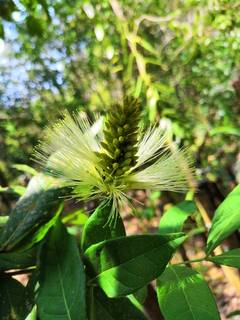
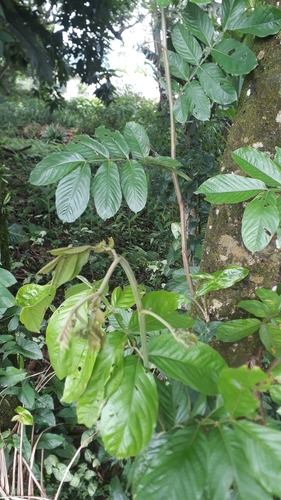
Inga edulis is a fast-growing semi-evergreen tropical tree reaching 30-60 feet (9-18 m) tall and 25-40 feet (7.5-12 m) wide, with a broad spreading crown. Bark grey-brown, smooth on young trees, becoming shallowly fissured with age. Foliage compound pinnate with 3-5 pairs of leaflets per leaf; leaflets oblong-elliptic, 3-7 inches (7.5-18 cm) long, with a pronounced winged rachis 0.2-0.4 inch (5-10 mm) wide between leaflet pairs. Foliage mid-green and slightly glossy, with leaflets folding at night (nyctinastic movement). White flowers in dense terminal clusters of 30-50 individual flowers; each flower carries 80-150 long white stamens 1.5-2.5 inches (4-6 cm), creating a powder-puff appearance. Fruits are cylindrical green pods 12-39 inches (30-100 cm) long and 1.5-2 inches (4-5 cm) in diameter, containing 8-20 black seeds embedded in white cotton-like sweet pulp. The pulp is the edible portion, eaten fresh; seeds are not consumed raw. Trees fix atmospheric nitrogen via root nodules with Rhizobium bacteria, adding 50-150 pounds (22-68 kg) of nitrogen per acre per year in plantation systems. Cold damage occurs at 28°F (-2°C); seedlings can be killed by even brief frost. Naturalized in some Caribbean and Pacific island ecosystems following commercial introduction as a shade tree.
Native Range
I. edulis is native to the Amazon basin and adjacent lowlands of Central and South America from Honduras south to Bolivia, growing in tropical lowland rainforests at 0-3,500 feet (0-1,070 m) elevation. Cultivated across the neotropics for shade in coffee and cocoa plantations and for the edible pulp of its pods. Naturalized populations occur outside the native range in Africa and parts of Southeast Asia.Suggested Uses
Grown as a shade tree in tropical home gardens at 25-30 foot (7.5-9 m) spacing in zones 10-11. Used in agroforestry as nitrogen-fixing canopy over coffee, cocoa, or cardamom understory; standard plantation spacing is 20 feet (6 m) on center. Container culture is workable in pots of 25 gallons (95 L) for short-term holding; container trees rarely fruit due to root restriction.How to Identify
Appearance
Size & Dimensions
Height30' - 60'
Width/Spread25' - 40'
Bloom Information
Flowering peaks April through July in equatorial regions, with secondary flushes in October-November where rainfall is bimodal. Subtropical Florida and southern California specimens flower mainly in summer (June-August). Individual flowers last 2-3 days; total bloom on a tree extends 4-6 weeks per flush. Pods develop over 12-16 weeks following pollination.
Detailed Descriptions
Flower Description
White (long stamens, powder-puff)Foliage Description
Mid-green, slightly glossy; leaflets fold at nightGrowing Conditions
Sun Requirements
Requires 4-12 hours of direct sunlight daily
• Full Sun: 6+ hours of direct sunlight
• Partial Shade: 3-6 hours of direct sunlight
• Full Shade: Less than 3 hours of direct sunlight
Care & Maintenance
Care Guide
Water deeply once weekly during the first 2 years at 5-10 gallons (19-38 L) per application; established trees tolerate 4-6 weeks without rain in well-drained tropical soils. As a nitrogen-fixing legume, I. edulis requires no nitrogen fertilizer once established; phosphorus and potassium supplementation supports pod production in heavy-bearing trees. Mealybugs and scale insects feed on young growth in greenhouse and stressed-plant conditions; ant tending of these pests is common in field plantings. Pod weevils may oviposit in developing pods; harvest pods at full size before they yellow to reduce loss. Mulch 3-4 inches (7.5-10 cm) deep with composted material around the root zone, with a 6 inch (15 cm) clearance from the trunk. Lifespan in cultivation is 25-40 years; trees senesce earlier under heavy fruit-bearing schedules.Pruning
Prune annually after harvest to remove dead wood, broken branches, and crossing limbs. Retain a single leader to a height of 8-12 feet (2.4-3.7 m), then allow lateral branching for crown development. In coffee shade systems, trees are pollarded every 2-3 years at 6-8 feet (1.8-2.4 m); pollarded trees regenerate rapidly and produce pods 12-18 months after the cut. Removing 25-30% of the canopy in late winter regulates pod load and prevents branch breakage.Pruning Schedule
Prune: January–February
winter