Indigofera, Genus, spp., Multiple species,
- Genus
- Multiple species
indigos
Tropical and southern Africa, Asia, Australia, and the Americas
Overview
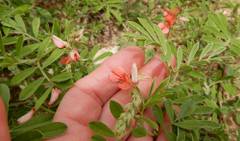
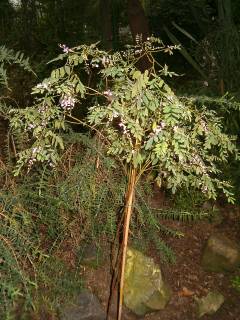
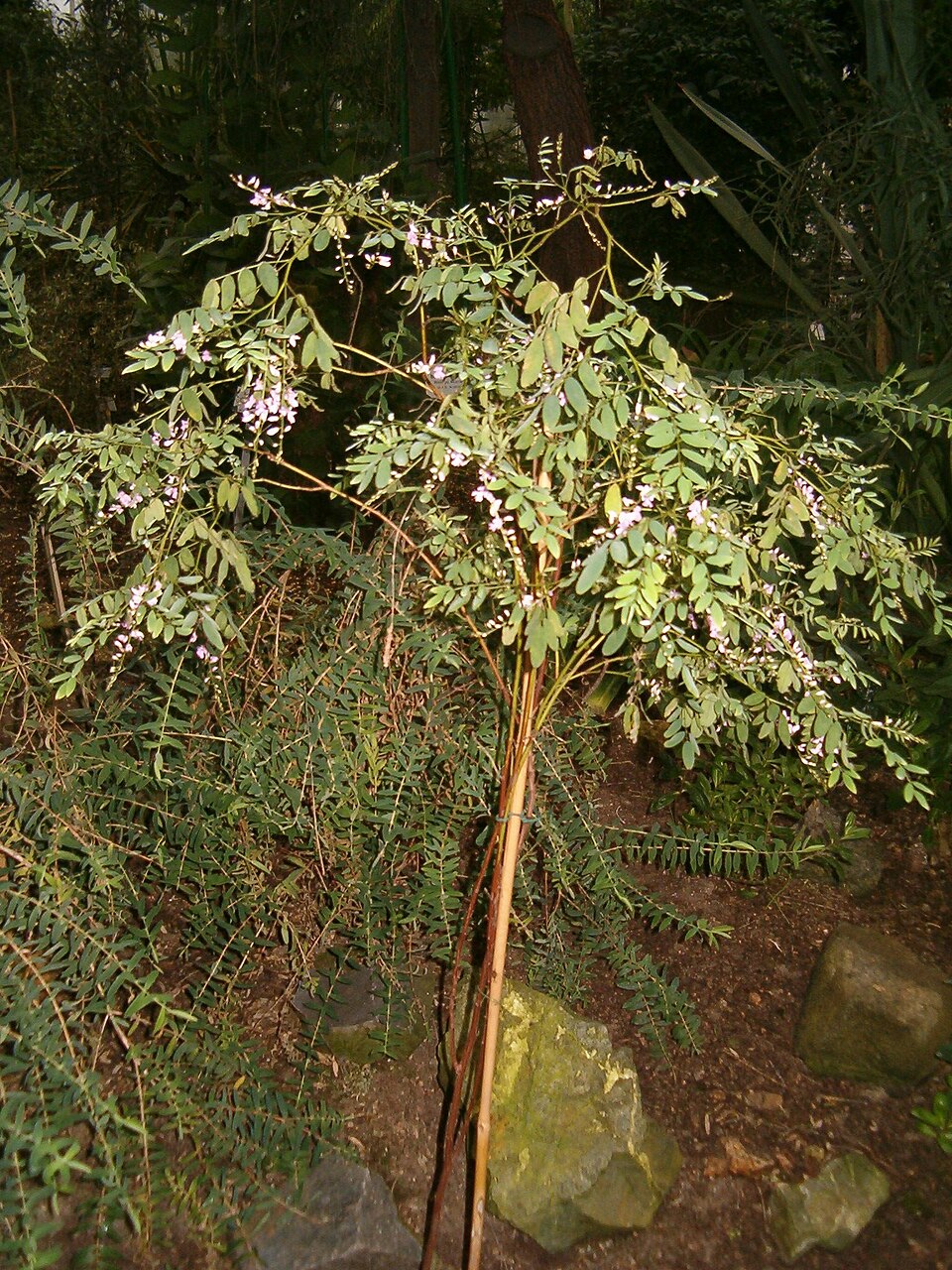
Indigofera is a genus of about 750 species of shrubs, subshrubs, and herbs in the legume family, Fabaceae, distributed across the tropics and subtropics of Africa, Asia, Australia, and the Americas, with the greatest diversity in Africa. Most species are shrubs 0.5-2 m (1.6-6.6 ft) tall, though some are low herbs and a few reach 3 m (10 ft). The leaves are usually pinnately compound with many small, often grey-green leaflets bearing flattened hairs that attach by their centers. Small pea-shaped flowers, in shades of pink, rose, purple, and red, are crowded into upright or arching racemes from the leaf axils. The fruit is a straight or curved pod containing several seeds. Two species, Indigofera tinctoria and I. suffruticosa, were long the main sources of natural indigo dye. As legumes, the plants fix nitrogen and improve poor soils, and several are grown as cover crops and green manure. Some species, such as I. spicata, contain the toxin indospicine and can poison grazing livestock, which restricts their use as forage.
Native Range
Indigofera is most diverse in tropical and southern Africa, with many species also in tropical Asia, Australia, and the Americas. Plants occupy grasslands, open woodland, scrub, and rocky slopes, mainly in warm, seasonally dry climates.Suggested Uses
Indigofera species are grown as flowering shrubs in warm and temperate gardens, as cover crops and green manure for their nitrogen fixation, and historically as the source of indigo dye. Some are used in erosion control and as forage, where non-toxic species are selected. Hardy shrubby species are planted in mixed borders and against warm walls.How to Identify
Appearance
Size & Dimensions
Height1'8" - 6'7"
Width/Spread2' - 6'
Bloom Information
Flowering occurs mainly in the warm or wet season, late spring through summer in temperate cultivation, with some tropical species blooming over much of the year. The small pea flowers open in succession along the raceme and draw bees. Pods ripen and dry weeks later, splitting to release seed.
Detailed Descriptions
Flower Description
Pink, rose, purple, redFoliage Description
Grey-green to greenGrowing Conditions
Sun Requirements
Requires 6-10 hours of direct sunlight daily
• Full Sun: 6+ hours of direct sunlight
• Partial Shade: 3-6 hours of direct sunlight
• Full Shade: Less than 3 hours of direct sunlight
Water & Climate
Water Needs
Drought Tolerance
Drought tolerant when established
Care & Maintenance
Care Guide
Most Indigofera species grow in full sun on free-draining sandy or loamy soils and tolerate heat, drought, and low fertility once established, aided by their nitrogen-fixing roots. Hardiness varies widely: shrubby ornamental species such as I. heterantha survive frost to USDA zone 6 and resprout from the base after winter dieback, while tropical species are limited to frost-free regions. Watering needs are low for established plants. Some species seed freely and can spread on disturbed ground. The toxic indospicine in certain species makes them hazardous to grazing animals. Plants flower on new wood, so bloom is unchecked by spring frost in temperate gardens.Pruning
Shrubby species are cut back hard in early spring, since flowers form on new growth and the stems often die back in cold winters. Removing old wood keeps the plants dense and encourages fresh flowering shoots. Spent pods are trimmed to limit self-seeding.Pruning Schedule
Prune: March–April
early spring
Container Growing
Suitable for container growing
Minimum container size: 3 gallons