Homalothecium, Genus, spp., Multiple species,
- Genus
- Multiple species
homalothecium mosses
Northern Hemisphere (calcareous habitats)
SunFull Sun – Part Shade
WaterLow
Overview
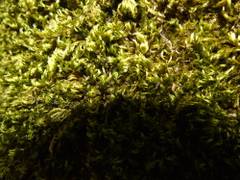
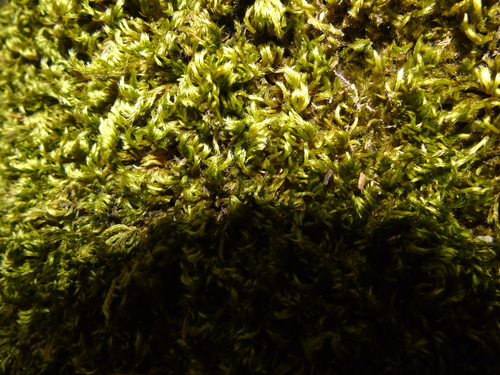
Homalothecium is a genus of pleurocarpous mosses in the family Brachytheciaceae, growing on rock, walls, tree bases, and calcareous soil mainly across the Northern Hemisphere. The plants form spreading, interwoven mats of creeping stems with upright or curving branches, the whole patch 0.4-2 inches (1-5 cm) deep, in shades of yellow-green to golden-green that gleam silkily when dry. The leaves are narrowly triangular, pleated with lengthwise folds, and taper to a narrow point, overlapping along the branches to give a neat, plaited look. When dry, the branch tips often curl. Several species, such as H. sericeum, cling tightly to limestone walls and tree trunks, while H. lutescens grows in calcareous grassland and dunes. The spore capsules are cylindrical and held upright to slightly inclined on reddish stalks, ripening in winter and spring. Homalothecium favours base-rich, well-lit, often dry-surfaced habitats and tolerates periods of drought by drying to a duller tone and reviving when wetted. The silky sheen of the dry mats gives the name silk-moss to some species.
Native Range
Homalothecium is widespread in the Northern Hemisphere across Europe, Asia, North Africa, and North America, with some species elsewhere. It grows on limestone rock and walls, tree bases, and calcareous grassland and dunes, favouring base-rich, well-lit sites.Suggested Uses
Homalothecium species are grown in moss gardens and on green walls and stonework for golden, silky cover, and they colonise old walls, roofs, and gravestones. The genus indicates base-rich, often calcareous habitats. Silky feather-mosses are used in bryophyte study and in naturalistic planting on masonry.How to Identify
Appearance
Colors
Foliage Colors
Bloom Information
Mosses do not flower. Homalothecium reproduces by spores from cylindrical capsules borne on reddish stalks, ripening mainly in winter and early spring. It also spreads vegetatively by stem fragments, and many patches enlarge chiefly by creeping growth.
Growing Conditions
Sun Requirements
• Full Sun: 6+ hours of direct sunlight
• Partial Shade: 3-6 hours of direct sunlight
• Full Shade: Less than 3 hours of direct sunlight
Water & Climate
Water Needs