Hippocrepis, Genus, spp., Multiple species,
- Genus
- Multiple species
horseshoe vetch
Europe, the Mediterranean, and western Asia
Overview
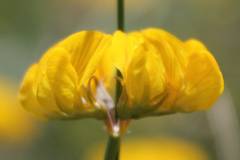
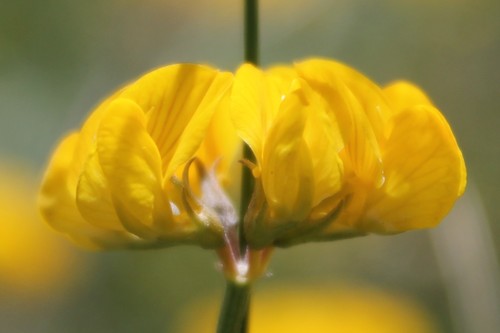
Hippocrepis is a genus of around 30 species of yellow-flowered legumes in the pea family, Fabaceae, native to Europe, the Mediterranean, and western Asia. The genus spans low, mat-forming perennials, sprawling annuals, and upright shrubs, so size ranges from a few inches to about 4 feet (10-120 cm). The leaves are pinnate, with several pairs of small leaflets, and the pea-type flowers are carried in long-stalked clusters of bright yellow. Seed pods are constricted between the seeds into curved, horseshoe-shaped segments, the feature behind the name horseshoe vetch. H. comosa forms low mats on chalk and limestone grassland and is a larval food plant for chalkhill and Adonis blue butterflies. The shrubby H. emerus, once placed in Coronilla, grows taller with paired yellow flowers and long, jointed pods whose seeds are purgative. As legumes, the plants fix nitrogen and grow on lean soils.
Native Range
Native to Europe, the Mediterranean region, western Asia, and North Africa, on dry grassland, chalk and limestone slopes, scrub, and open rocky ground. H. comosa is closely tied to calcareous turf, while shrubby species grow in Mediterranean woodland and scrub.Suggested Uses
Used in rock gardens, dry banks, chalk grassland, and wildflower plantings, with mat-formers set 8-16 inches (20-40 cm) apart. The flowers support bees, and the foliage feeds the caterpillars of blue butterflies. Nitrogen fixation makes the plants useful on poor, free-draining soils.How to Identify
Appearance
Size & Dimensions
Height4" - 4'
Width/Spread8" - 3'
Bloom Information
Detailed Descriptions
Foliage Description
greenGrowing Conditions
Sun Requirements
Requires 6-12 hours of direct sunlight daily
• Full Sun: 6+ hours of direct sunlight
• Partial Shade: 3-6 hours of direct sunlight
• Full Shade: Less than 3 hours of direct sunlight