Hippeastrum, Genus, spp., Multiple species,
- Genus
- Multiple species
amaryllis
Overview
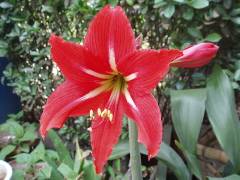
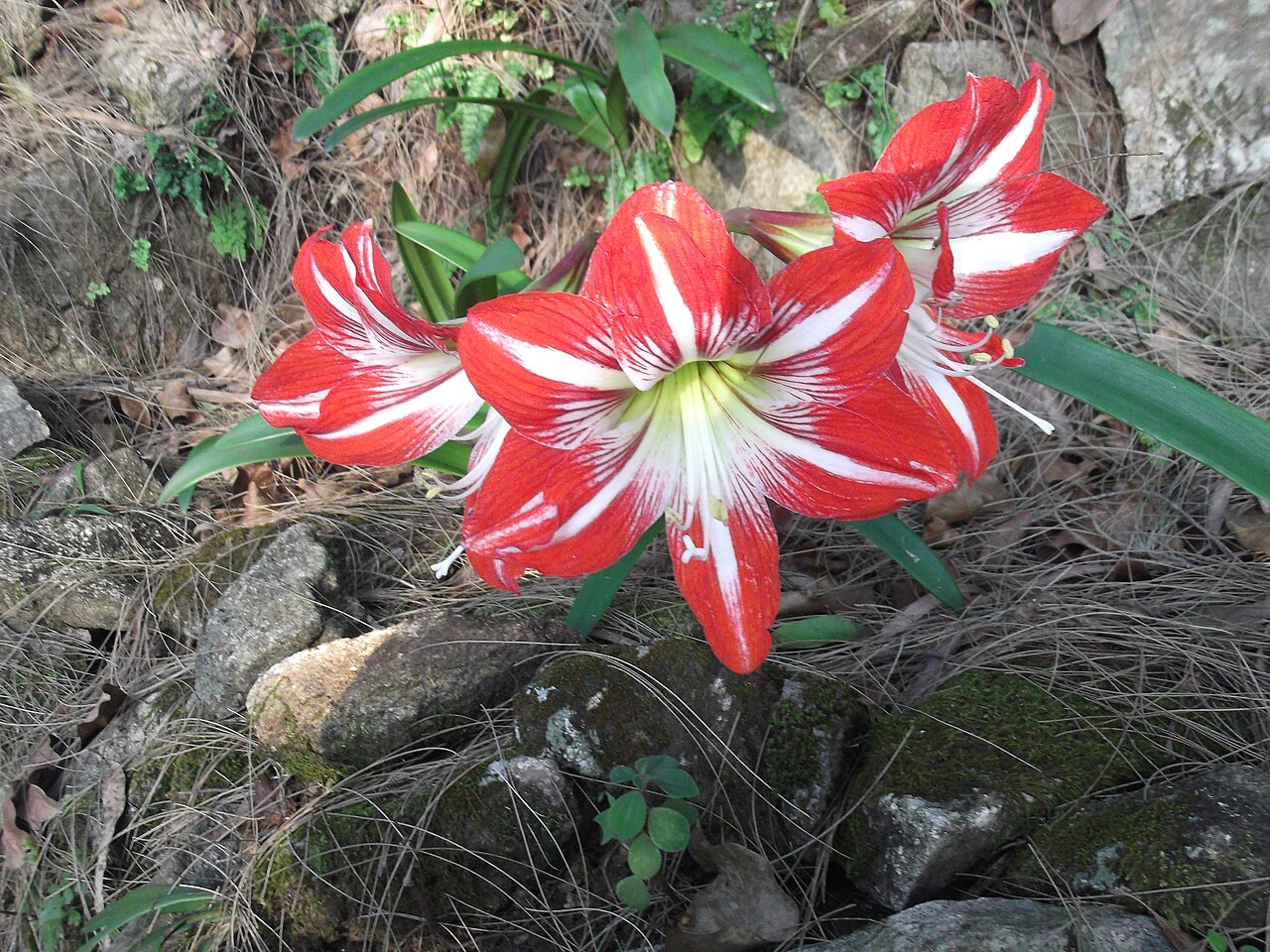
Hippeastrum (commonly sold as 'amaryllis') is a bulbous plant growing 18–24 inches (45–60 cm) tall. Large trumpet-shaped flowers 6–8 inches (15–20 cm) in clusters of 2–4 on a hollow stalk (scape) 18–24 inches (45–60 cm), in red, white, pink, orange, striped, or double forms depending on the cultivar. The common name 'amaryllis' is a misnomer — the genus Hippeastrum (South American, 90+ species) is distinct from true Amaryllis (A. belladonna, South African, 2 species). The confusion dates to early botanical classification. Grows from a large bulb 2–3 inches (5–7 cm) in diameter, planted with the top third exposed above the soil surface. Widely sold as a holiday gift bulb: potting in October–November produces flowers 6–8 weeks later (December–January). To rebloom the following year, maintain the foliage in bright light through summer (the strap-shaped leaves 12–18 inches / 30–45 cm replenish the bulb), then induce a dormancy period of 8–10 weeks in a cool dark location (50–55°F / 10–13°C) with no water starting in September. All parts contain the alkaloid lycorine — toxic to dogs and cats, causing gastrointestinal symptoms. Deer-resistant. Full sun to partial shade during the foliage growth phase. Well-draining soil. Zones 8–11 outdoors. Narcissus bulb fly larvae bore into the bulb. Growth rate is fast from bulb. Containers of 1–2 gallons (4–8 liters).
Native Range
The Hippeastrum genus (90+ species) is native to Central and South America, primarily Brazil and the Andes. True Amaryllis is a separate South African genus.Suggested Uses
Grown in containers of 1–2 gallons (4–8 liters) as a forced winter-blooming bulb. Outdoors in zones 8–11. The holiday gift bulb market is the primary retail channel. Reblooms annually with summer growth + fall dormancy. Toxic (lycorine). Deer-resistant.How to Identify
Appearance
Size & Dimensions
Height1'6" - 2'
Width/Spread1' - 1'6"
Bloom Information
Detailed Descriptions
Flower Description
Variable: red, white, pink, orange, striped, double; depending on cultivarFoliage Description
Medium green, strap-shapedGrowing Conditions
Sun Requirements
Requires 4-8 hours of direct sunlight daily
• Full Sun: 6+ hours of direct sunlight
• Partial Shade: 3-6 hours of direct sunlight
• Full Shade: Less than 3 hours of direct sunlight
Care & Maintenance
Care Guide
Full sun to partial shade during foliage growth. Plant with top third of bulb exposed. Force indoors: pot in October–November for winter bloom. Rebloom cycle: bright light through summer, then 8–10 weeks cool dark dormancy (50–55°F / 10–13°C, no water) starting September. Toxic (lycorine). Deer-resistant. Zones 8–11 outdoors.Pruning
Remove spent flower stalks at the base after all flowers finish. Leave the strap-shaped foliage to grow through summer (replenishes the bulb). Cut foliage only after it yellows naturally in fall before inducing dormancy.Pruning Schedule
Prune: September–October
fall
Container Growing
Suitable for container growing
Minimum container size: 1 gallons