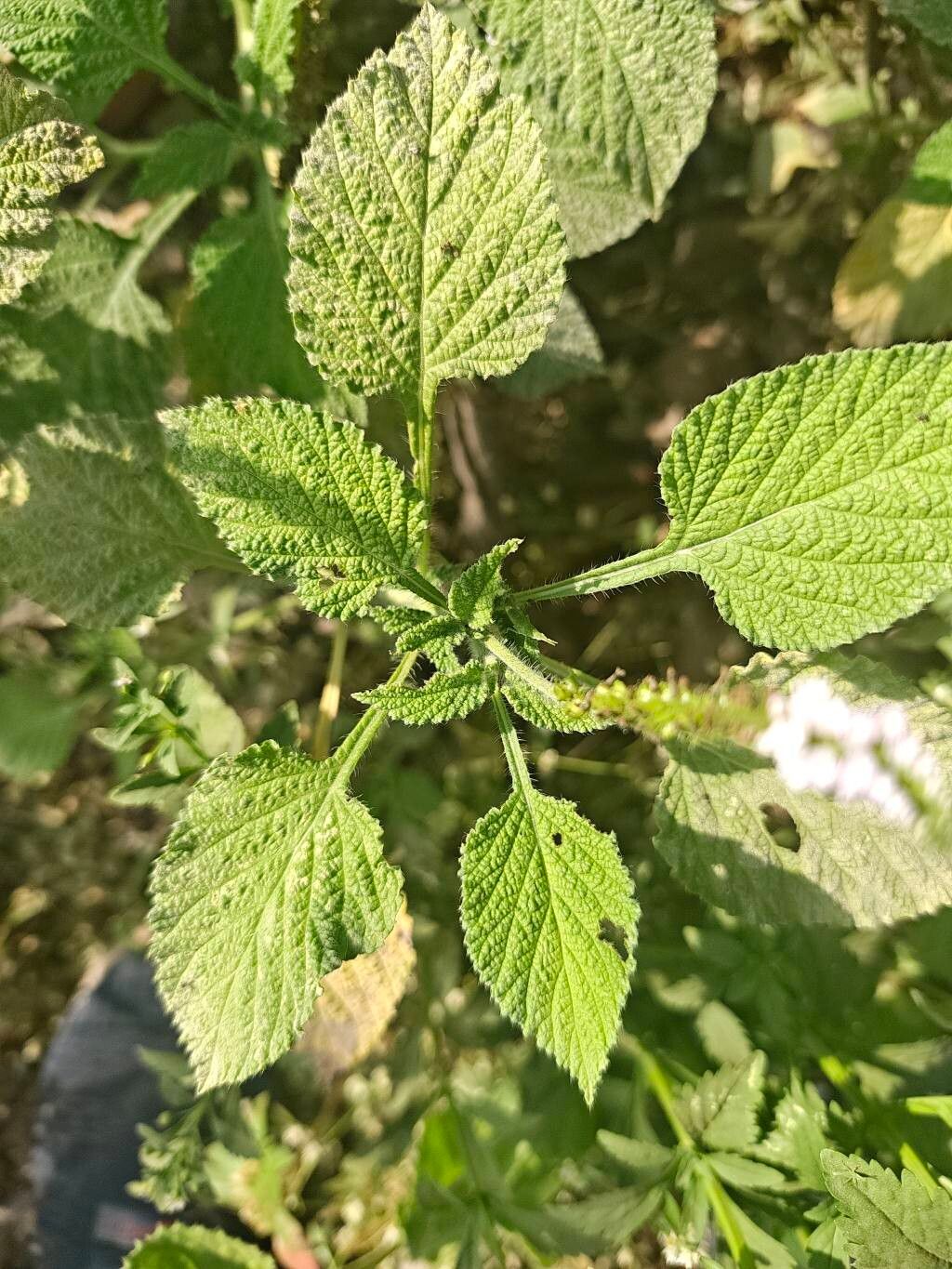
Heliotropium, Genus, spp., Multiple species,
- Genus
- Multiple species
heliotropes
Worldwide in warm-temperate and tropical regions
Overview
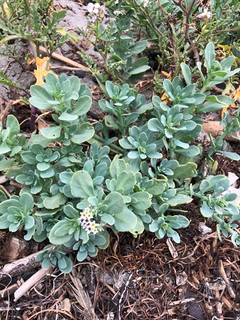
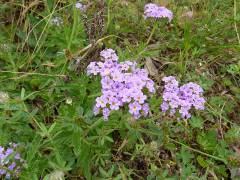
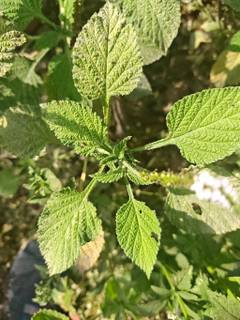
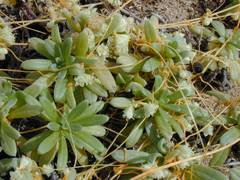
Heliotropium is a genus of about 325 species in the borage family (Boraginaceae), known as heliotropes and spread through warm-temperate and tropical regions worldwide. The genus holds annuals, perennials, and soft-wooded subshrubs, most with hairy, often wrinkled leaves. The small five-lobed flowers are packed along one side of curved, coiling stalks that uncurl as the buds open, a form called a scorpioid cyme typical of the family. Flower color runs from violet and deep blue to white, and the cultivated H. arborescens, garden heliotrope from Peru, carries a strong sweet scent often likened to vanilla or cherry pie. Plants range from 6 in to 6 ft (15 cm to 1.8 m) tall depending on species and climate. Many heliotropes, including the weedy H. europaeum, contain pyrrolizidine alkaloids that are toxic to the liver of livestock, pets, and people if eaten. The genus is frost-tender and is grown as a summer annual or container plant outside warm climates. Bloom carries from early summer until frost and draws bees and butterflies, though plants wilt quickly in drought and resprout slowly after a setback.
Native Range
The genus is nearly worldwide in warm regions. Species are native across the Americas, Africa, Asia, Australia, and the Mediterranean, with the ornamental H. arborescens originating in Peru.Suggested Uses
Used in summer bedding, containers, and window boxes, and near seating and paths where the fragrance of garden heliotrope can be caught. Standards trained on a single stem feature in formal pots. In frost-free climates the shrubby species fill mixed borders.How to Identify
Appearance
Size & Dimensions
Height6" - 6'
Width/Spread1' - 2'
Bloom Information
In warm climates many species flower for much of the year, while as a summer annual the garden heliotrope blooms from early summer until frost. Each coiled cyme opens its flowers in sequence over several weeks. Removing faded heads keeps new ones coming.
Detailed Descriptions
Flower Description
violet, blue, and whiteFoliage Description
greenGrowing Conditions
Sun Requirements
Requires 6-10 hours of direct sunlight daily
• Full Sun: 6+ hours of direct sunlight
• Partial Shade: 3-6 hours of direct sunlight
• Full Shade: Less than 3 hours of direct sunlight
Care & Maintenance
Care Guide
Plants grow in full sun to light shade in fertile, well-drained, evenly moist soil and stall in cold, wet conditions. Warmth drives steady growth and bloom, and they need frost protection or are replaced each year in cold regions. Pinching young plants makes a bushier, more floriferous shape. A light, regular feed sustains container plants, which dry out fast. Whitefly, aphids, and spider mites are common under glass. The sap and foliage can irritate skin, and all parts are harmful if eaten.Pruning
Pinching the shoot tips of young plants builds a fuller, branching habit. Spent flower clusters are removed to extend bloom. Shrubby types are cut back by a third in spring to renew growth and shape.Container Growing
Suitable for container growing
Minimum container size: 2 gallons