Heliopsis, Genus, helianthoides, Species, var., Variety, scabra, Variety, 'Summer Sun', Cultivar,
- Genus & species
- Variety
- Cultivar
summer sun false sunflower
Variety scabra of Heliopsis helianthoides native to eastern and central North America from Quebec and Ontario south to Georgia and west to Texas and the Great Plains; 'Summer Sun' (Sommersonne) cultivar is a German garden selection introduced in the mid-20th century
Overview
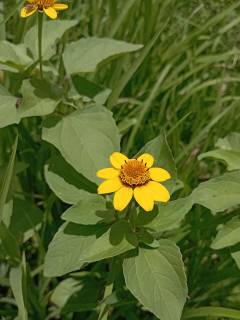
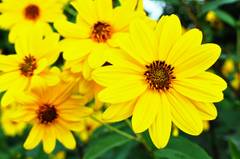
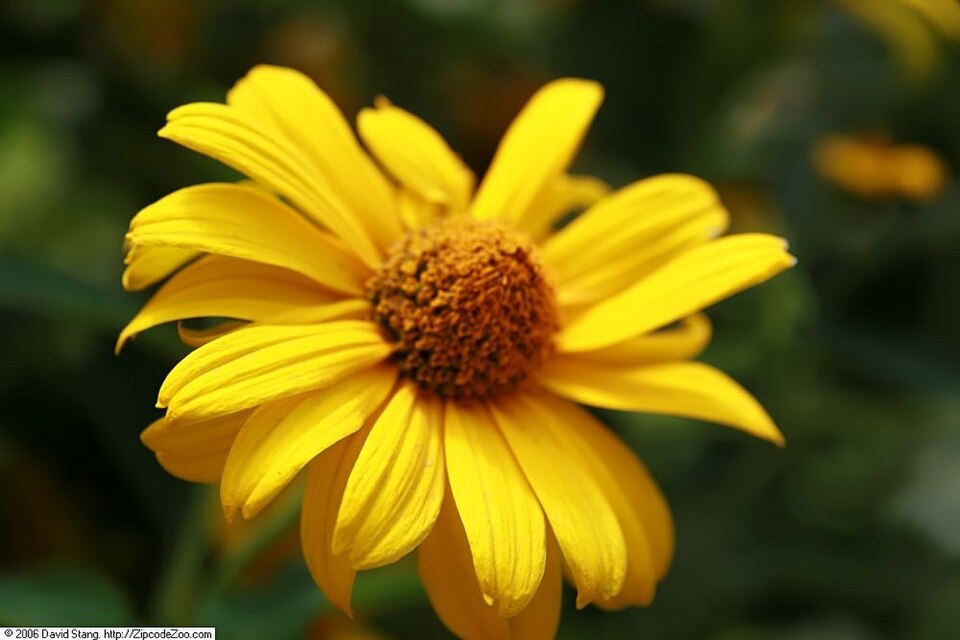
Heliopsis helianthoides var. scabra 'Summer Sun' (German: 'Sommersonne') is a tall false sunflower selection in the daisy family (Asteraceae) reaching 36–48 inches (90–120 cm) tall and 24–36 inches (60–90 cm) wide. Semi-double golden-yellow daisy flowers 3–4 inches (8–10 cm) across appear from July through September across an 8+ week bloom season — the long bloom window separates the cultivar from many other Asteraceae perennials that finish in 4–6 weeks. The variety scabra translates as 'rough', referring to the sandpaper-like texture of the leaves and stems — rougher than the type variety. 'Summer Sun' was introduced in Germany in the mid-20th century and has been grown commercially in North American and European garden seed catalogs across the decades since, valued for consistent performance, heavy flowering, and the long bloom window. The semi-double flowers carry more visual substance than singles, with a central boss of raised golden disc florets surrounded by broad ray petals. The tall stature may benefit from pinching in early June (cut by one-third) for shorter bushier growth, or from a grow-through support grid placed early in the season before the stems exceed 12 inches tall. The species runs reliably through hot humid summer conditions, tolerating clay, drought, and heat that stress more delicate perennials. Cut flowers last 7–10 days in vase arrangements. Deer may browse the foliage. Not known to be toxic to pets or humans.
Native Range
The variety scabra of Heliopsis helianthoides is native to eastern and central North America, ranging from Quebec and Ontario south to Georgia and west to Texas and the Great Plains. The 'Summer Sun' cultivar (German 'Sommersonne') is a German garden selection introduced in the mid-20th century and is grown commercially across temperate North America and Europe.Suggested Uses
Used in mid-to-back border positions, cottage gardens, cutting gardens, and prairie-style plantings for the long mid-summer-through-fall golden-yellow display. Long-lasting cut flowers (7–10 days in vase water). Pairs with blue salvia (Salvia 'May Night', S. nemorosa), purple coneflowers (Echinacea purpurea), and ornamental grasses (Panicum virgatum, Schizachyrium scoparium) in cottage and prairie compositions where the warm yellow contrasts with cool blues and purples. Suits use in groups of 3–5 for a concentrated golden display that holds visual weight against the surrounding garden composition. Cool-summer regions and warm-summer continental climates both produce reliable performance — the species runs adaptable across a wide hardiness range.How to Identify
Appearance
Size & Dimensions
Height3' - 4'
Width/Spread2' - 3'
Bloom Information
Flowering from July through September across approximately 8 weeks. Semi-double golden-yellow flowers carry a central boss of raised golden disc florets — more visual substance than single-flowered cultivars. Deadheading spent flowers extends the bloom window into early October in mild autumn conditions. Long-lasting in cut arrangements at 7–10 days in vase water. Plants run as a key mid-summer-through-fall flower for cottage and prairie-style plantings.
Detailed Descriptions
Flower Description
Golden-yellow; semi-double daisy-like 3-4 inches across with raised golden disc centerFoliage Description
Dark green; ovate coarsely toothed rough-textured (the scabra character)Growing Conditions
Sun Requirements
Requires 6-12 hours of direct sunlight daily
• Full Sun: 6+ hours of direct sunlight
• Partial Shade: 3-6 hours of direct sunlight
• Full Shade: Less than 3 hours of direct sunlight
Care & Maintenance
Care Guide
Plant in full sun with at least 6 hours of direct light. Average well-drained soil suits the cultivar; clay, heat, and drought are tolerated. Pinch stems by one-third in early June for compact growth, or install a grow-through support grid early in the season before stems exceed 12 inches tall. Deadhead spent flowers across the bloom window for continuous production. Cut all stems to ground level in late fall after frost browns the foliage, or in early spring before new growth emerges. The species performs reliably in zones 3–9 — heat-tolerant, drought-tolerant, deer-resistant of average degree, and disease-resistant under reasonable garden conditions. No fertilization is needed in average garden soil; rich heavily-amended soil produces flopping growth that requires staking.Pruning
Pinch stems by one-third in early June for shorter growth. Deadhead spent flowers across the bloom window for continuous production. Cut all stems to ground level in late fall or early spring before new growth emerges.Pruning Schedule
Prune: March, June & November
summerfallspring