Image 1 of 5
1 / 5
Plant Reference
Helictotrichon, Genus, sempervirens, Species,
- Genus & species
blue oat grass
Western Mediterranean — southern France, northern Italy, and the Atlas Mountains of northwestern Africa; dry rocky slopes and open grasslands
Overview
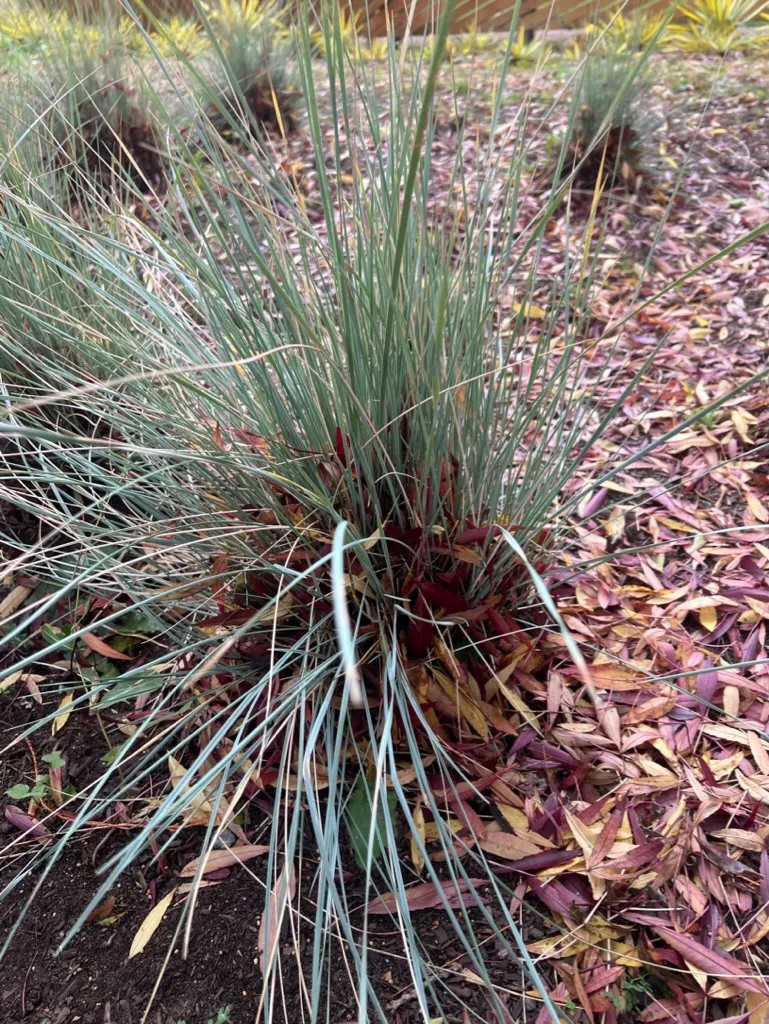
Helictotrichon sempervirens is blue oat grass (blue wheatgrass), a mounding evergreen grass growing 24-30 inches (60-76 cm) tall and 24-30 inches (60-76 cm) wide. Tan to straw-colored oat-like panicles on wiry stems 12-18 inches (30-45 cm) above the foliage in May-July (5 weeks). Blue-gray narrow stiff leaves 12-18 inches (30-45 cm) with a heavy waxy bloom in a dense symmetrical tussock. In Poaceae. Sempervirens = evergreen. Native to the western Mediterranean. The blue color is most vivid in full sun and cool weather — fades to gray-green in heat and humidity. Susceptible to crown rust (Puccinia) in humid climates — orange pustules on leaves. This rust susceptibility in humid summer regions is the primary limitation. Sharp drainage and good air circulation reduce rust. Drought-tolerant once established. Deer-resistant. Non-toxic. Zones 4-9. Full sun. Growth rate is moderate.
Native Range
Native to the western Mediterranean — southern France, northern Italy, and the Atlas Mountains of northwestern Africa. Found on dry rocky slopes and open grasslands.Suggested Uses
Grown in gravel gardens, Mediterranean borders, rock gardens, and in containers of at least 5 gallons (19 L), spaced 24-30 inches (60-76 cm). Blue-gray foliage. Drought-tolerant. Non-toxic. Zones 4-9.How to Identify
Appearance
Size & Dimensions
Height2' - 2'6"
Width/Spread2' - 2'6"
Bloom Information
Detailed Descriptions
Flower Description
Tan to straw-colored, in open one-sided oat-like panicles on wiry stems rising 12-18 inches (30-45 cm) above the foliage (total height with flower stems: 36-48 inches / 90-120 cm); May-JulyFoliage Description
Blue-gray with a heavy waxy bloom on both surfaces, narrow, stiff, 12-18 inches (30-45 cm), in a dense symmetrical tussock; evergreen — the blue color is most vivid in full sun and cool weather; fades to gray-green in heat and humidityGrowing Conditions
Sun Requirements
Requires 6-10 hours of direct sunlight daily
• Full Sun: 6+ hours of direct sunlight
• Partial Shade: 3-6 hours of direct sunlight
• Full Shade: Less than 3 hours of direct sunlight
Care & Maintenance
Care Guide
Full sun (6-10 hours). Well-drained sandy, chalky, or rocky soil pH 6.0-8.0. Drought-tolerant once established. Comb out dead foliage in early spring (February-March). Susceptible to crown rust in humid climates — sharp drainage and air circulation reduce incidence. Deer-resistant. Non-toxic. Zones 4-9.Pruning
Comb out dead foliage with gloved hands or a rake in early spring (February-March). Do not shear to the ground (evergreen — damages the crown). Remove dried flower stems when tattered.Pruning Schedule
Prune: February–March
early spring
Container Growing
Suitable for container growing
Minimum container size: 5 gallons