Helichrysum, Genus, leucopsideum, Species,
- Genus & species
satin everlasting
Overview
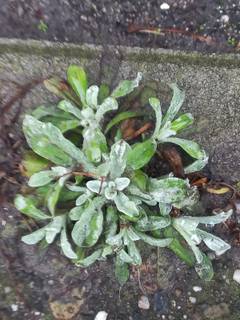
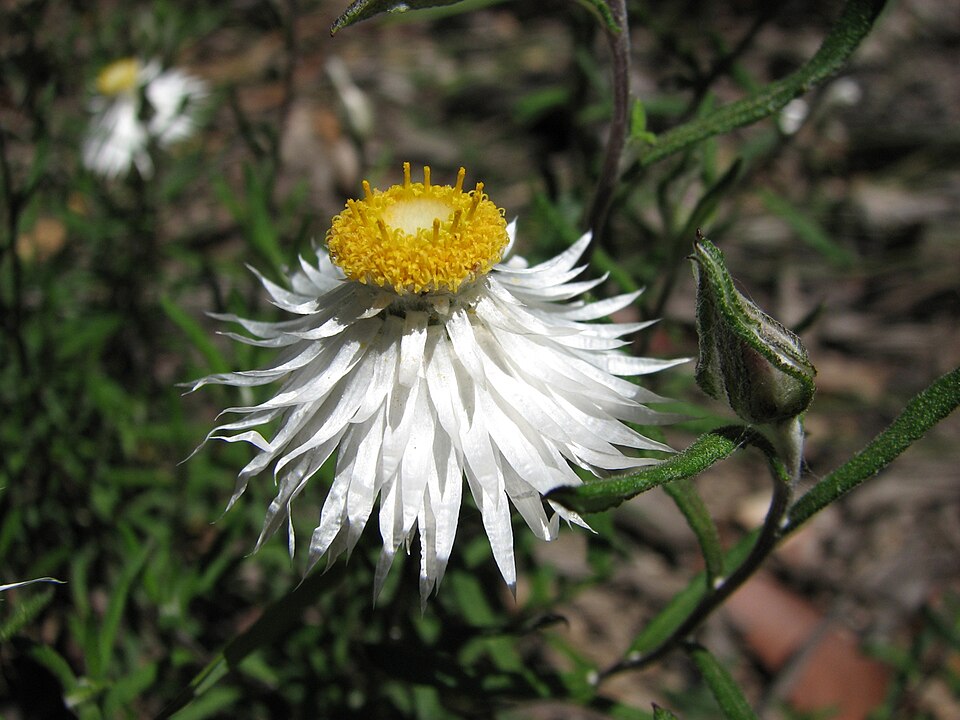
Helichrysum leucopsideum is an evergreen perennial herb or small subshrub forming erect, woolly grey-green stems 8-24 inches (20-60 cm) tall from a woody base. The narrow leaves are 0.4-2 inches (1-5 cm) long, grey-green, and covered in soft white hairs, with margins rolled under. Flower heads 0.8-1.4 inches (2-3.5 cm) across are carried singly or in small clusters at the stem tips, each ringed by stiff, papery white bracts around a central disc of yellow florets. The papery bracts hold their shape and color as they dry, giving the everlasting effect. Flowering occurs in spring and summer. Plants spread slowly from the woody base and self-seed in open ground. They are short-lived, often declining after 4-6 years, and become woody and open with age.
Native Range
Native to southeastern Australia, in New South Wales, Victoria, Tasmania, and South Australia. Grows in dry sclerophyll forest, woodland, and heath on well-drained sandy or gravelly soils at low to moderate elevations.Suggested Uses
Grown in native, rockery, and low-water gardens, spaced 12-18 inches (30-45 cm) apart. Flower heads attract native bees and other insects and are cut for fresh and dried arrangements. The short lifespan limits its use as a permanent structural plant.How to Identify
Appearance
Size & Dimensions
Height8" - 2'
Width/Spread8" - 1'6"
Colors
Bloom Information
Detailed Descriptions
Flower Description
white with yellow centerFoliage Description
grey-greenGrowing Conditions
Sun Requirements
Requires 6-10 hours of direct sunlight daily
• Full Sun: 6+ hours of direct sunlight
• Partial Shade: 3-6 hours of direct sunlight
• Full Shade: Less than 3 hours of direct sunlight
Care & Maintenance
Care Guide
Grows in full sun on free-draining sandy or gravelly soils. Water through the first season; established plants tolerate extended dry periods. Wet or poorly drained soil causes root and crown rot. Plants are short-lived, often declining after 4-6 years, and are usually replaced from seed or cuttings. Cutting back after flowering delays the open, woody habit of older plants.Pruning
Light pruning after flowering keeps the plant compact and delays woodiness. Spent flower stems can be cut for dried arrangements or removed to limit self-seeding. Hard pruning into old wood often fails to reshoot.Pruning Schedule
Prune: January–February
summer
Container Growing
Suitable for container growing
Minimum container size: 3 gallons