Gutierrezia, Genus, sarothrae, Species,
- Genus & species
broom snakeweed
Overview
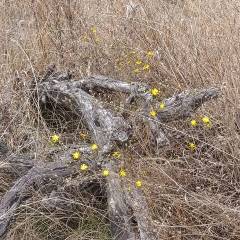
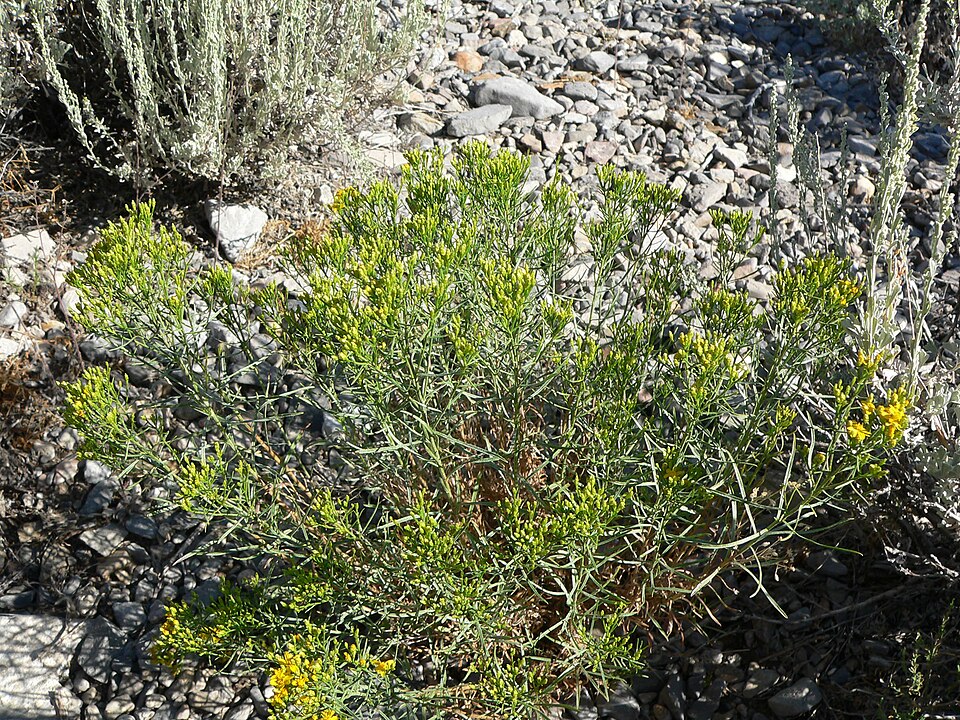
Gutierrezia sarothrae is a low, bushy subshrub of western North American rangelands, growing 8-24 inches (20-60 cm) tall from a woody base into a dense, rounded broom of many slender green stems. The narrow, linear leaves are 0.5-1.5 inches (1-4 cm) long and resinous, often dropping in drought. From late summer into fall the stem tips carry dense clusters of tiny yellow flower heads, each holding a few ray and disk florets, so the whole plant turns gold in bloom. G. sarothrae grows on dry plains, mesas, foothills, and overgrazed range across western Canada, the western United States, and northern Mexico. It tolerates heat, drought, alkaline soils, and poor ground in full sun. The plant increases on disturbed and overgrazed land, where it can crowd out forage grasses. Its foliage contains compounds toxic to cattle, sheep, and goats, which can cause illness and pregnancy loss when grazed heavily. It is hardy in USDA zones 4 through 9.
Native Range
Native to western North America, from the prairie provinces of Canada south through the western United States to northern Mexico. It grows on dry plains, mesas, foothills, rocky slopes, and overgrazed rangeland.Suggested Uses
Used in dry native, xeric, and restoration plantings on poor or disturbed western soils. It supports late-season pollinators and holds soil on dry slopes, though its range toxicity limits use near grazing livestock.How to Identify
Appearance
Size & Dimensions
Height8" - 2'
Width/Spread8" - 2'
Bloom Information
Clusters of small yellow flower heads open from late summer into fall, generally August through October. The bloom is a late-season nectar and pollen source for bees and other insects on dry range. Wind- and animal-carried seeds follow, and the dried stems persist through winter.
Detailed Descriptions
Foliage Description
GreenGrowing Conditions
Sun Requirements
Requires 6-10 hours of direct sunlight daily
• Full Sun: 6+ hours of direct sunlight
• Partial Shade: 3-6 hours of direct sunlight
• Full Shade: Less than 3 hours of direct sunlight
Care & Maintenance
Care Guide
Grow G. sarothrae in full sun and dry, well-drained soil; it tolerates sand, clay, rock, and alkaline ground with no added water once established. The plant withstands extreme drought and heat and needs no fertilizer. It self-sows and can spread on disturbed ground, so manage seedlings where it is not wanted. On grazing land its toxic foliage is a concern, since cattle, sheep, and goats can be poisoned by eating it. Cut old stems back in late winter to keep a tidy mound. It rarely needs irrigation or other care in suitable sites.Pruning
Cut the woody stems back by about half in late winter to maintain a compact shape and encourage fresh growth. Remove dead stems as they appear. No detailed pruning is otherwise needed.Pruning Schedule
Prune: February
winter