Gossypium, Genus, spp., Multiple species,
- Genus
- Multiple species
cottons
Pantropical (Americas, Africa, Arabia, Australia)
Overview
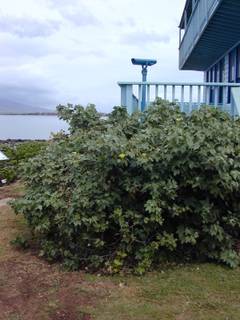
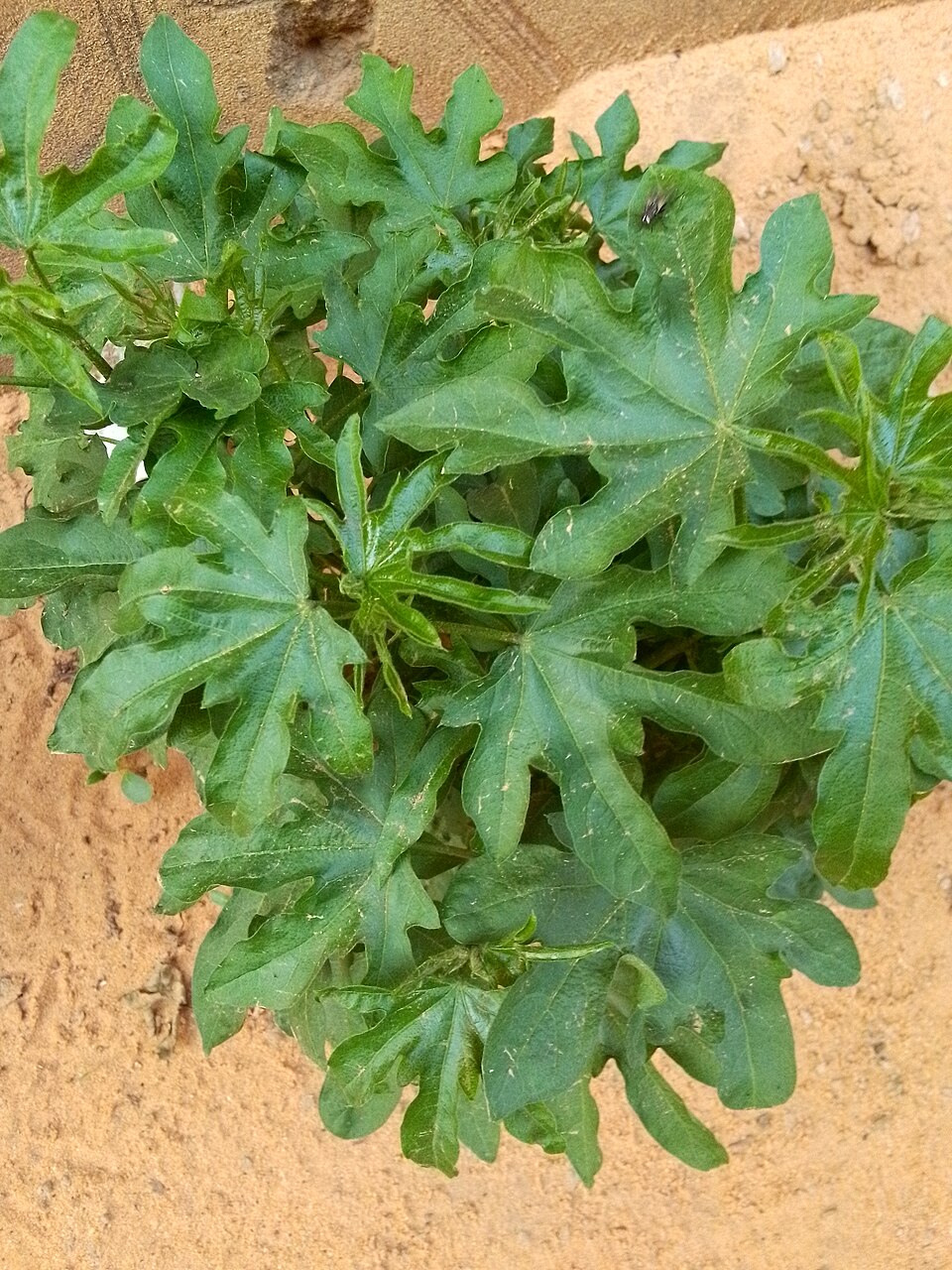
Gossypium is a genus of about 50 species in the mallow family, Malvaceae, distributed across the tropics and subtropics of the Americas, Africa, Arabia, and Australia. It includes the four domesticated cotton species grown worldwide for fiber, among them G. hirsutum and G. barbadense, alongside many wild shrubs and subshrubs. Most species are woody shrubs or subshrubs 3-6 feet (0.9-1.8 m) tall, though some reach small-tree size and cultivated cottons are often grown as annuals. The leaves are palmately lobed, usually with three to five lobes, and bear tiny dark glands that hold gossypol. Flowers are mallow-shaped, 1.5-3 inches (4-8 cm) across, in cream, yellow, or pink, commonly with a dark red or purple spot at the base of each petal, and often deepening to pink or red as they age. After pollination the flower gives way to a capsule, the boll, which splits open to expose seeds wrapped in the white to tan fibers that are spun into cotton. All parts contain gossypol, a compound toxic to humans and many animals when eaten in quantity.
Native Range
Tropical and subtropical regions worldwide, including Central and South America, Africa, the Arabian Peninsula, and Australia. The major cultivated species originated in the Americas and in Africa and Asia.Suggested Uses
Gossypium is grown primarily as an agricultural fiber and oilseed crop, and ornamentally in warm gardens and containers for its mallow flowers and split bolls. Dried bolls are used in floral craft. Wild species are held in botanical and breeding collections as genetic resources for cotton breeding.How to Identify
Appearance
Size & Dimensions
Height3' - 10'
Width/Spread2' - 5'
Bloom Information
Flowering occurs in the warm season, generally summer, beginning several weeks to a few months after planting in cultivated types. The flowers open cream to yellow and often turn pink or red over one to a few days before dropping. Bees are the main pollinators. Each pollinated flower develops into a boll that matures over roughly 7 to 9 weeks.
Detailed Descriptions
Flower Description
Cream, yellow, or pink, often with a dark red or purple basal spotFoliage Description
GreenGrowing Conditions
Sun Requirements
Requires 6-12 hours of direct sunlight daily
• Full Sun: 6+ hours of direct sunlight
• Partial Shade: 3-6 hours of direct sunlight
• Full Shade: Less than 3 hours of direct sunlight
Care & Maintenance
Care Guide
Gossypium needs full sun, warmth, and a long frost-free growing season, and most species grow in well-drained loam or sandy soils. Cultivated cottons are frost tender and are raised as warm-season annuals outside the tropics, while many wild species are perennial shrubs in frost-free climates. Plants are moderately drought tolerant once established but produce the heaviest bolls with steady moisture during flowering and boll development. Excess nitrogen pushes leafy growth at the expense of bolls. In humid conditions the genus is prone to fungal diseases and to pests such as boll weevil, aphids, and whitefly.Pruning
Field and garden cotton grown as an annual is not pruned. Perennial shrub species can be cut back in late winter to limit size and remove old wood, and pinching the growing tips of young plants produces a more branched habit.Container Growing
Suitable for container growing
Minimum container size: 5 gallons