Gonocarpus, Genus, spp., Multiple species,
- Genus
- Multiple species
raspwort
Overview
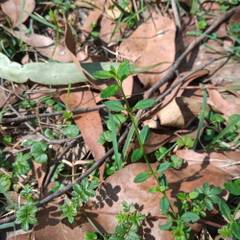
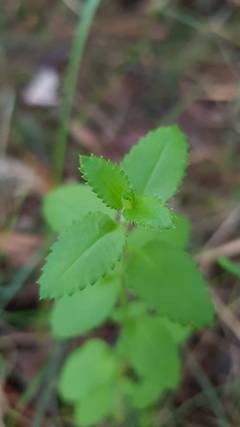
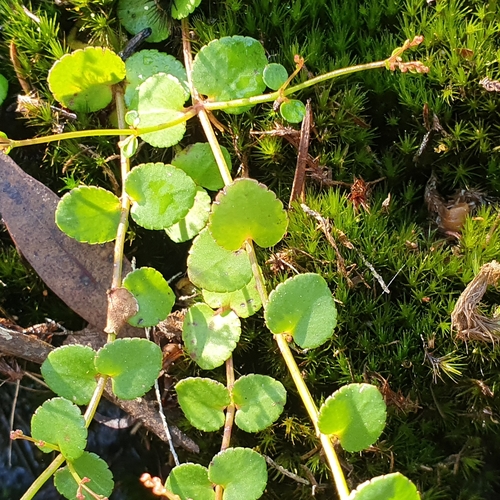
Gonocarpus is a genus of about 35 species of small annual and perennial herbs and subshrubs in the watermilfoil family (Haloragaceae), centred on Australia with a few species extending to New Zealand, New Guinea, and eastern Asia. Plants are slender and low, generally 4–24 in (10–60 cm) tall and spreading 4–12 in (10–30 cm) wide, with wiry four-angled stems that are often reddish. The small leaves, 0.1–0.6 in (3–15 mm) long, are opposite or in whorls, narrow to oval, and frequently toothed. Flowers are minute, about 0.04–0.08 in (1–2 mm) across, with four greenish to reddish petals carried in slender terminal spikes; they are wind- or insect-pollinated and visually inconspicuous. The fruit is a small, hard, ribbed or warty nutlet that gives the genus its name, from the Greek for angled fruit. Species occupy a wide range of habitats, from damp heath, swamp margins, and grassland to rocky hillsides and woodland, and several behave as colonising herbs of disturbed and seasonally wet ground. The genus has little horticultural history and is grown mainly in native, bog, and revegetation plantings rather than ornamental borders.
Native Range
Centred on Australia, where it occurs in every state, with a smaller number of species in New Zealand, New Guinea, the Pacific, and eastern Asia. Plants grow in heath, grassland, swamp margins, and open woodland.Suggested Uses
Used in native bog gardens, pond and dam margins, and revegetation of damp ground, where the low, spreading habit binds soil. The smaller perennial species can form a low groundcover in moist native plantings.How to Identify
Appearance
Size & Dimensions
Height4" - 2'
Width/Spread4" - 1'
Bloom Information
Flowering occurs mainly from spring to summer, around September to February in the native range, though the tiny greenish flowers are easily overlooked. Some perennial species flower sporadically through much of the year in mild, moist conditions. The ribbed nutlets follow and persist on the dry spikes.
Detailed Descriptions
Flower Description
Greenish to reddishFoliage Description
Green, often red-tingedGrowing Conditions
Sun Requirements
Requires 4-8 hours of direct sunlight daily
• Full Sun: 6+ hours of direct sunlight
• Partial Shade: 3-6 hours of direct sunlight
• Full Shade: Less than 3 hours of direct sunlight
Water & Climate
Water Needs
Care & Maintenance
Care Guide
Most species grow in full sun to part shade and in moist to seasonally wet soils, with several tolerating poorly drained and boggy ground. They adapt to a range of soils, from sand to clay loam, and to acidic and neutral conditions. Annual species complete their cycle in a single season and rely on self-sown seed, while perennials form low, spreading patches. Watering needs are moderate to high, as most species are intolerant of prolonged drought. Frost tolerance is generally good in the temperate and montane species. The genus needs little feeding and minimal upkeep once established.Pruning
No formal pruning is required. Perennial species can be trimmed or mown after flowering to keep patches dense and to remove old fruiting spikes. Annual species are left to set and drop seed.Pruning Schedule
summerfall
Container Growing
Suitable for container growing
Minimum container size: 2 gallons