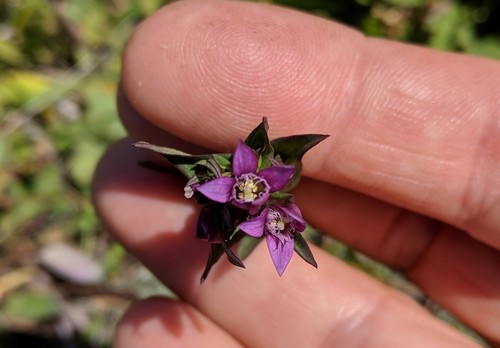
Gentianella, Genus, spp., Multiple species,
- Genus
- Multiple species
dwarf gentians
Temperate and alpine regions worldwide
Overview
Gentianella is a genus of about 250 small annual, biennial, and perennial herbs in the gentian family, Gentianaceae, found in cool temperate and alpine grasslands worldwide, with centers in the Andes, New Zealand, and Eurasia. The upright stems carry paired, narrow leaves and tubular to bell-shaped flowers in blue, violet, purple, white, or pink, many fringed with a ring of slender hairs in the throat. Most flower in late summer and autumn, opening flat only in sunshine. Plants stay low, from 2 to 16 inches (5-40 cm) tall. Many species are short-lived and depend on cool, moist, open ground. The brief life of many species and a need for cool, well-drained sites are the main limitations in cultivation.
Native Range
Native to cool temperate and alpine regions worldwide, including the Andes, New Zealand, Europe, Asia, and North America. Plants grow in mountain grassland, meadows, heath, and open, gritty slopes.Suggested Uses
Planted in rock gardens, alpine troughs, gravel gardens, and the front of cool borders. The smaller species are also massed in short turf, where they self-seed into grassland plantings.How to Identify
Appearance
Size & Dimensions
Height2" - 1'4"
Width/Spread2" - 8"
Bloom Information
Detailed Descriptions
Flower Description
blue, violet, purple, white, or pinkFoliage Description
green, sometimes purple-tingedGrowing Conditions
Sun Requirements
Requires 6-8 hours of direct sunlight daily
• Full Sun: 6+ hours of direct sunlight
• Partial Shade: 3-6 hours of direct sunlight
• Full Shade: Less than 3 hours of direct sunlight
Care & Maintenance
Care Guide
Gentianella grows in full sun in cool, moist but well-drained, gritty or sandy soil. Most species are hardy in alpine conditions to about USDA zone 3 (-40°F / -40°C) but resent heat, drought, and heavy wet ground. Many are annual or biennial and renew from self-sown seed rather than persisting. Little feeding is needed, as rich soil shortens their life. A cool root run and open exposure suit the genus.Pruning
Little pruning is needed beyond removing spent stems. Seed heads are left to ripen and self-sow for the next generation, then cleared. Annual and biennial species die after seeding.Container Growing
Suitable for container growing
Minimum container size: 1 gallons
