Gazania, Genus, rigens, Species,
- Genus & species
Treasure flower
Southern Africa (coastal South Africa to southern Mozambique)
Overview
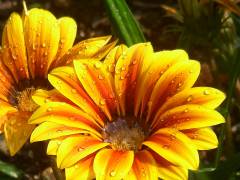
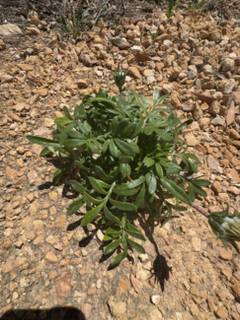
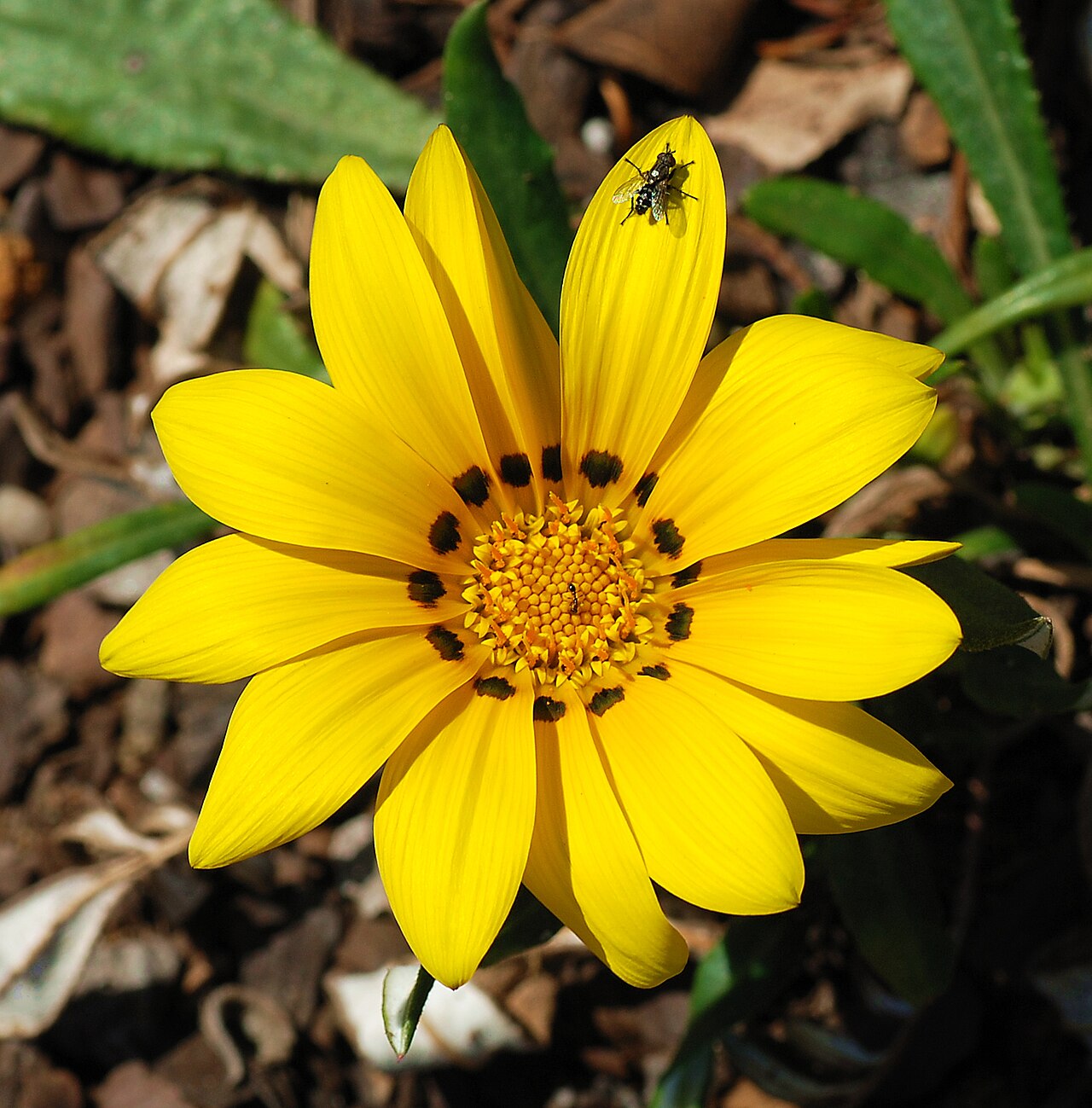
Gazania rigens is a low, mat-forming perennial in the daisy family (Asteraceae), growing 6–12 inches (15–30 cm) tall and spreading 12–18 inches (30–45 cm) wide from a woody base. Leaves are lanceolate to linear, 4–8 inches (10–20 cm) long, entire or pinnately lobed, dark green above and covered in white woolly hairs beneath, with margins that roll under. Solitary flower heads 2–4 inches (5–10 cm) across sit on stalks 4–8 inches (10–20 cm) tall, with 15–20 ray florets in orange, yellow, or bronze, often marked with a dark basal spot, around a yellow to orange center. Heads open in full sun and close at night and in cloudy weather. Flowering extends from spring to fall, and year-round in frost-free climates. Plants spread by trailing stems that root at the nodes and form mats 2–3 feet (60–90 cm) wide in 2–3 years. Damage occurs at 25°F (−4°C), and plants decline in wet, humid conditions and in shade. The species is naturalized and regarded as invasive in parts of Australia and coastal California.
Native Range
Gazania rigens is native to southern Africa, from coastal South Africa north to southern Mozambique. It grows on sandy coastal dunes, rocky slopes, and open grassland at elevations from sea level to 2,000 feet (600 m).Suggested Uses
Used as a ground cover on dry slopes, in rock gardens, borders, and containers, spaced 12–18 inches (30–45 cm) apart. Plants stabilize sandy soil in coastal sites. Flowers are visited by bees and butterflies and are not cut for arrangements because heads close after picking.How to Identify
Appearance
Size & Dimensions
Height6" - 1'
Width/Spread1' - 1'6"
Bloom Information
Flowers open from spring to fall, peaking in May–July, and continue year-round in frost-free climates of zones 10–11. Each head stays open 4–8 hours per day in direct sun and lasts 5–7 days. Heads close in shade, at night, and during overcast weather.
Detailed Descriptions
Flower Description
Orange, yellow, or bronze with dark basal spotsFoliage Description
Dark green above, white-woolly beneathGrowing Conditions
Sun Requirements
Requires 6-10 hours of direct sunlight daily
• Full Sun: 6+ hours of direct sunlight
• Partial Shade: 3-6 hours of direct sunlight
• Full Shade: Less than 3 hours of direct sunlight
Care & Maintenance
Care Guide
Grows in full sun in well-drained, sandy or gravelly soil with a pH of 5.5–7.5. Hardy in USDA zones 8–10, with frost damage at 25°F (−4°C), and plants are grown as annuals in colder zones. Established plants tolerate drought and coastal wind, and they receive about 0.5 inch (13 mm) of water per week. Heavy, wet soil causes crown rot and root rot, and shade reduces flowering. Clumps are divided every 2–3 years in spring. Aphids, snails, and gray mold affect plants in humid weather.Pruning
Spent flower heads are cut at the base of the stalk to extend bloom from spring to fall. Tired or straggly stems are cut back by one-third in late summer. Plants in mild climates are shaped in early spring before new growth.Pruning Schedule
Prune: March & August
summerearly spring
Container Growing
Suitable for container growing
Minimum container size: 1 gallons